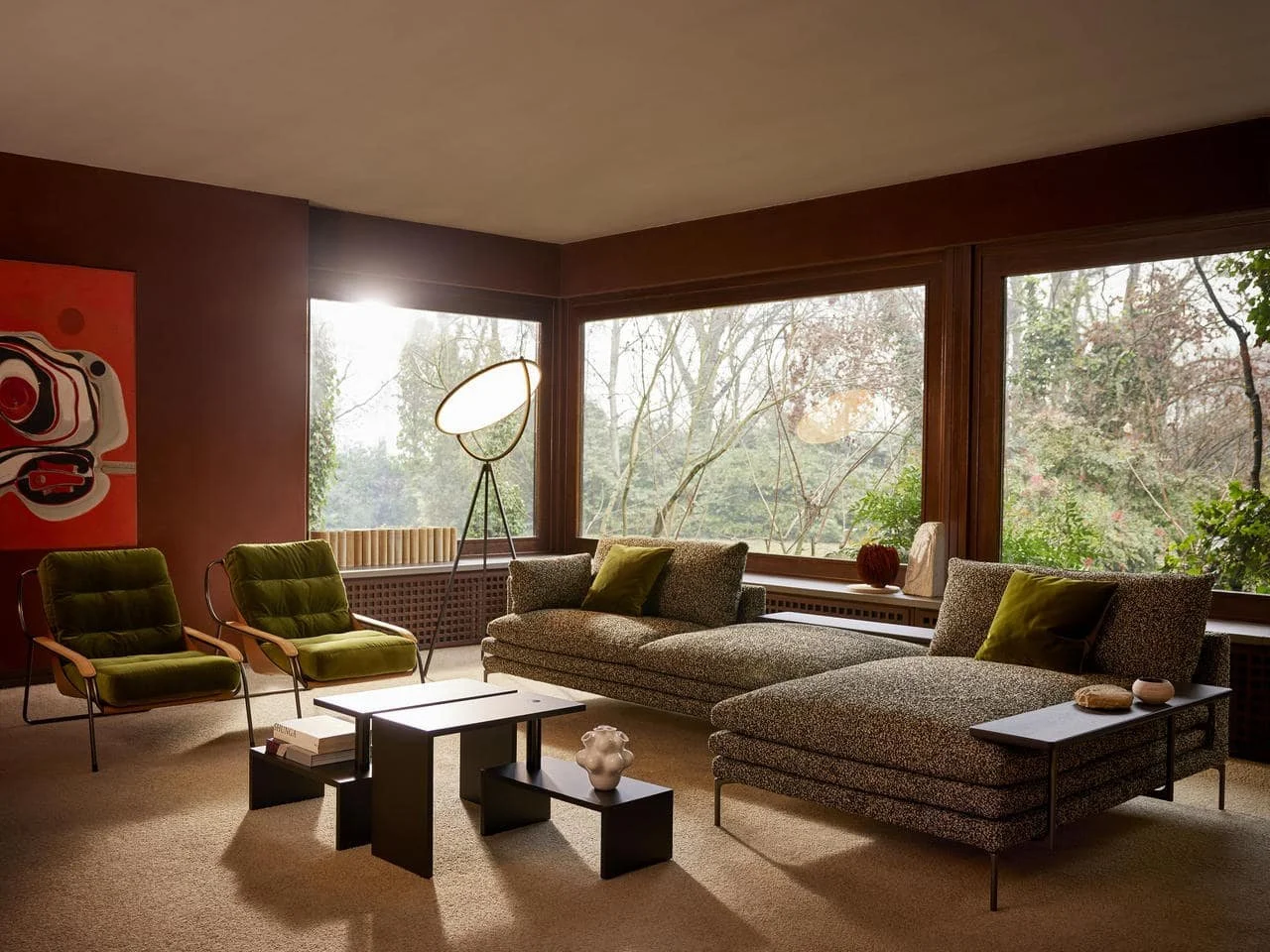
ZANOTTA – THE BOLDER SIDE OF ITALIAN DESIGN
Zanotta was founded in 1954, when Aurelio Zanotta established a furniture brand bearing his own name in Italy. Initially focused on sofas and armchairs, the company soon became one of the most influential and distinctive names in modern Italian design.
Zanotta’s work is not defined by a single style, but rather by a boldness to experiment. The collection brings together modernist clarity, sculptural forms, playful pop design, and the ideas of Italy’s radical design movement. Some pieces are understated and architectural, while others are colorful, humorous, or provocative, but at the heart of every product lies a strong concept and a clearly recognizable character. For the brand, furniture is not merely a functional element of interior design, but an expression of culture and evolving lifestyles. Familiar types of furniture are often reinterpreted in unexpected ways: a tractor seat becomes a design icon, a bundle of wooden rods unfolds into a sculptural coat rack, and a regular grid transforms a table into an almost surreal architectural object. Zanotta furniture is designed for everyday use, yet it often possesses the presence of a work of art.
Alongside innovation, comfort, quality, and durability are equally important. Innovative designs and carefully selected materials make these pieces practical and long-lasting. Many Zanotta sofas, armchairs, and beds feature removable covers that can be cleaned or replaced over time. This allows you to refresh the look of your furniture without replacing the entire piece, supporting a more practical and environmentally conscious approach to interior design.
The brand’s development coincided with a period when Italian design was actively seeking new materials, production methods, and forms of expression. Aurelio Zanotta realized early on that industrial production and a designer’s creative freedom could complement one another. He began collaborating with architects and designers whose ideas did not stick to safe solutions but instead challenged existing notions of the form, function, and use of furniture.
In the 1960s, Zanotta rose to prominence on the international design scene thanks to products that combined technological innovations with a bold design language. The brand experimented with plastic, polyurethane, glass, steel, and aluminum, and developed new ways to combine different materials. Zanotta was also one of the early adopters of removable furniture covers, making it easier to care for upholstered furniture and extending its lifespan.

LEGENDARY PRODUCTS FROM THE PEN OF LEGENDS
-
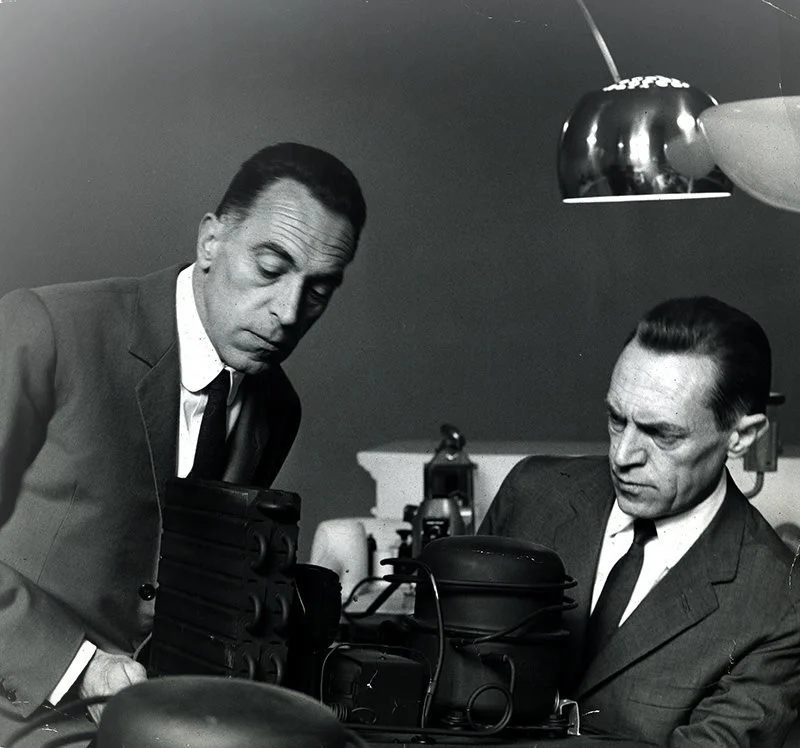
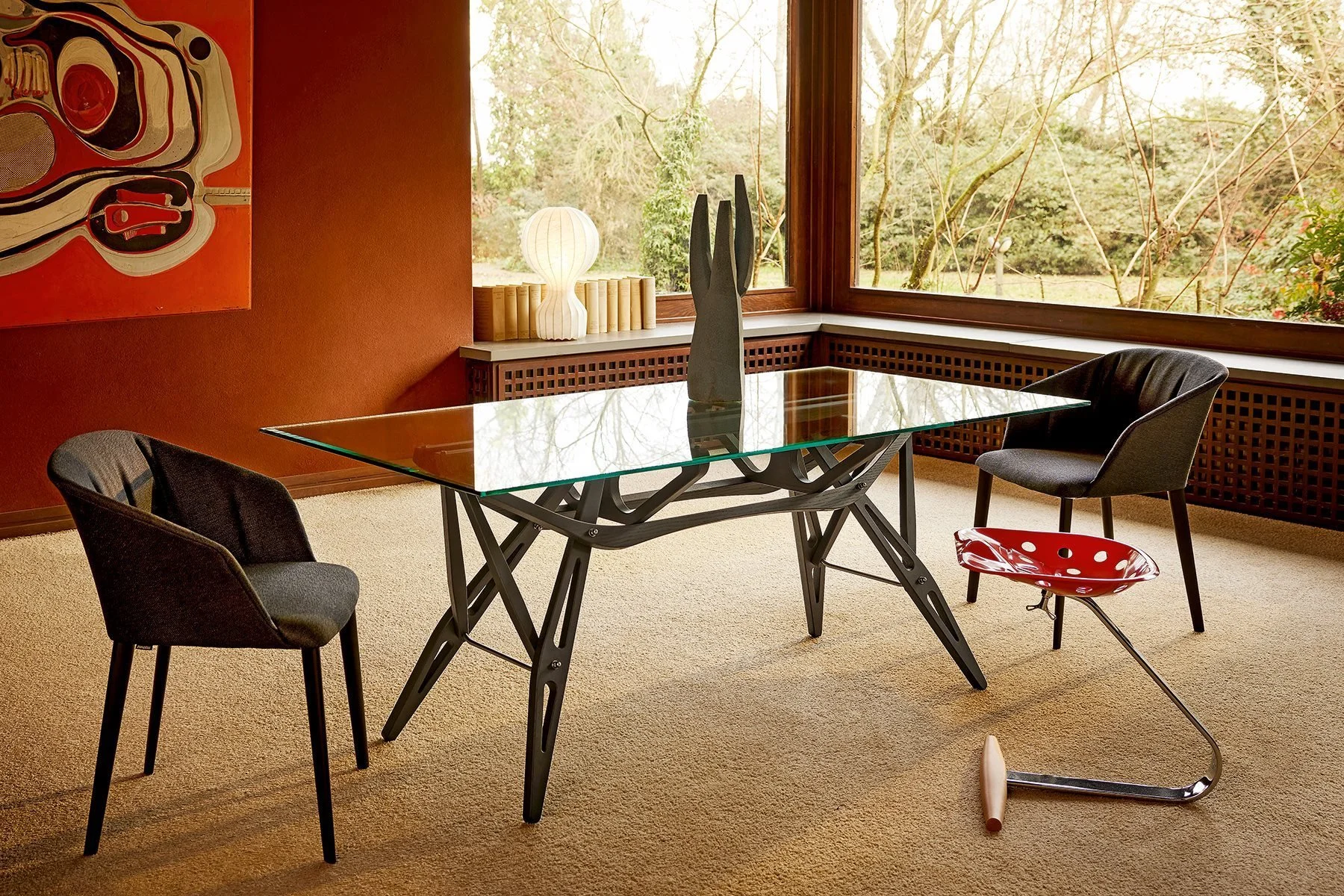
Equally innovative was Zanotta’s collaboration with Achille and Pier Giacomo Castiglioni, giants of Italian design, whose work is characterized by keen observation, ingenuity, and subtle humor. Created for Zanotta, Mezzadro (pictured here with Carlo Mollino Reale table) combines a tractor seat, a steel leaf spring, and a wooden support into an unexpected, provocative, yet fully functional seat, giving an existing industrial component an entirely new meaning. The pieces in the Servo collection embody the same ability to transform simple, everyday objects into intelligent design: Servomuto, Servofumo, Servopluvio. Also Allunaggio and Sella surprising chairs. Achille Castiglioni’s Basello , however, is a clever, transformable side table whose two surfaces open up and move to adapt to the space and the user’s needs.
-
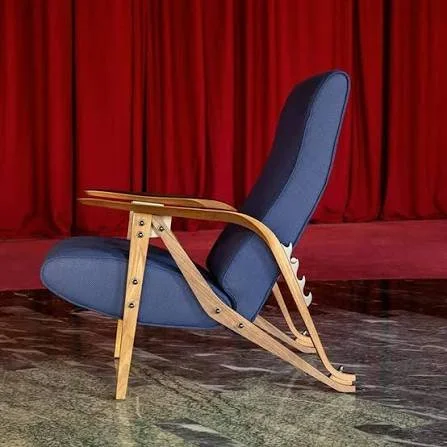
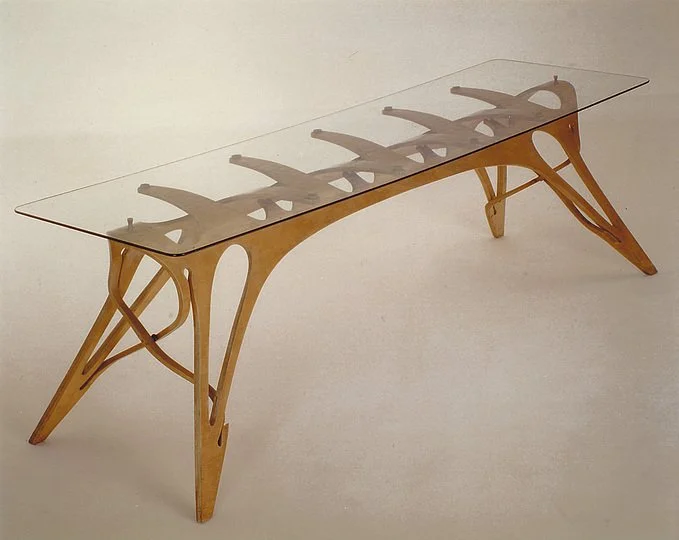
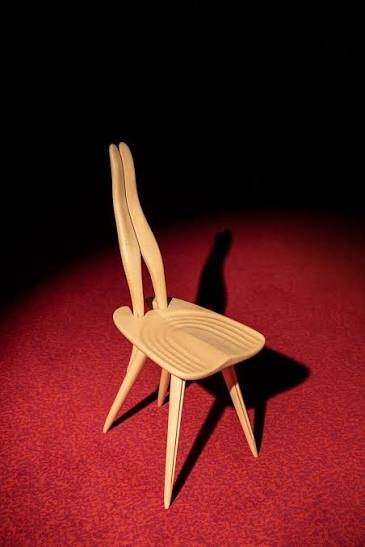
Zanotta has also helped preserve an important part of Italy’s design heritage by bringing historic projects—which had previously been produced only as one-off pieces—into production. Particularly significant has been the collaboration with the legacy of Carlo Mollino. As an architect, designer, photographer, and aviation enthusiast, Mollino was one of the most distinctive Italian creators of the 20th century, whose furniture combines forms inspired by anatomy, nature, and movement with exceptional technical precision. Zanotta has helped bring several of his historic works back into production, including Reale, Cavour , and Vertebra tables, with narrow backrests Fenis chair, Arabesco coffee table, and Gilda armchair, which features an adjustable backrest angle. Mollino’s designs appear more like sculptures than conventional furniture, but their expressive forms are always based on well-thought-out construction and the properties of the materials.
-
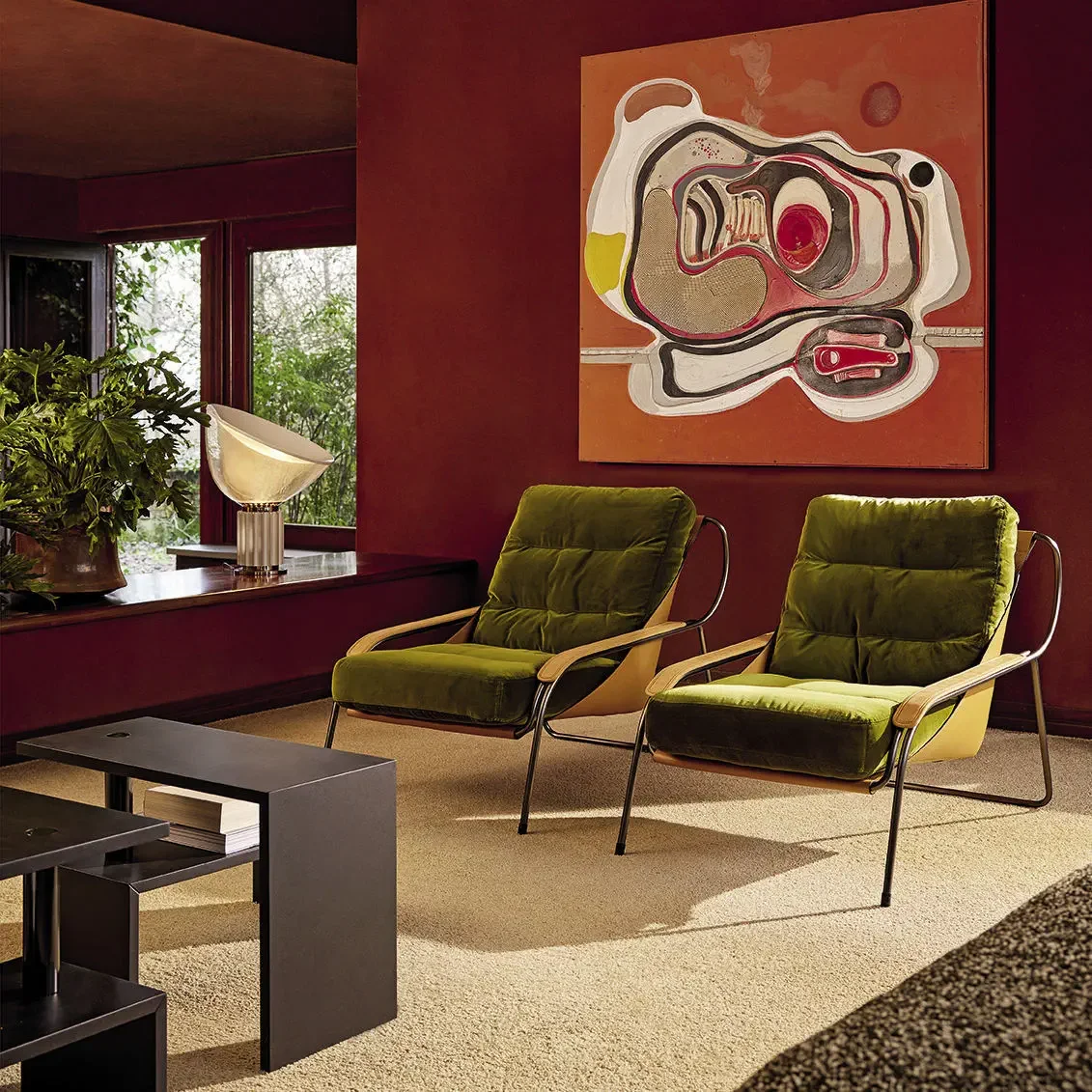
Marco Zanuso combined architecture, industrial design, and a deep understanding of materials in his work. His 1947 creation, Maggiolina armchair, created in 1947, became one of the early icons of Italian modernism. The airy metal frame, leather backrest, and soft seat and back cushions create a visually light yet exceptionally comfortable whole. Maggiolina is a prime example of how technical clarity and luxurious comfort can coexist in a single piece within the Zanotta collection. Zanuso has also expanded the Zanotta collection with the Celestina chair and the Marcuso and Marcuso 2531–2533 tables.

-
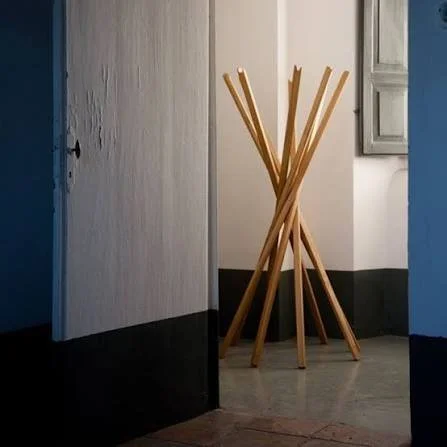
Jonathan De Pas, Donato D’Urbino, and Paolo Lomazzi brought the freedom, playfulness, and pop culture influences of Italian design to the forefront. The Sciangai transforms a simple coat rack into a kinetic sculpture: a closed bundle of wooden rods unfolds into the room with a single movement, like the sticks in a game of Mikado. Both functional and eye-catching, this piece perfectly demonstrates the trio’s ability to turn an everyday activity—such as hanging a coat—into a small design experience.
-
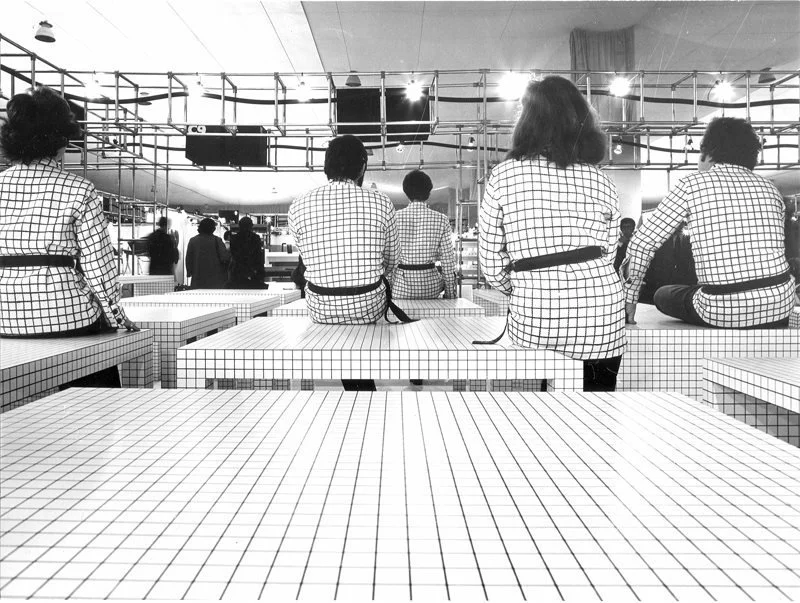
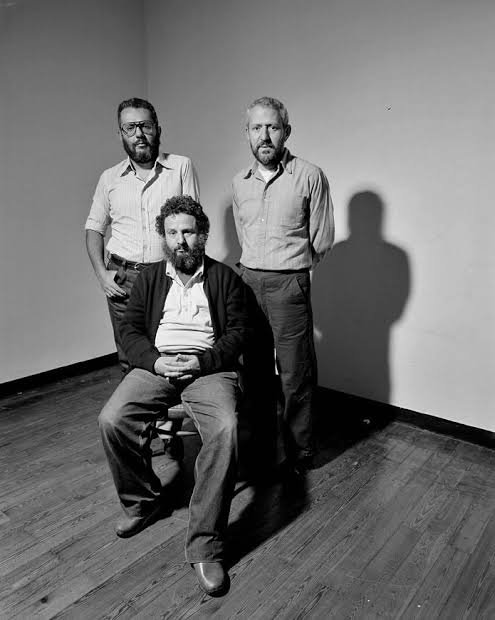
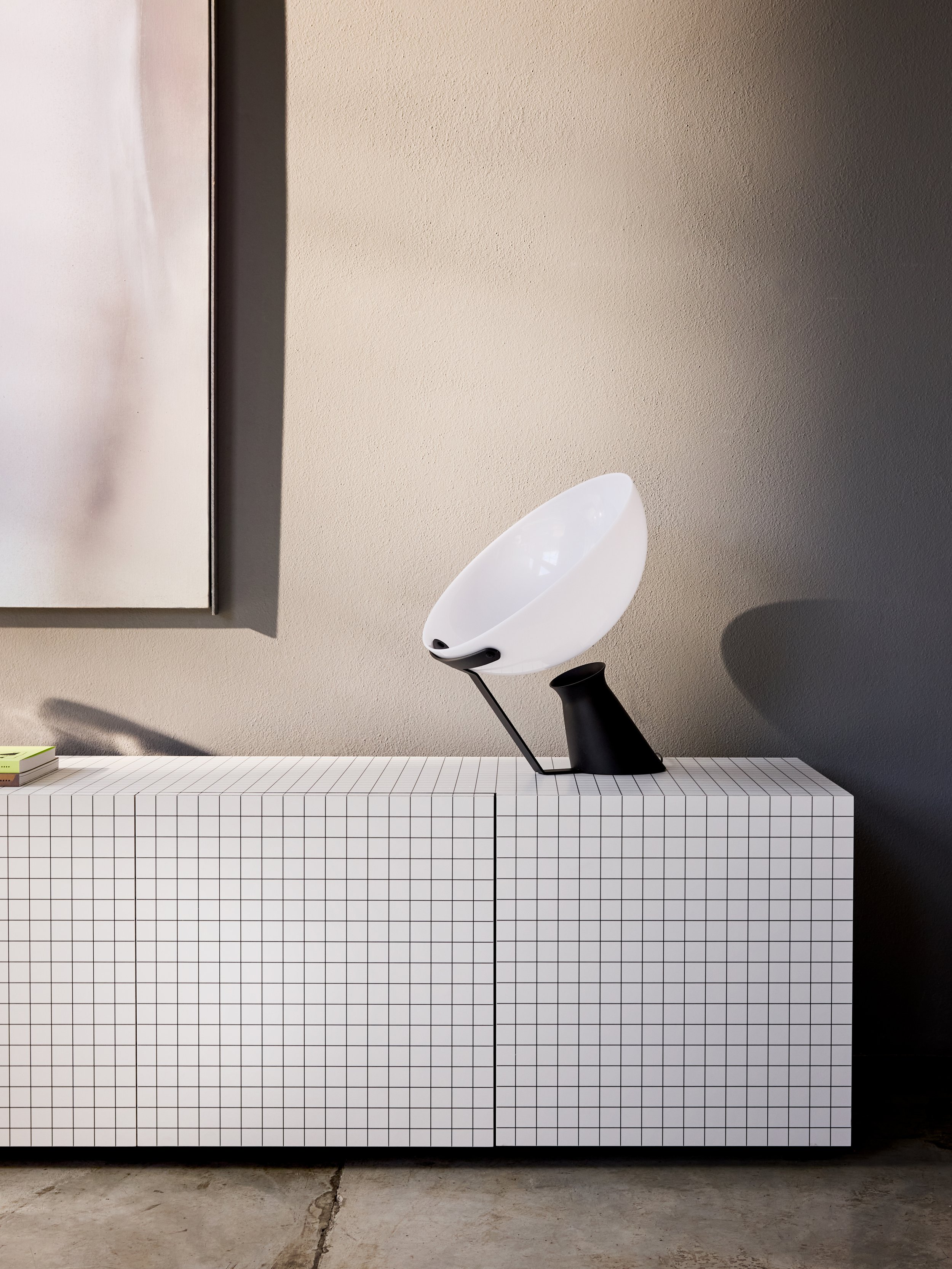
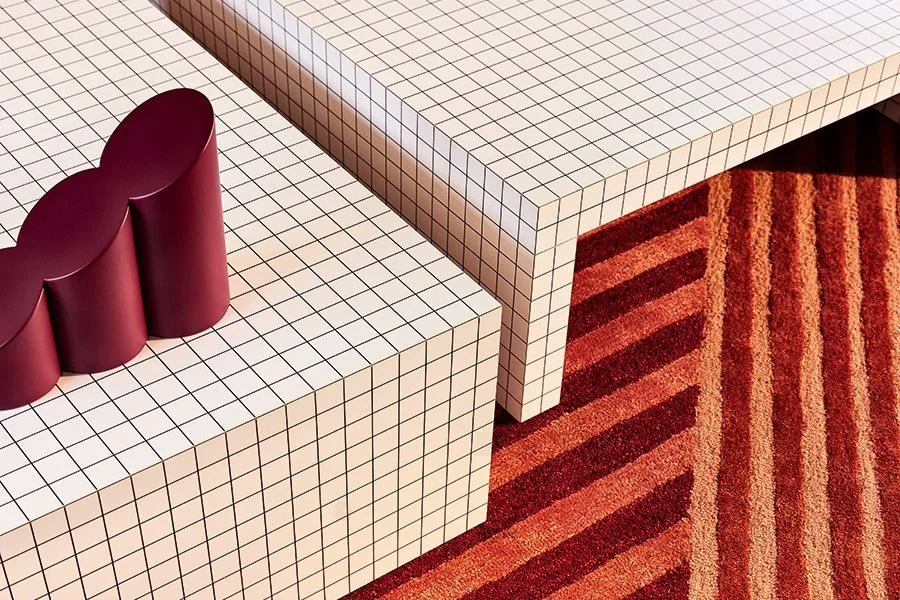
The Florence-based architectural collective Superstudio was one of the most influential forces in Italian radical architecture of the 1960s and 1970s. Their QuadernaCollection from the idea of covering all objects with a single, uninterrupted, neutral grid. Zanotta began producing the collection in 1972, and its white tables, benches, and consoles, covered with black lines, quickly became symbols of radical design. Quaderna pieces appear at once very simple and surreal—as if they had come straight from an architect’s drawing or a digital space.
Over the decades, in addition to those mentioned above, Zanotta has collaborated with the following architects and designers: Ettore Sottsass, Alessandro Mendini, Gae Aulenti, Joe Colombo, and many other influential architects and designers. Today, Damian Williamson, Zaven, Calvi Brambilla, and Muller Van Severen, among others, continue this legacy, interpreting Zanotta’s experimental spirit through contemporary materials, lifestyles, and needs.
Zanotta’s influence extends far beyond home interiors. The brand’s pieces can be found in the permanent collections of the world’s leading design museums, and several of its products have become internationally recognized cultural icons. Historical pieces and contemporary collections coexist on equal footing in the world of Zanotta, proving that design rooted in a strong concept is not confined to a single era.

-
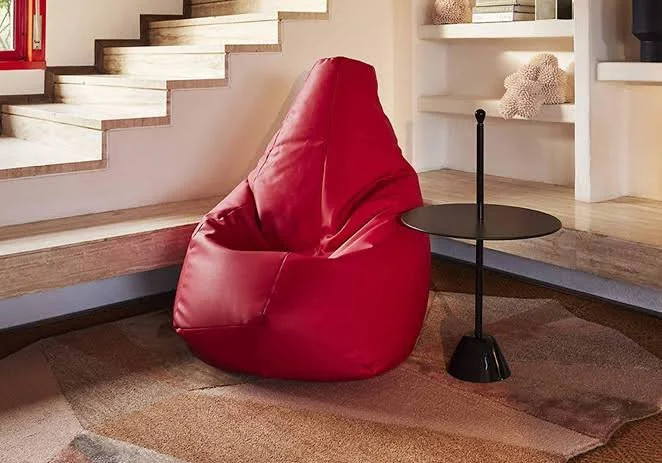
One turning point came in 1968 with the founding of the group by Piero Gatti, Cesare Paolini, and Franco Teodoro Sacco —arguably the world’s first beanbag. Instead of a traditional frame, the seat was filled with small polystyrene beads, allowing it to conform to the user’s body. Sacco did not dictate how a person should sit, but gave them complete freedom. This simple yet radical idea transformed both the form of furniture and people’s attitudes toward home interiors, quickly becoming a symbol of a freer and more informal lifestyle.
The product has also won the Compasso d’Oro Lifetime Achievement Award.
MASTER OF UPHOLSTERED FURNITURE
Zanotta began as a manufacturer of upholstered furniture, and sofas remain at the heart of the brand’s identity to this day. The collection combines well-thought-out proportions, innovative designs, and a wide range of styles—from understated elegance to bold sculptural forms. The removable covers on the upholstered furniture can be washed and, if desired, replaced, thereby extending the furniture’s lifespan in a practical and environmentally conscious way. We invite you to visit our Tallinn showroom to explore Zanotta’s wide selection of fabrics.

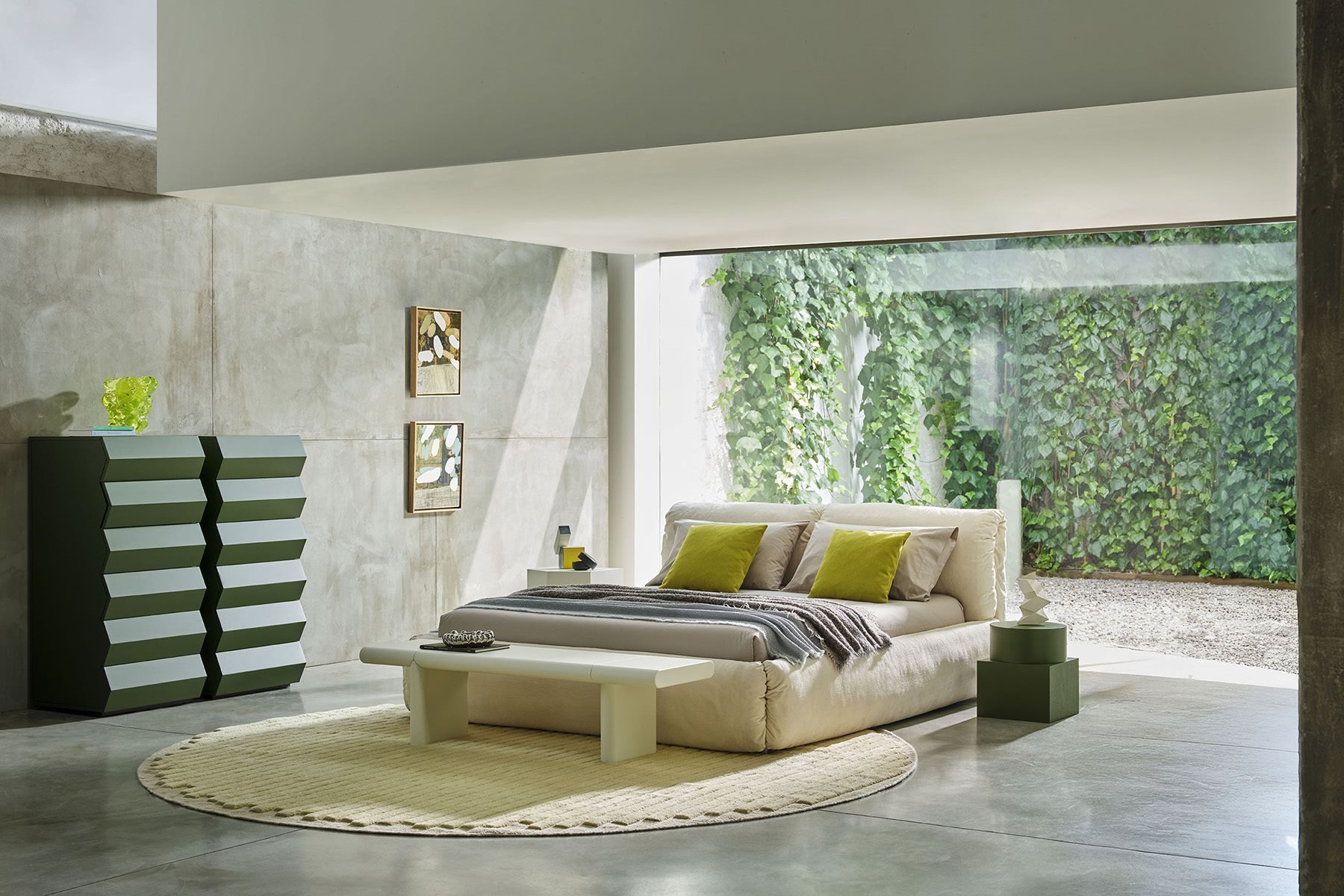
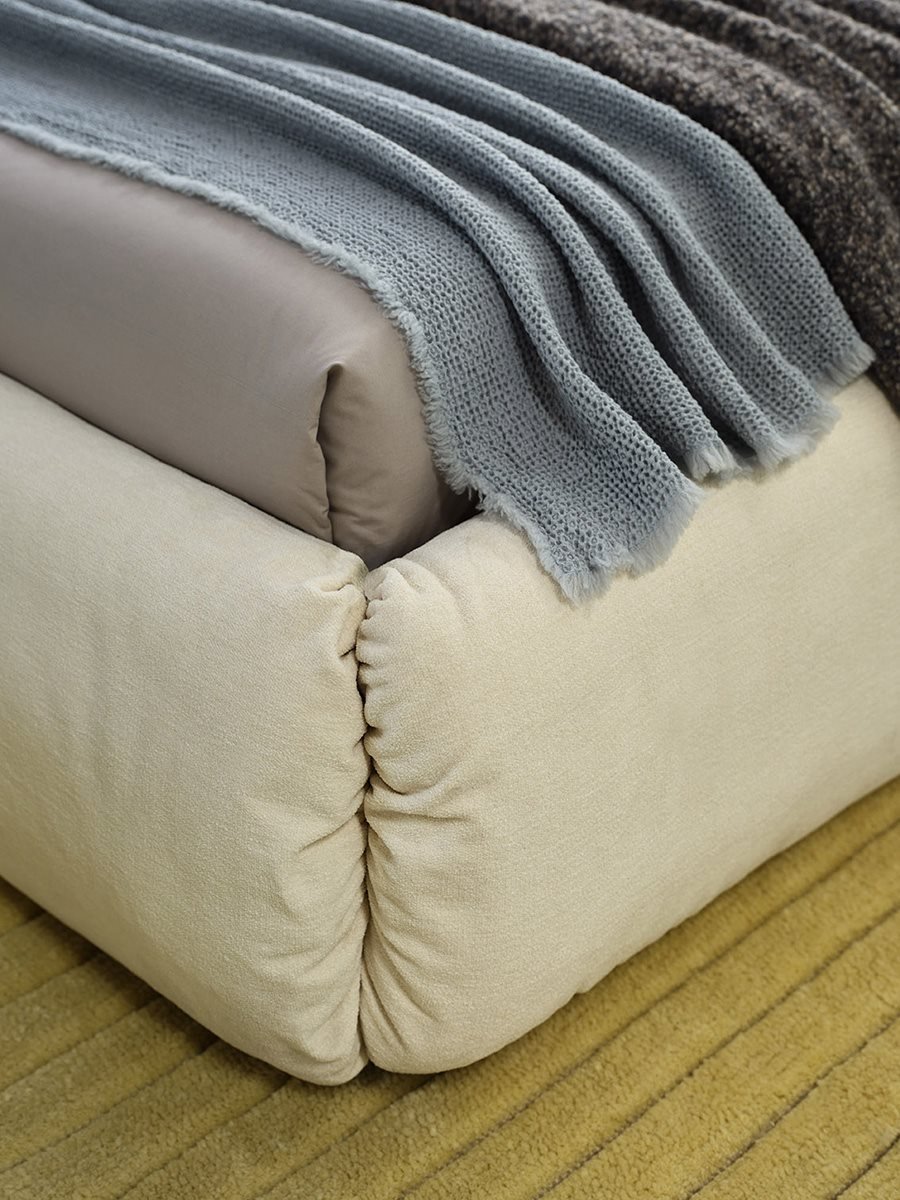
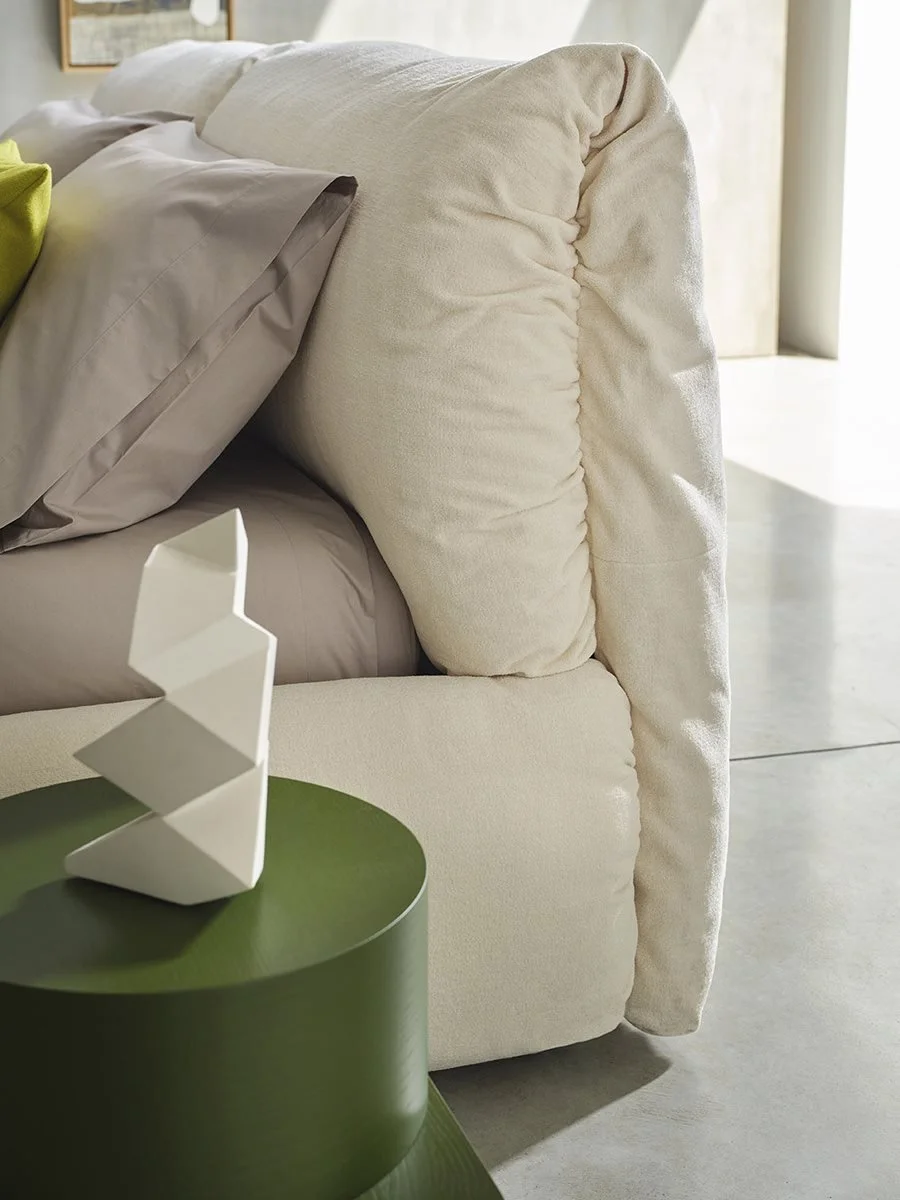
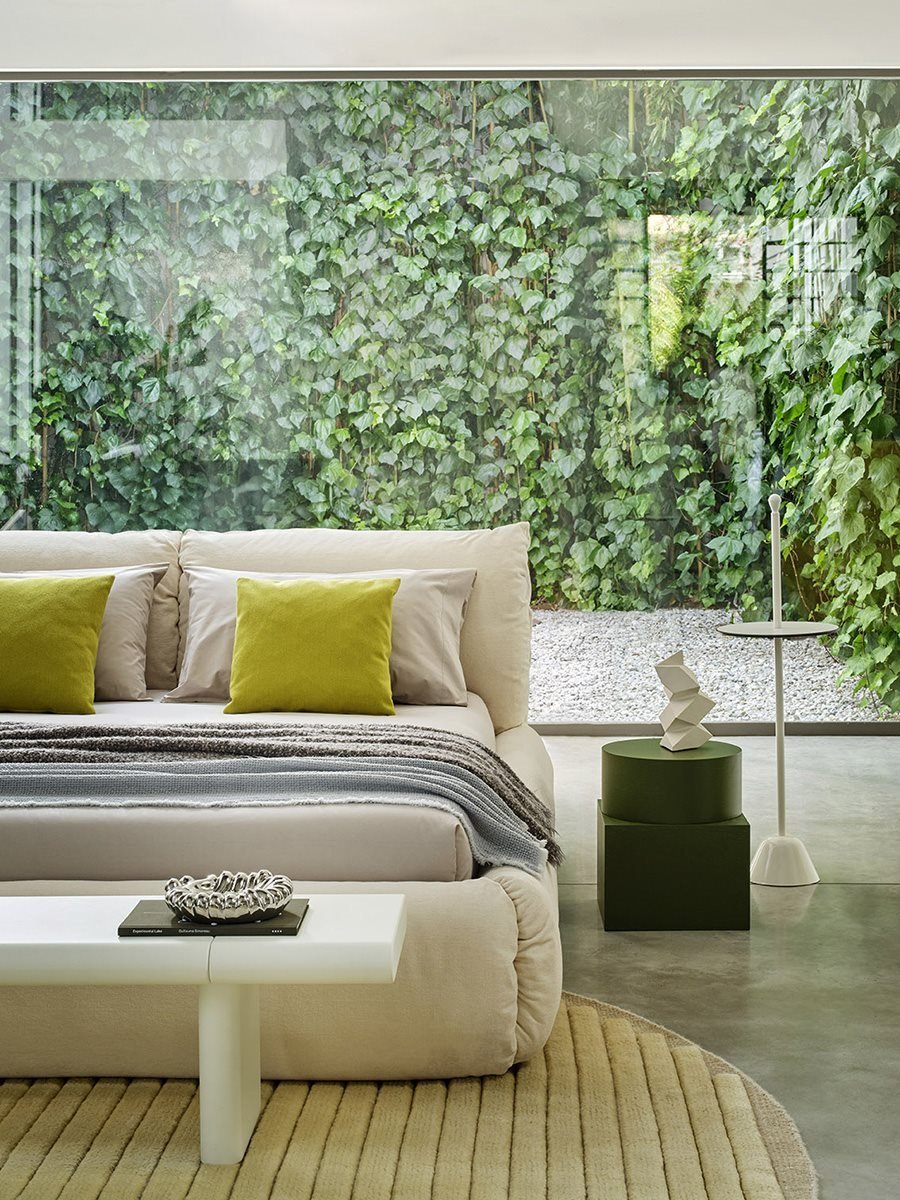
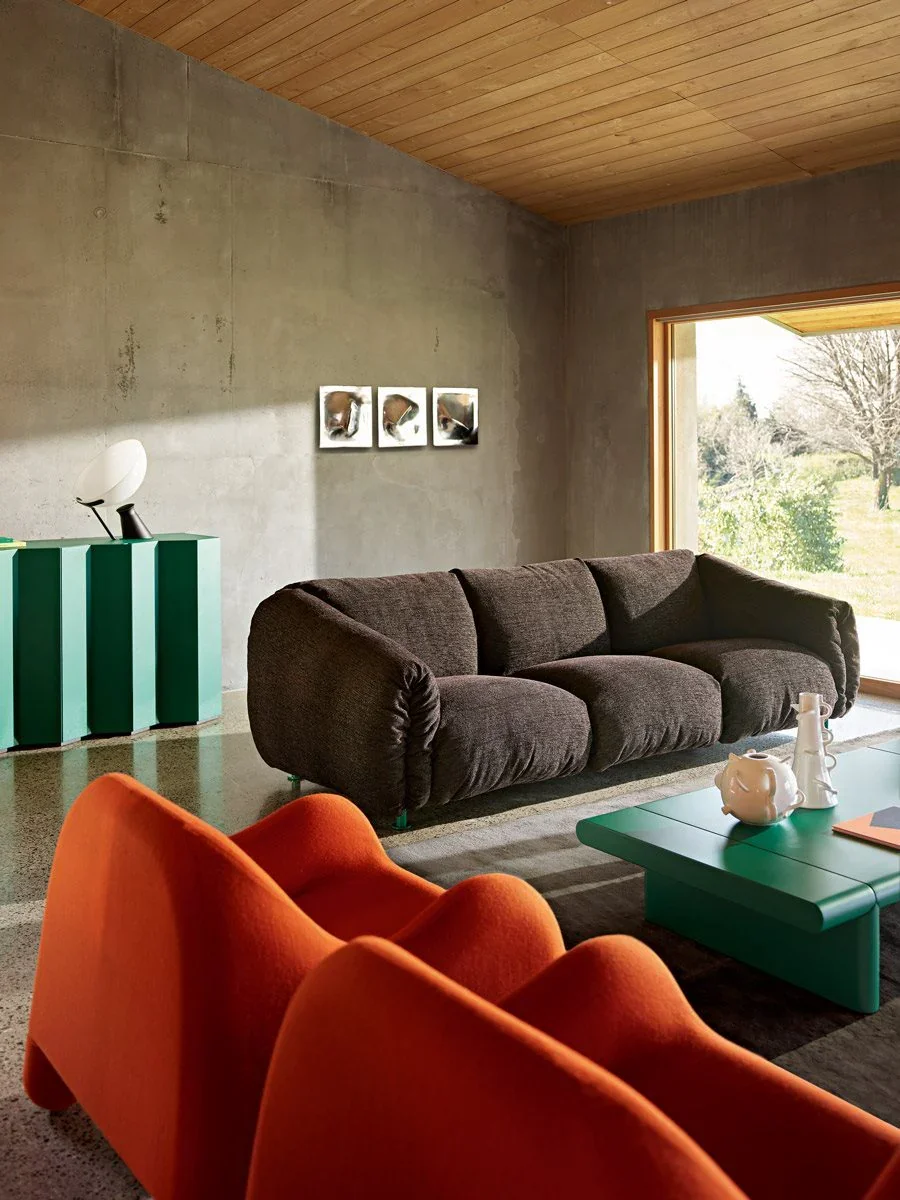
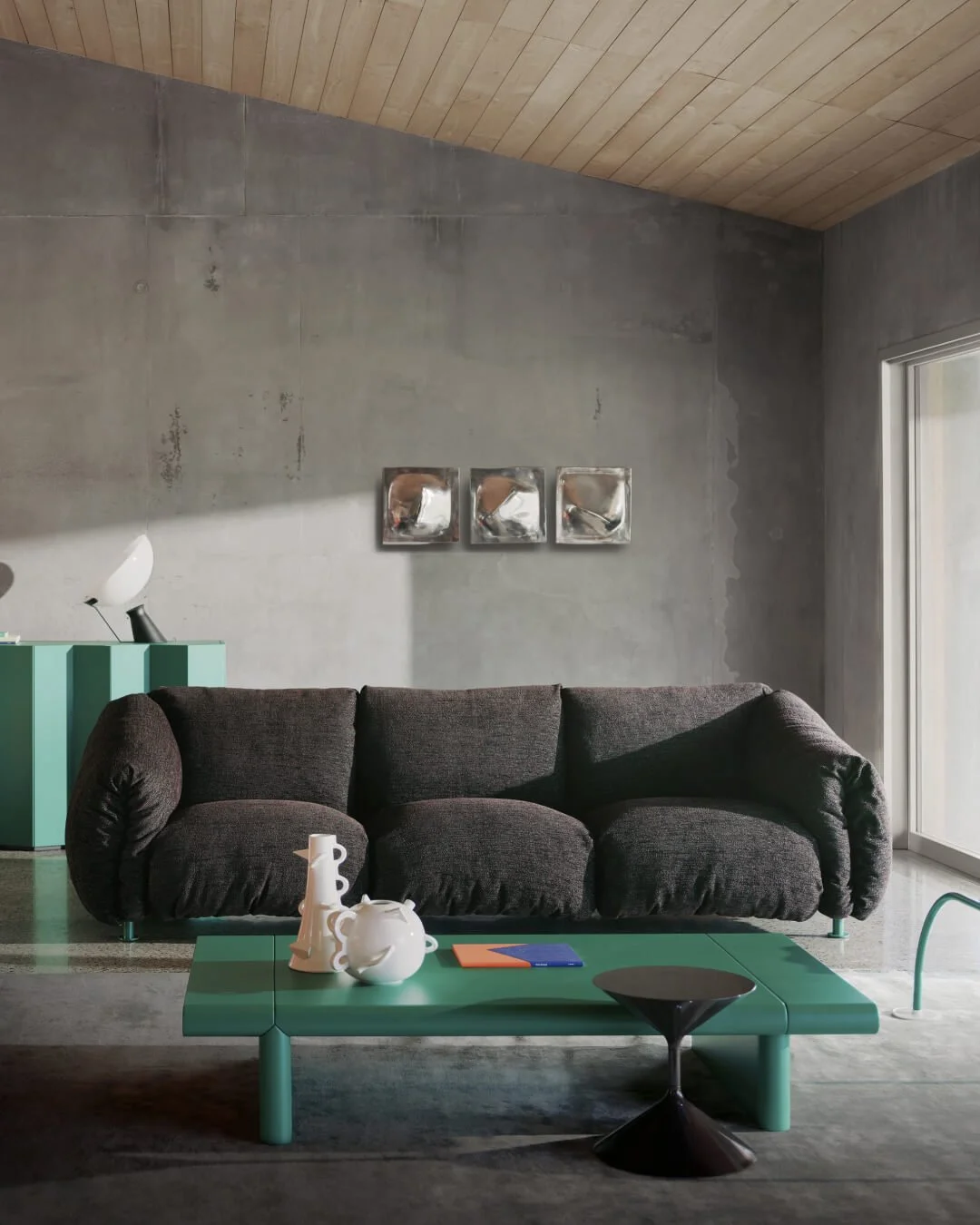

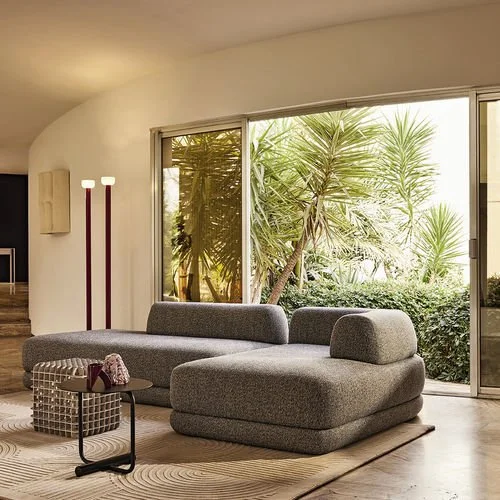
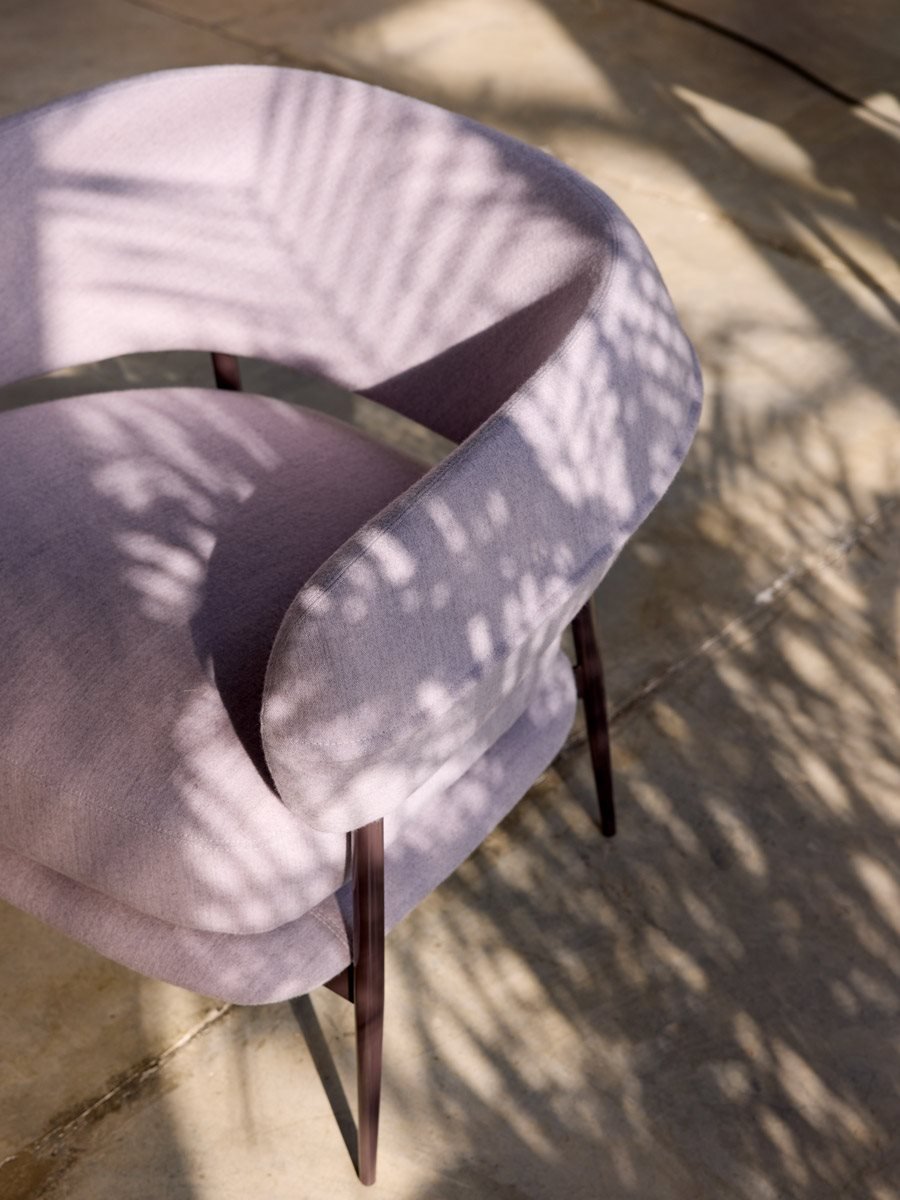
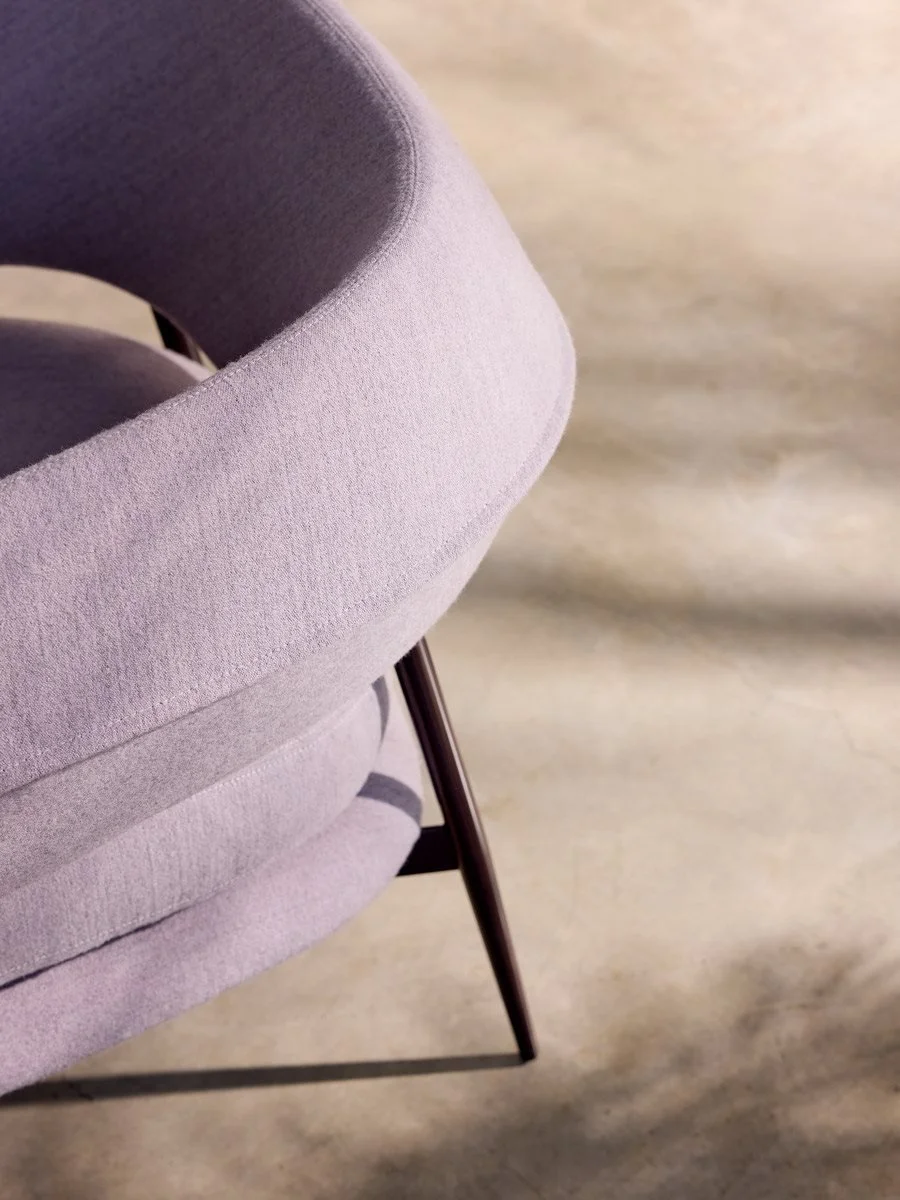
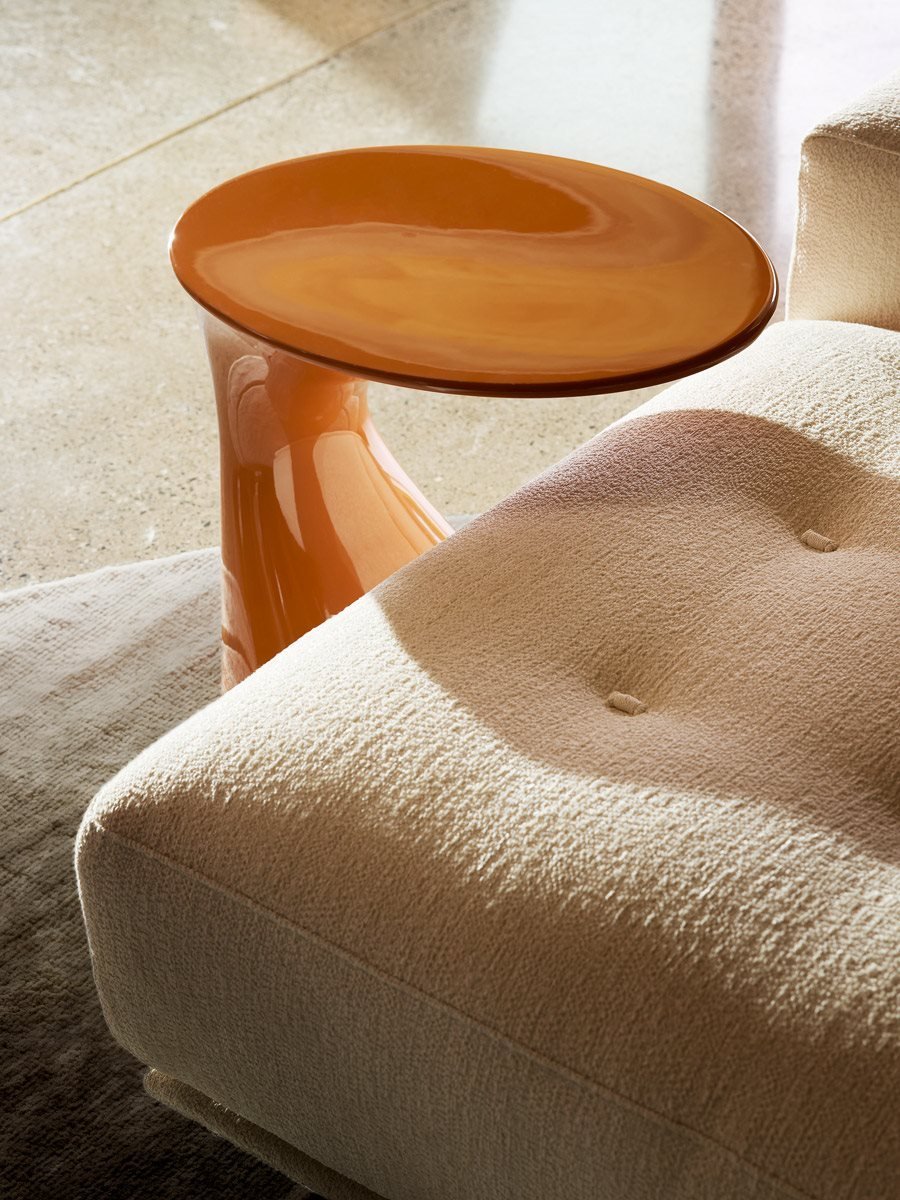

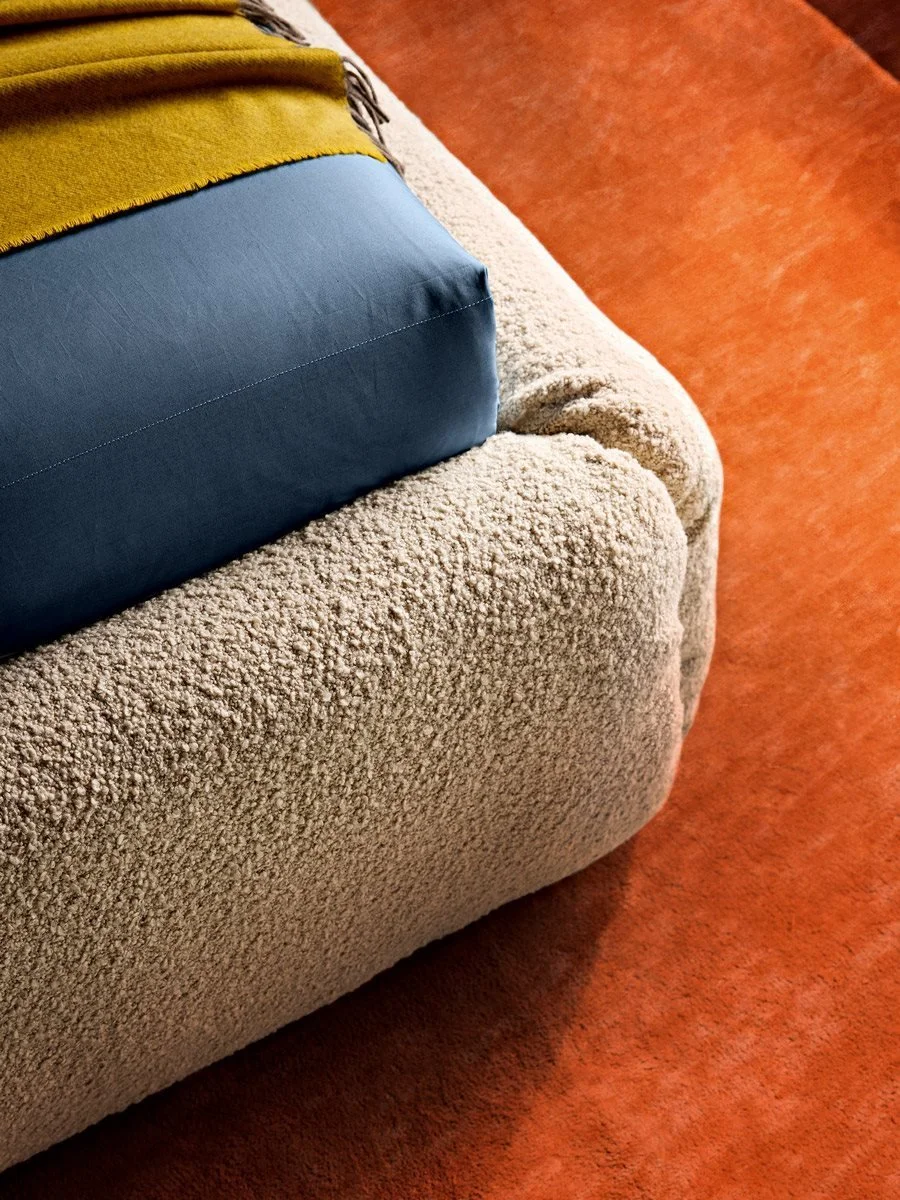

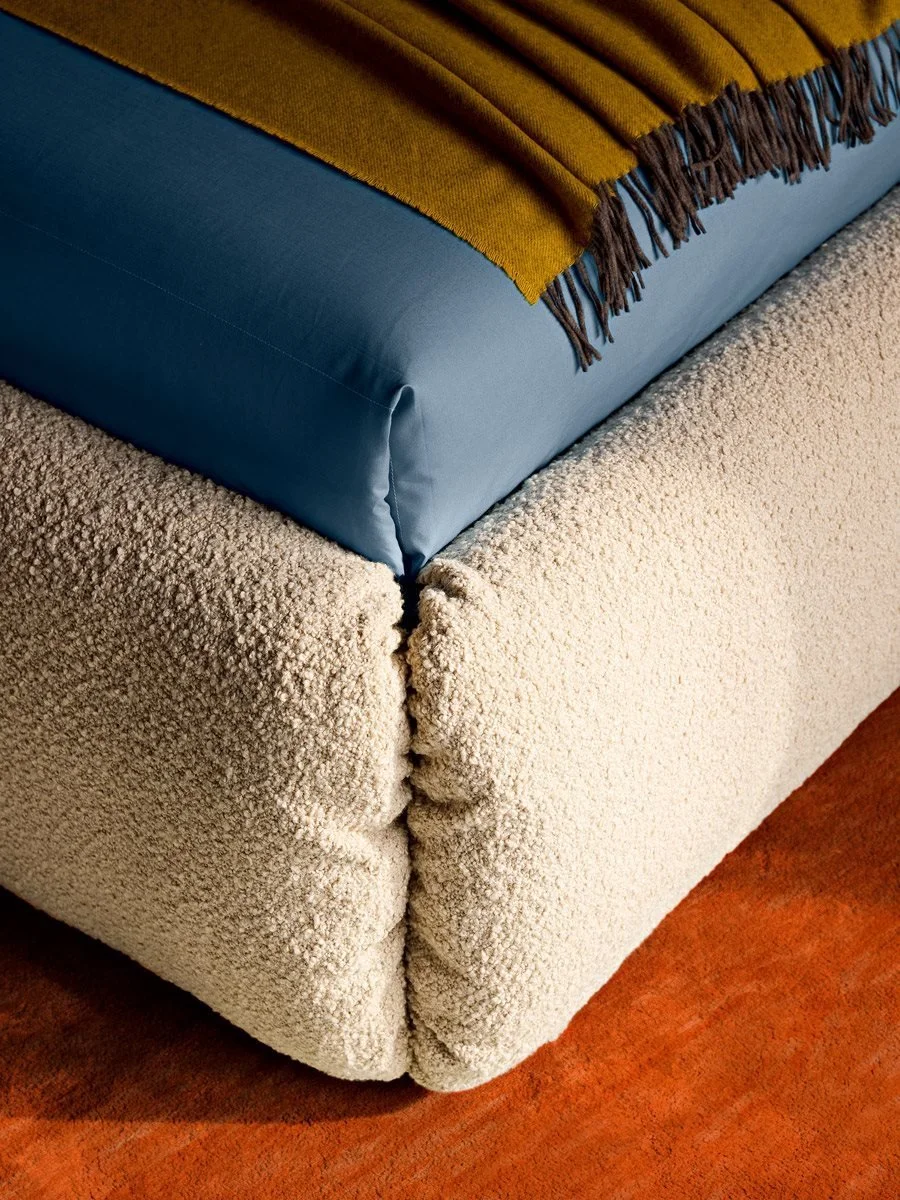
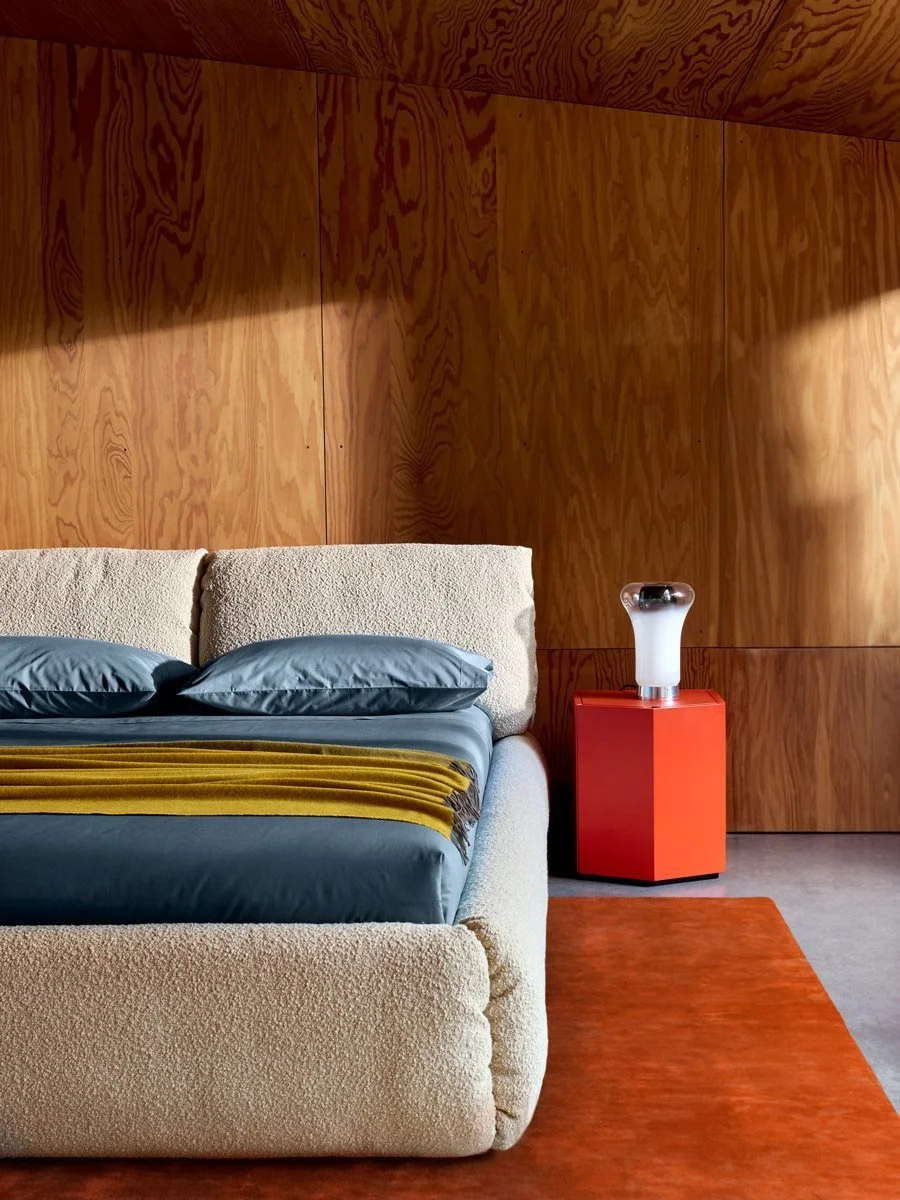
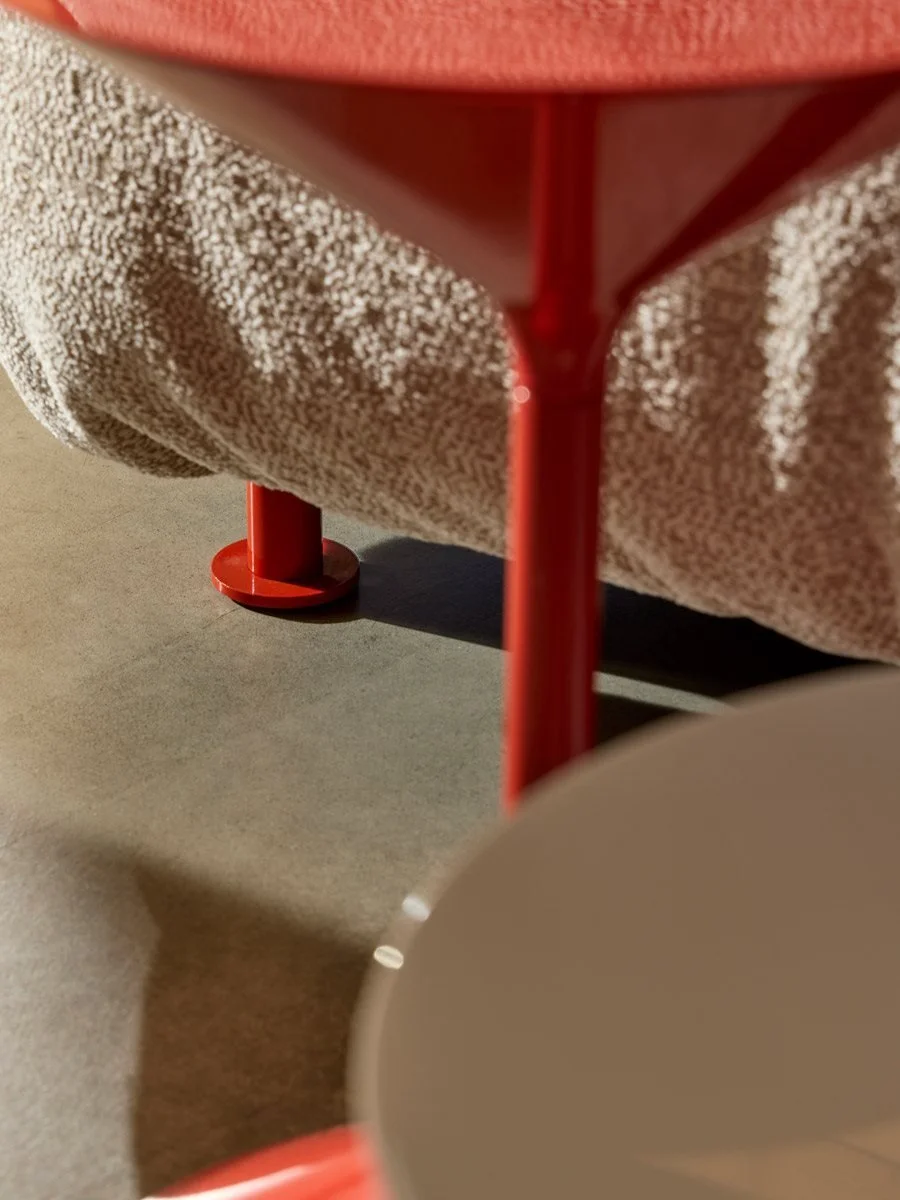

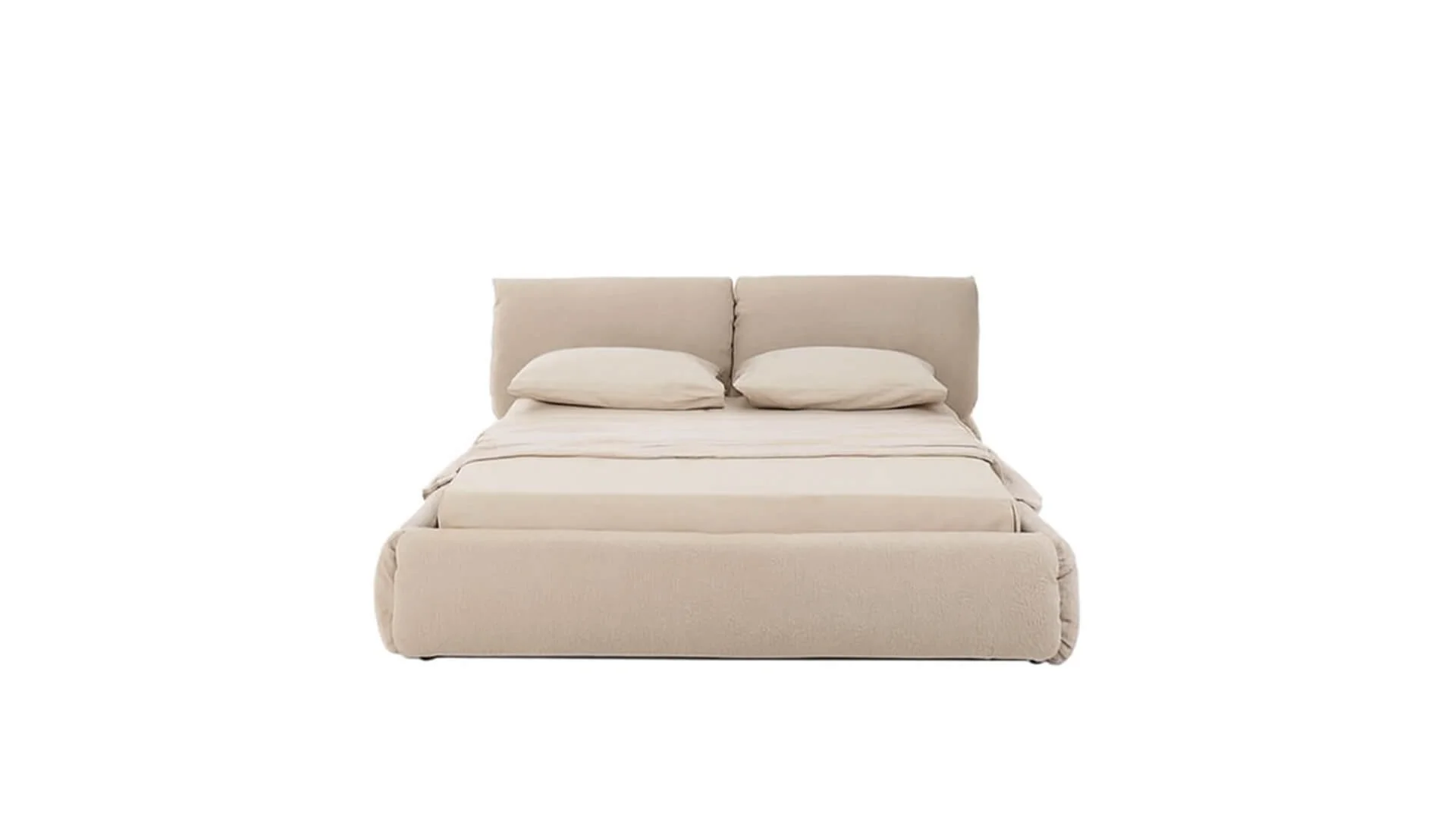
The Za:Za bed, designed by Zaven, continues the soft, rounded aesthetic of the Za:Za collection. The soft headboard, upholstered base, and removable fabric cover create a cozy and contemporary look in the bedroom. Model 1750 is the version with a storage drawer and an integrated slatted base; the price of model 1751 includes two matching 1752 slatted bases. The mattress is not included in the price.
Novel Design offers bedding made from Quantum Cat 40 fabric. Quantum Cat 40 is a blended fabric with a rich, bouclé-like texture. Its dense and slightly textured surface creates a soft, cozy, yet high-quality look. Composition: 33% viscose, 28% acrylic, 14% wool, 9% cotton, 7% polyester, 6% linen, 2% polyamide, 1% spandex.
For other sizes and fabrics, please contact us or visit the Novel Design showroom, where you can view fabric samples.
Material: MDF base and headboard, upholstery with recycled and recyclable polyester beads, removable fabric cover; the 1750 version features an aluminum-painted steel spring frame with natural bent beech slats.
Dimensions: external dimensions 195/205/215 × 235 cm; compatible mattress sizes: 160 × 200, 170 × 200, or 180 × 200 cm.
Delivery time: up to 6 weeks.
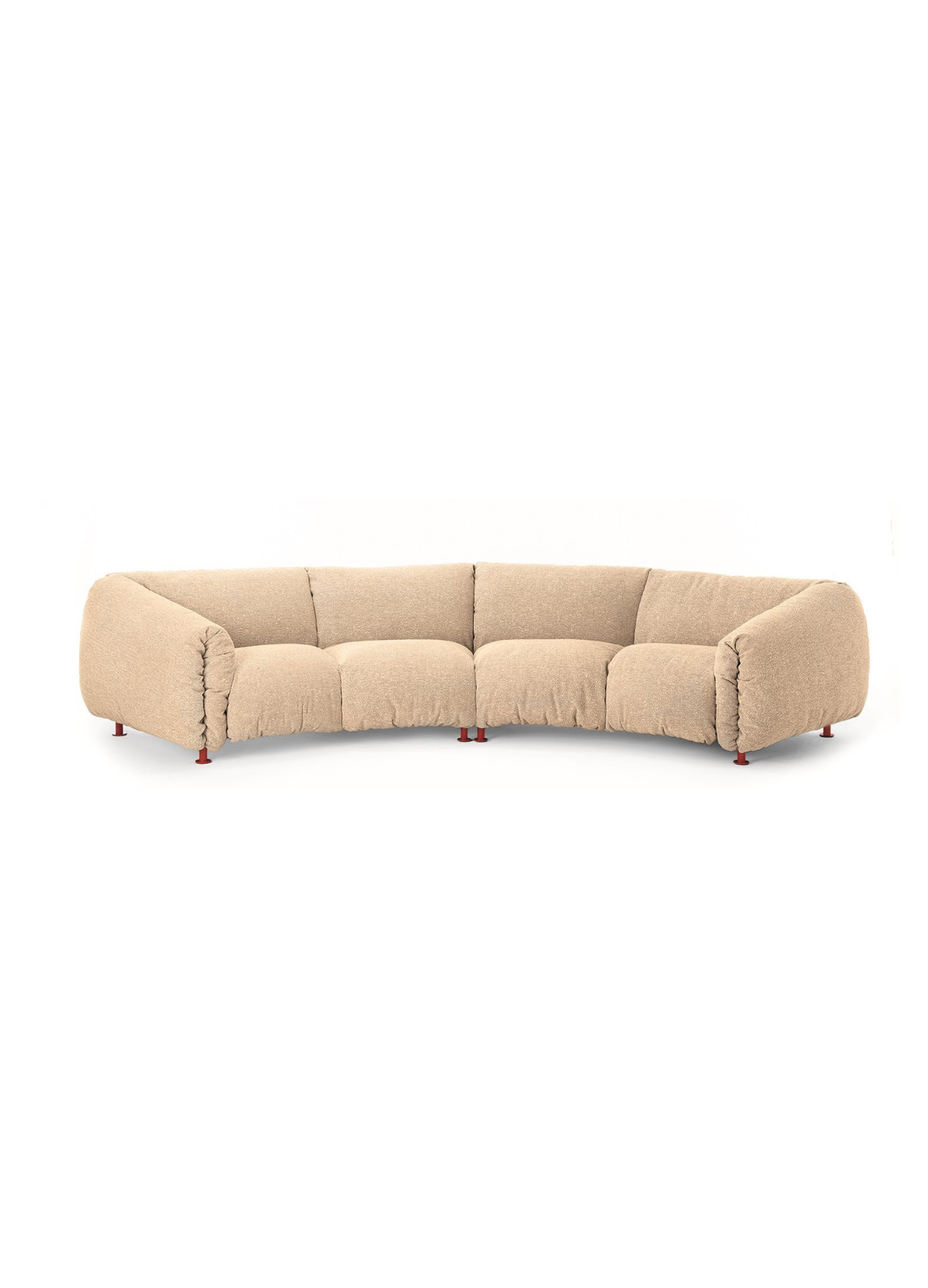
Designed by Zaven, the Za:Za Max is a soft, low-profile, contemporary sofa whose supporting steel frame is a visible design element, and whose cushions’ loose form creates an inviting look. The upholstery uses recycled polyester pellets, and the cover is removable. The sofa has also won the Compasso d’Oro design award.
Novel Design offers the Tobia Cat. 30 upholstered sofa, which features a 100% polyester fabric with a soft, dense, and slightly textured finish. The color is matte and subdued, making it a good match for larger, soft shapes. Composition: 100% polyester.
For other sizes and fabrics, please contact us or visit the Novel Design showroom, where you can view fabric samples.
Material: painted steel frame, rigid anthracite-colored polyester straps, polyurethane, and recycled polyester beads; removable fabric cover.
Dimensions: Sofa 240: L240 × W117 × H82 cm; Sofa 280: L280 × W117 × H82 cm.
Delivery time: up to 6 weeks.
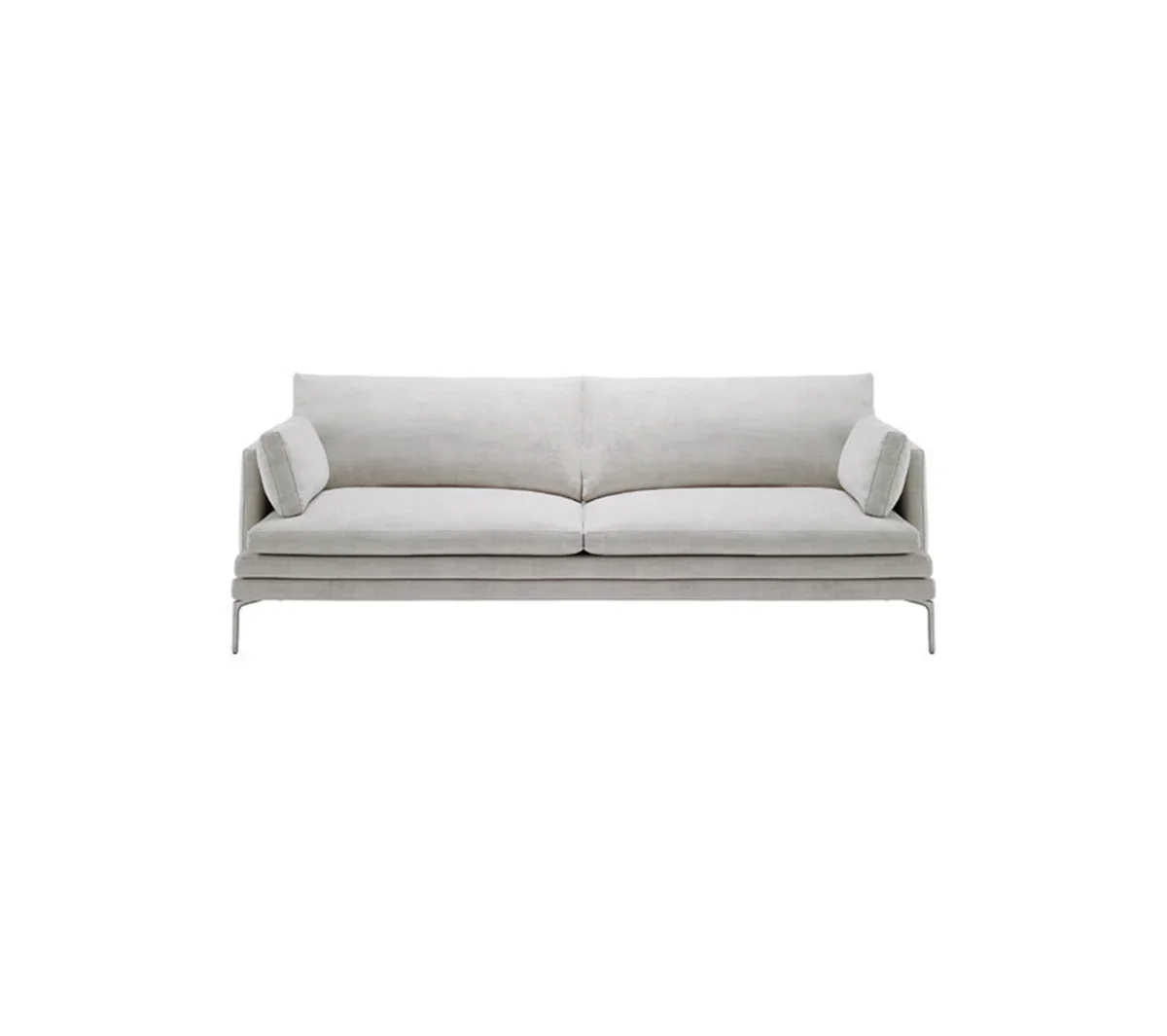
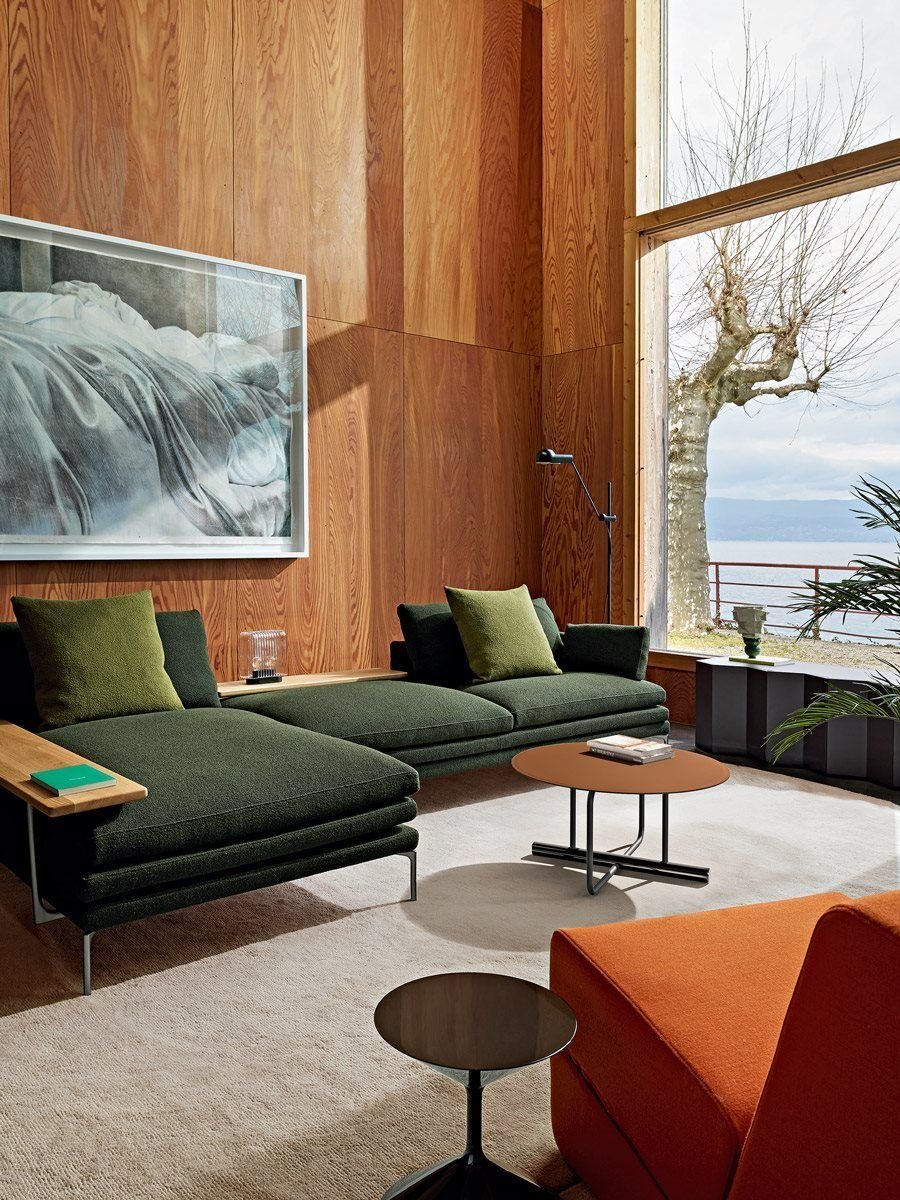
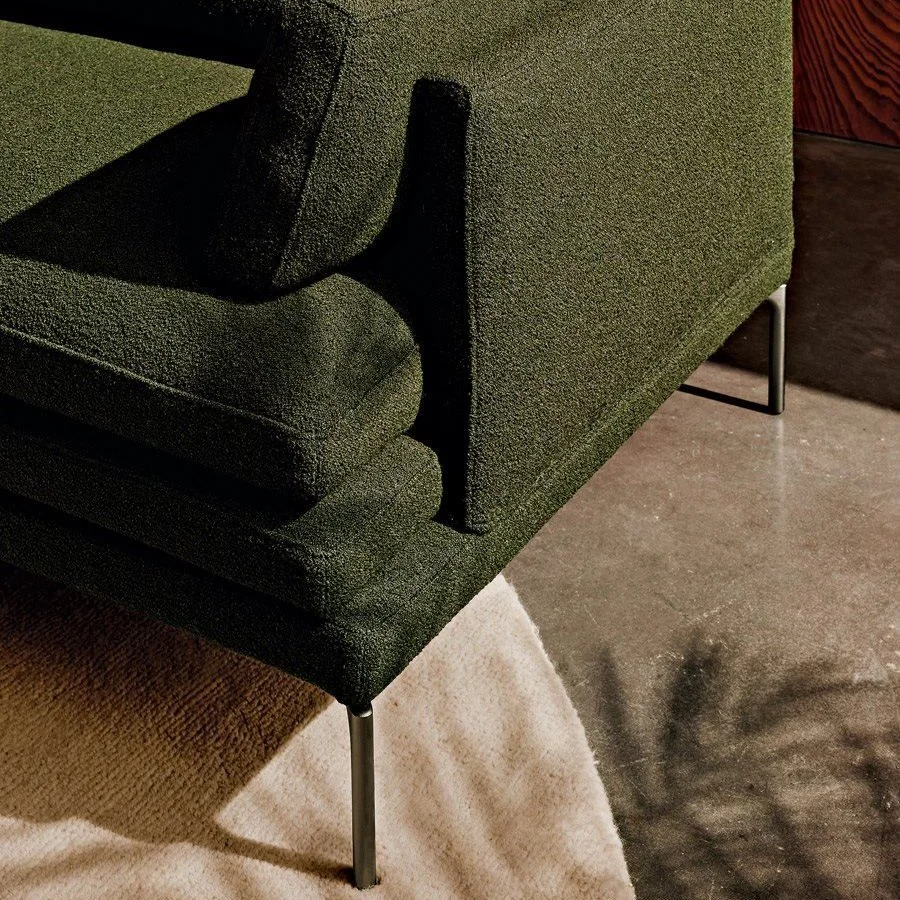
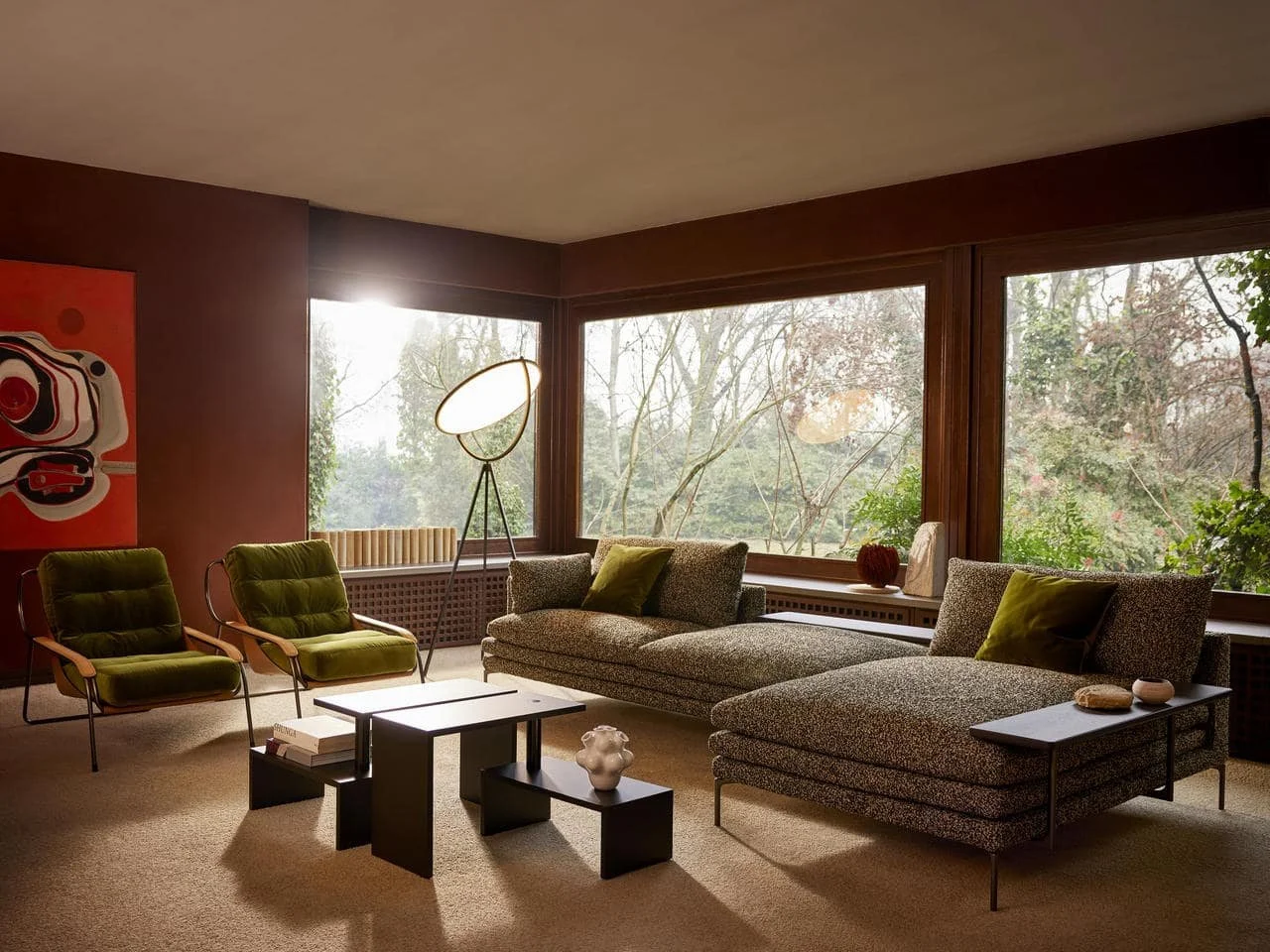
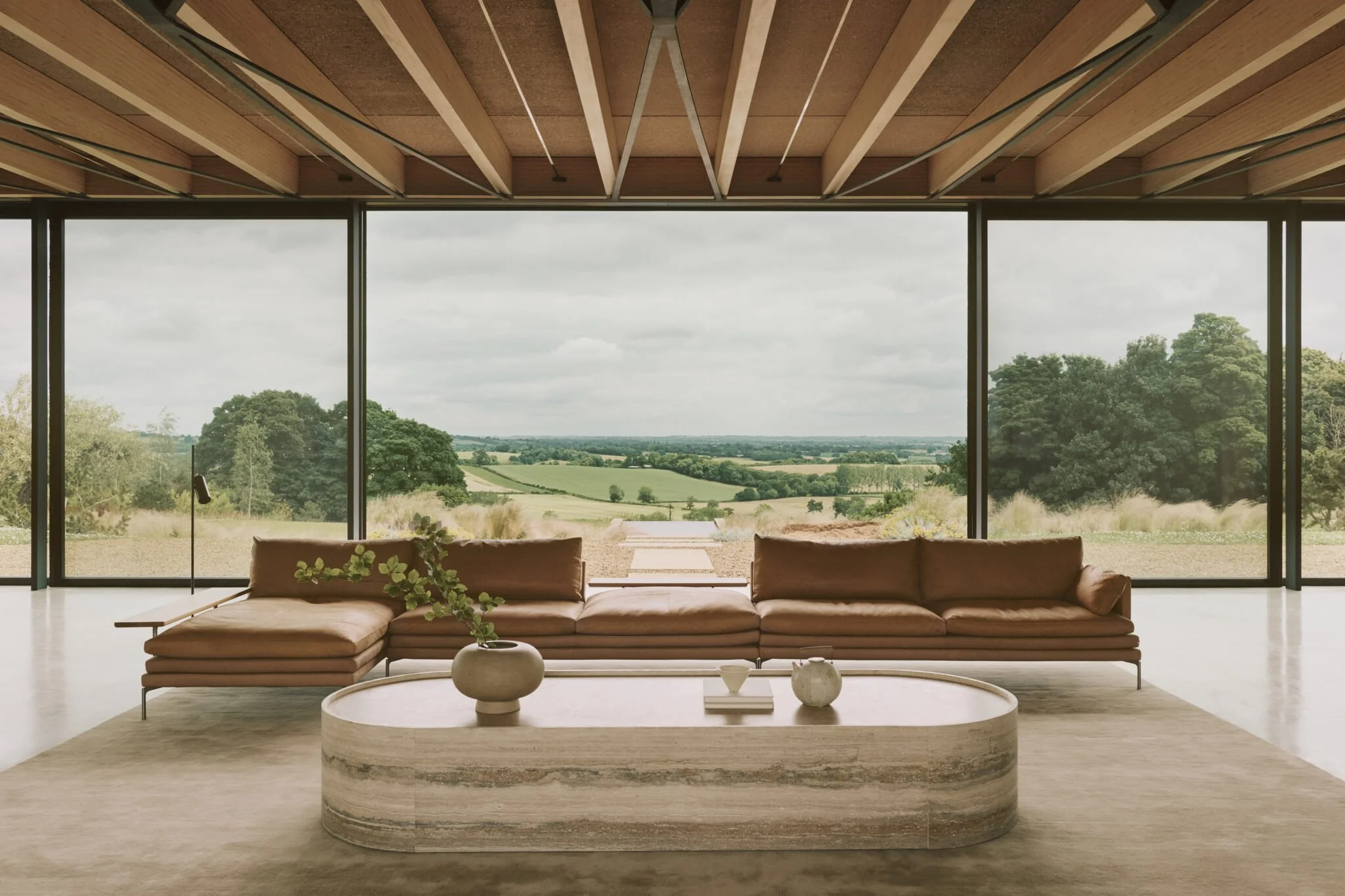
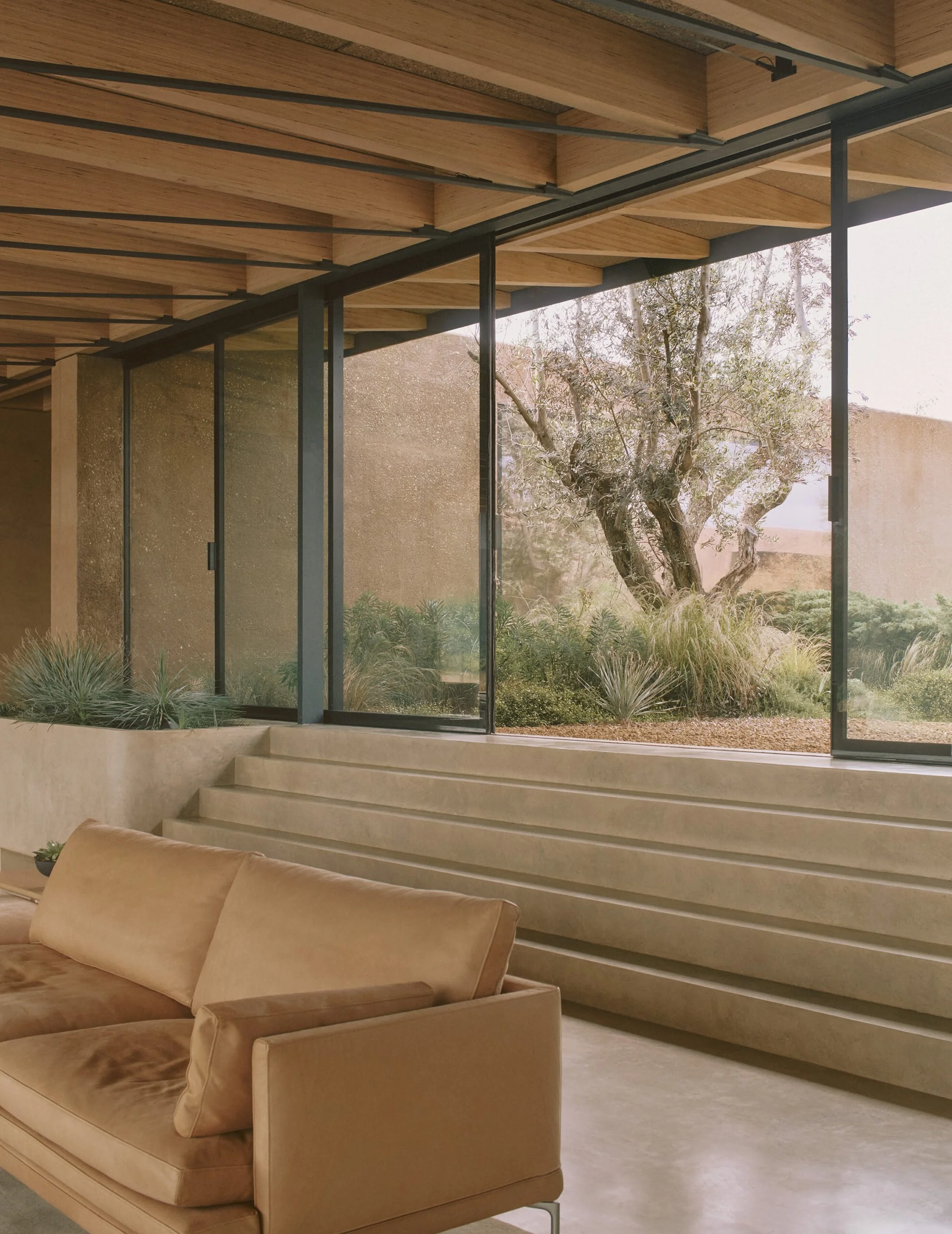
William is a Zanotta sofa designed by Damian Williamson with classic proportions, featuring a slender metal base and soft feather-filled seat and back cushions that create an elegant and comfortable design.
Novel Design offers the Qatar sofa in fabric cat. 40, a fabric with a natural linen-like character, a textured surface, and a visible weave. The surface has a subtly luxurious feel, is slightly grainy, and has a natural look. Composition: 73% linen, 20% viscose, 7% polyamide.
For other sizes and fabrics, please contact us or visit the Novel Design showroom, where you can view fabric samples.
Materials: steel frame, aluminum alloy legs, elastic-strap suspension, polyurethane/thermally bonded polyester fiber, 100% new goose down in the seat and back cushions, removable fabric or leather cover.
Dimensions: 1330/302: L224 × W90 × H87 cm; 1330/312: L266 × W90 × H87 cm.
Delivery time: up to 6 weeks.
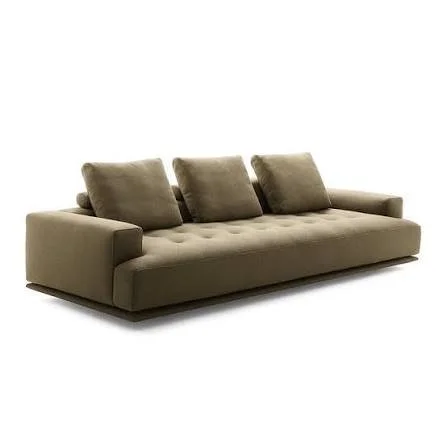
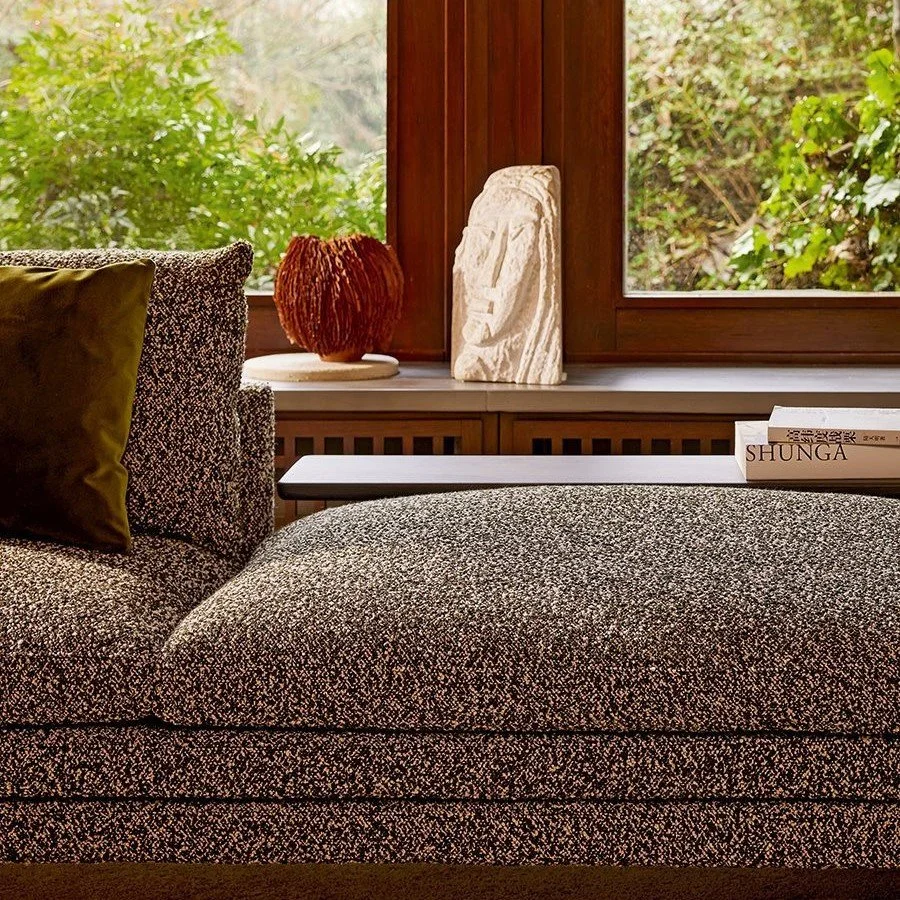
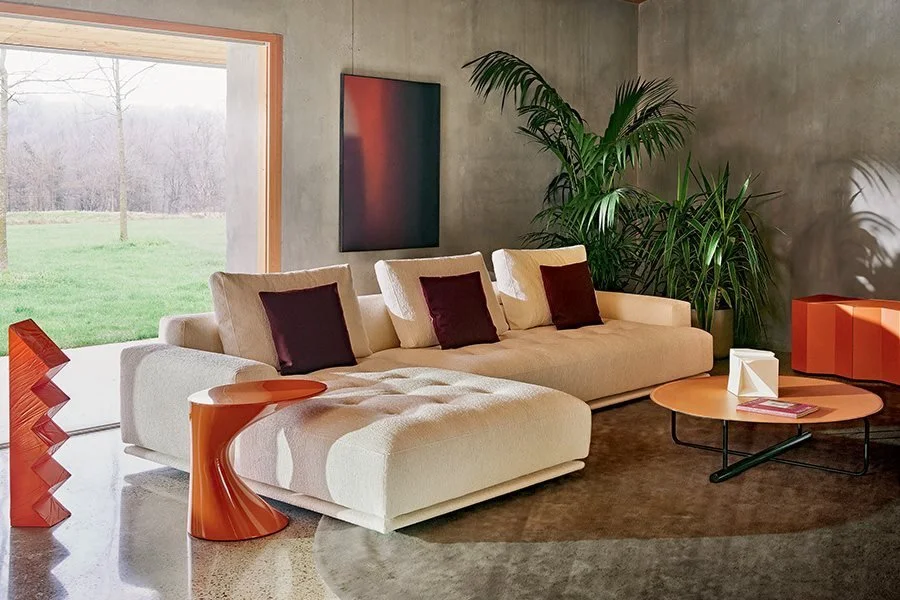
Damian Williamson’s Shiki sofa combines a low, architectural wooden base with soft upholstery and loose-fitting back cushions. The tufted seat cushion and removable cover give the sofa a luxurious yet practical character.
Novel Design offers the Shiki sofa in the Tocco Cat. 30 fabric, which is a textured cotton-acrylic blend. The surface has a soft, vibrant, and slightly grainy texture; the tones are not completely flat, but lend the furniture a sense of depth. Composition: 41% cotton, 36% acrylic, 9% polyester, 7% polyamide, 3% viscose, 2% wool, 2% linen.
For other sizes and fabrics, please contact us or visit the Novel Design showroom, where you can view fabric samples.
Material: wooden frame and fabric-covered wooden base, spring system with elastic straps, polyurethane/thermally bonded polyester fiber, 100% new goose down in the backrest cushion, removable fabric cover.
Dimensions: Sofa 241: L241 × W112 × H87 cm; Sofa 292: L292 × W112 × H87 cm.
Delivery time: up to 6 weeks.
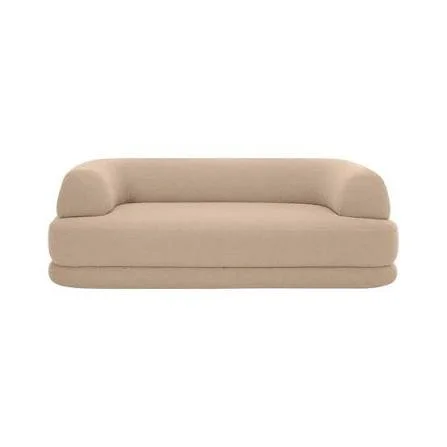
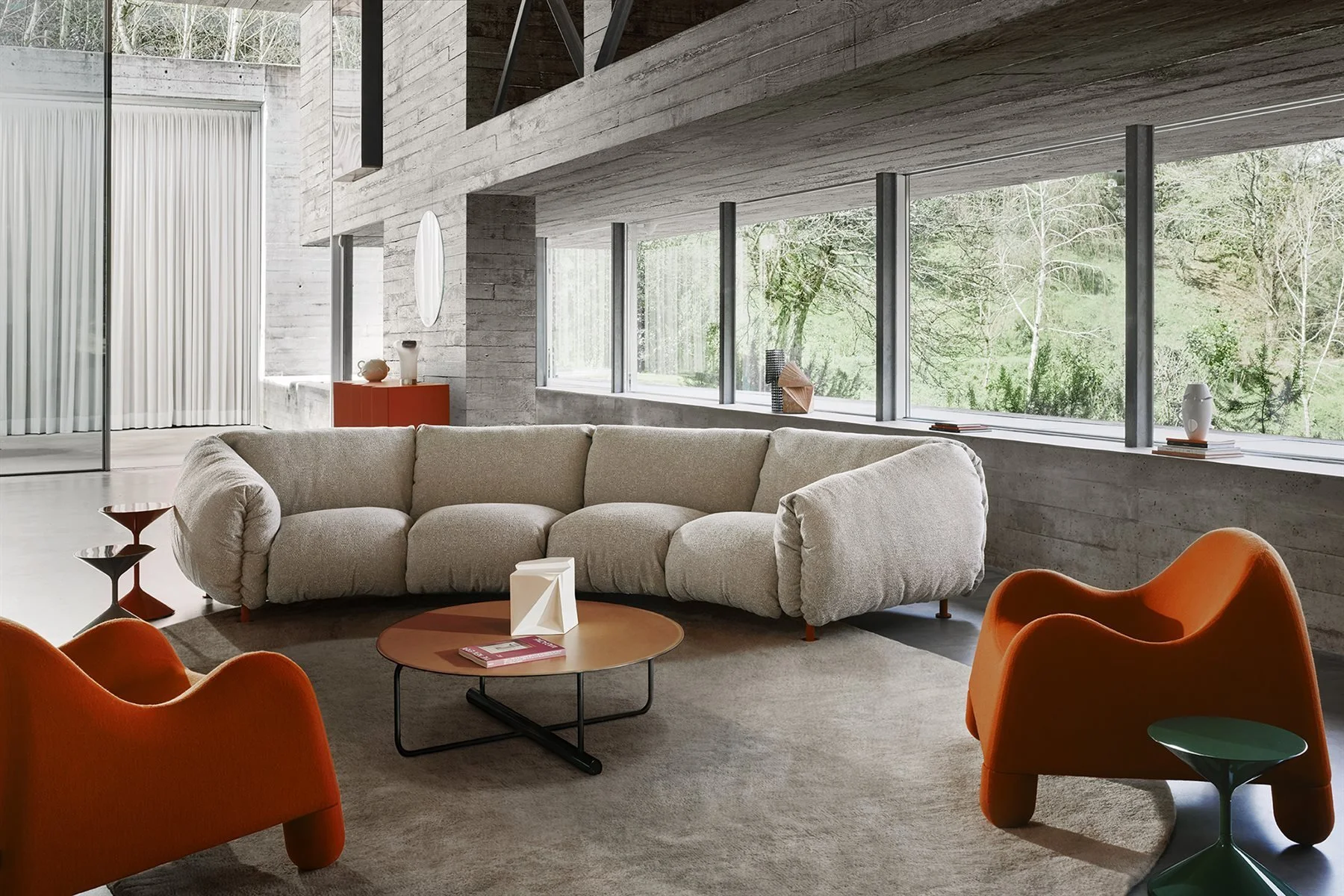
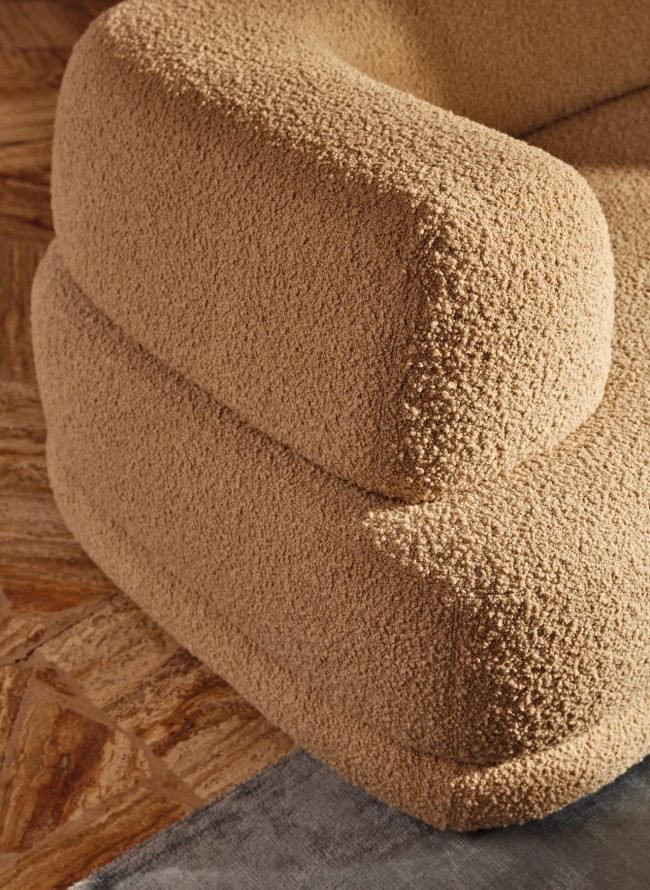
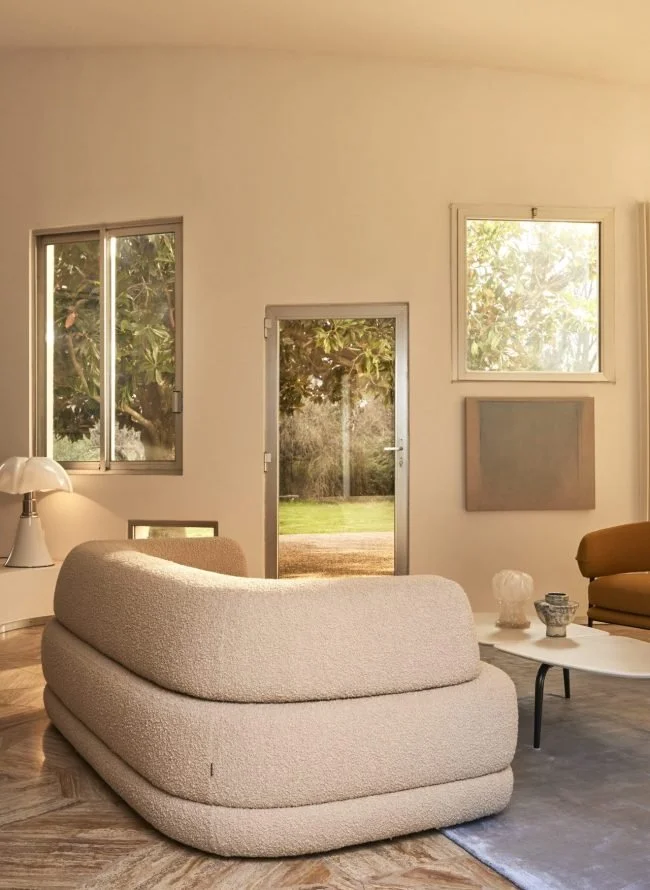
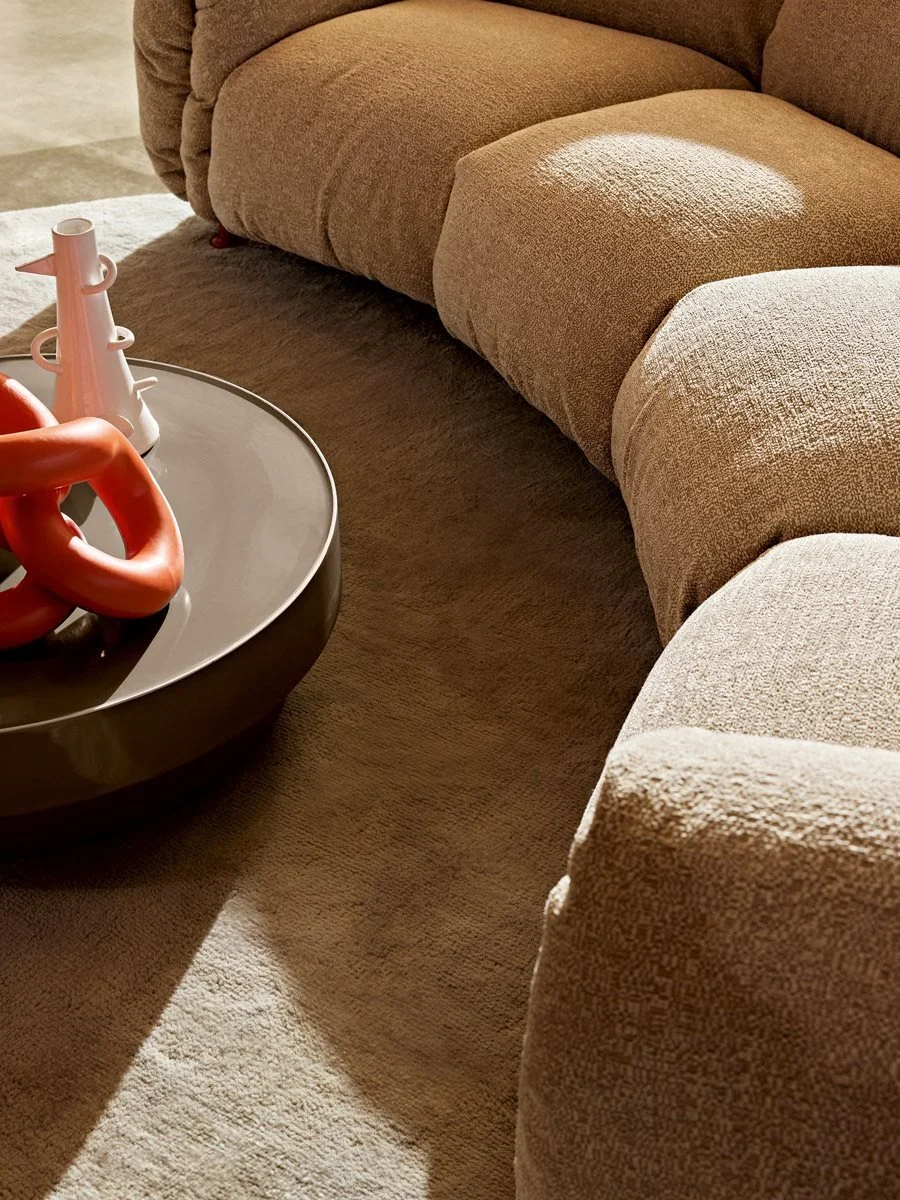
The Zanotta Bumper is a monoblock sofa designed by Calvi Brambilla with a soft and inviting shape. Its rounded forms, low profile, and removable fabric cover make it a comfortable focal point for a contemporary living room.
Novel Design offers a sofa upholstered in Queen Cat. 40 fabric. Queen Cat. 40 is a fluffy fabric with a looped bouclé texture. The melange finish gently blends the shades, giving the sofa or armchair a warm, textured look. Composition: 37% acrylic, 28% wool, 22% polyester, 13% cotton.
For other sizes and fabrics, please contact us or visit the Novel Design showroom, where you can view fabric samples.
Material: wooden frame, spring suspension with elastic straps, polyurethane/DuPont Dacron padding, removable fabric cover.
Dimensions: Sofa 216: L216 × W108 × H71 cm; Sofa 256: L256 × W108 × H71 cm.
Delivery time: up to 6 weeks.
Below, we'll highlight some of our favorites and their stories.
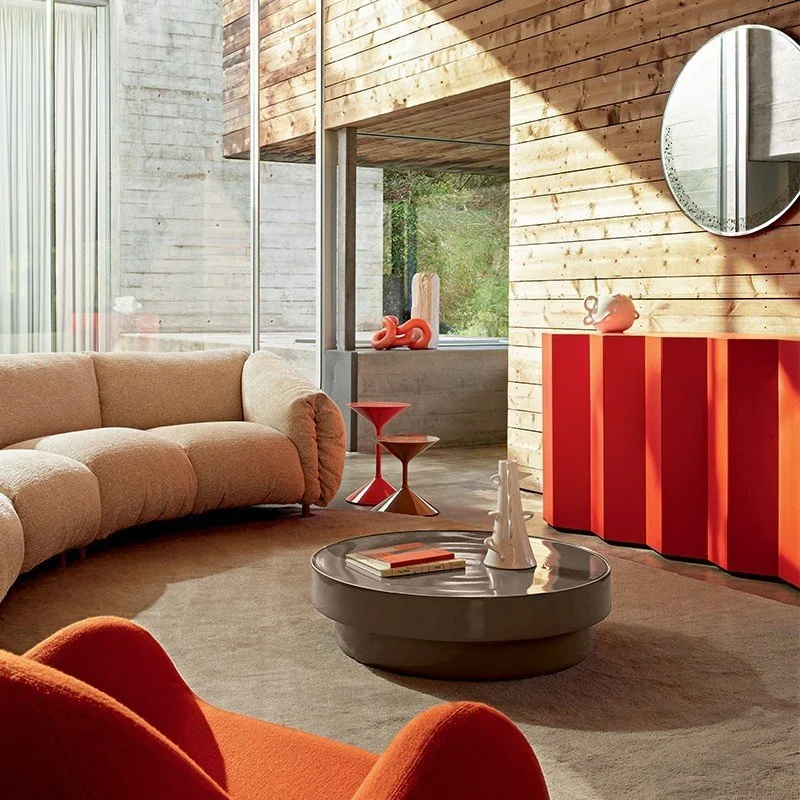
Designed by Zaven, the Za:Za Max has a soft and airy feel: its cushions appear to be suspended from the exposed metal frame like a hammock. The well-thought-out and easily disassembled Za:Za won the prestigious Compasso d’Oro award in 2024, and the same collection also includes an invitingly soft bed that seems to guarantee a sweet sleep. Designed by Damian Williamson, the William combines a light and refined silhouette with deep comfort. Its layered construction, generous seat depth, and soft feel make it a minimalist yet supremely comfortable sofa. Williamson’s Shiki is inspired by the traditional Japanese futon, combining a low upholstered base, a quilted seat, and an architectural design language. Varied heights and meticulously finished details give the sofa a serene yet distinctly unique character. Designed by Calvi Brambilla, the Bumper is like a soft sculpture, its character defined by three layers of comfort stacked on top of one another. The deep seat, low backrest, and rounded forms create an inviting look from every angle, making the sofa an excellent choice for the center of a room.
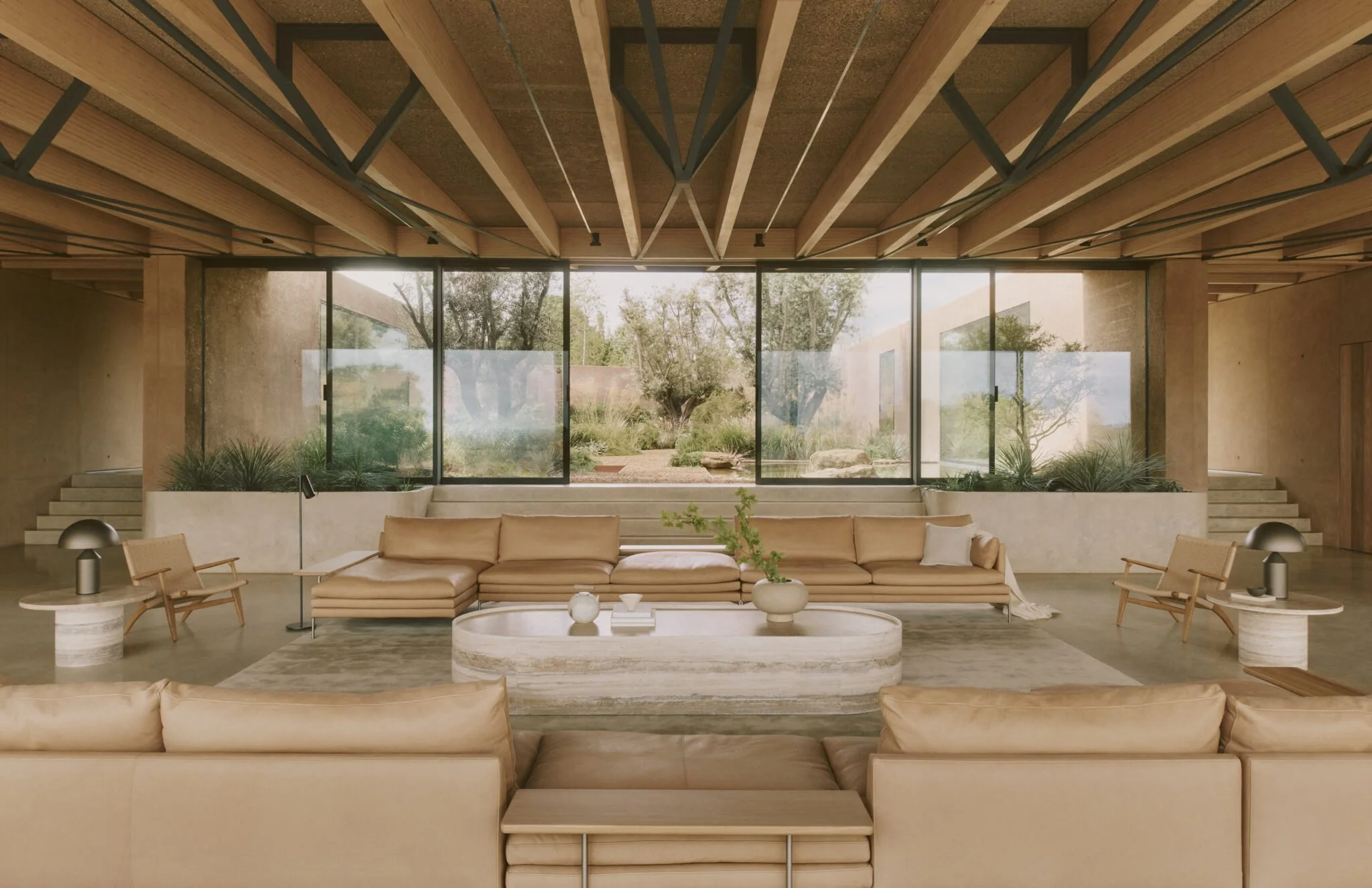
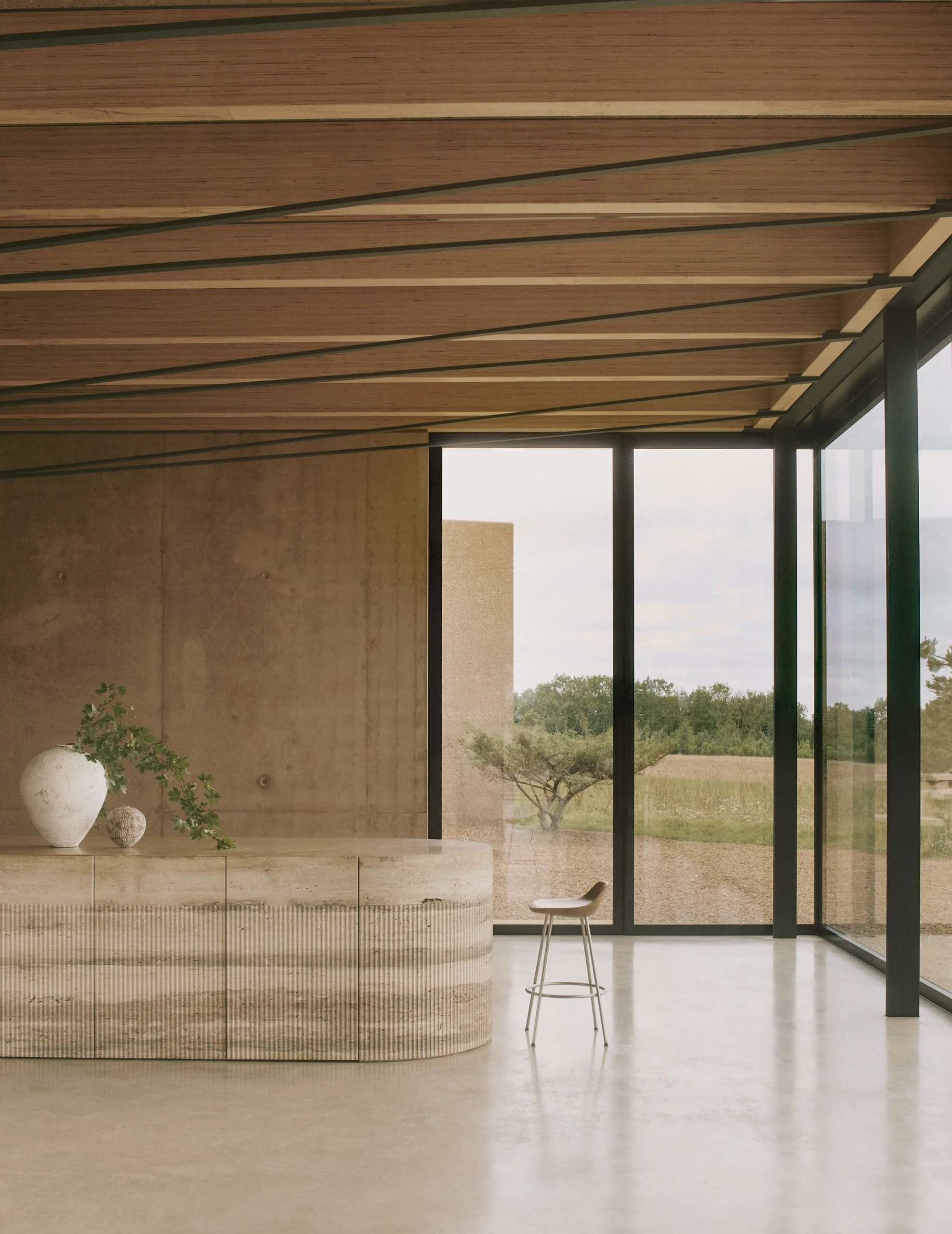
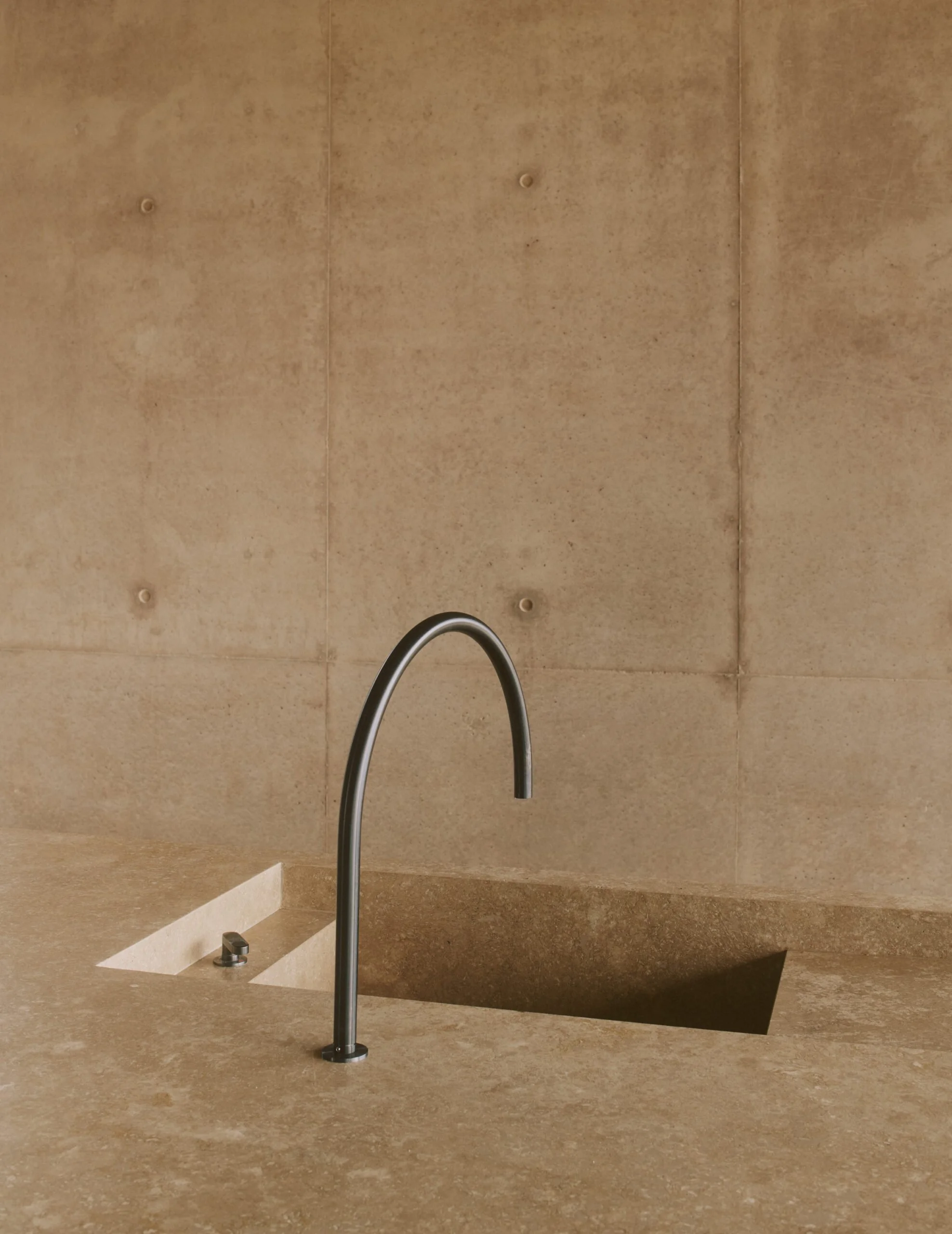
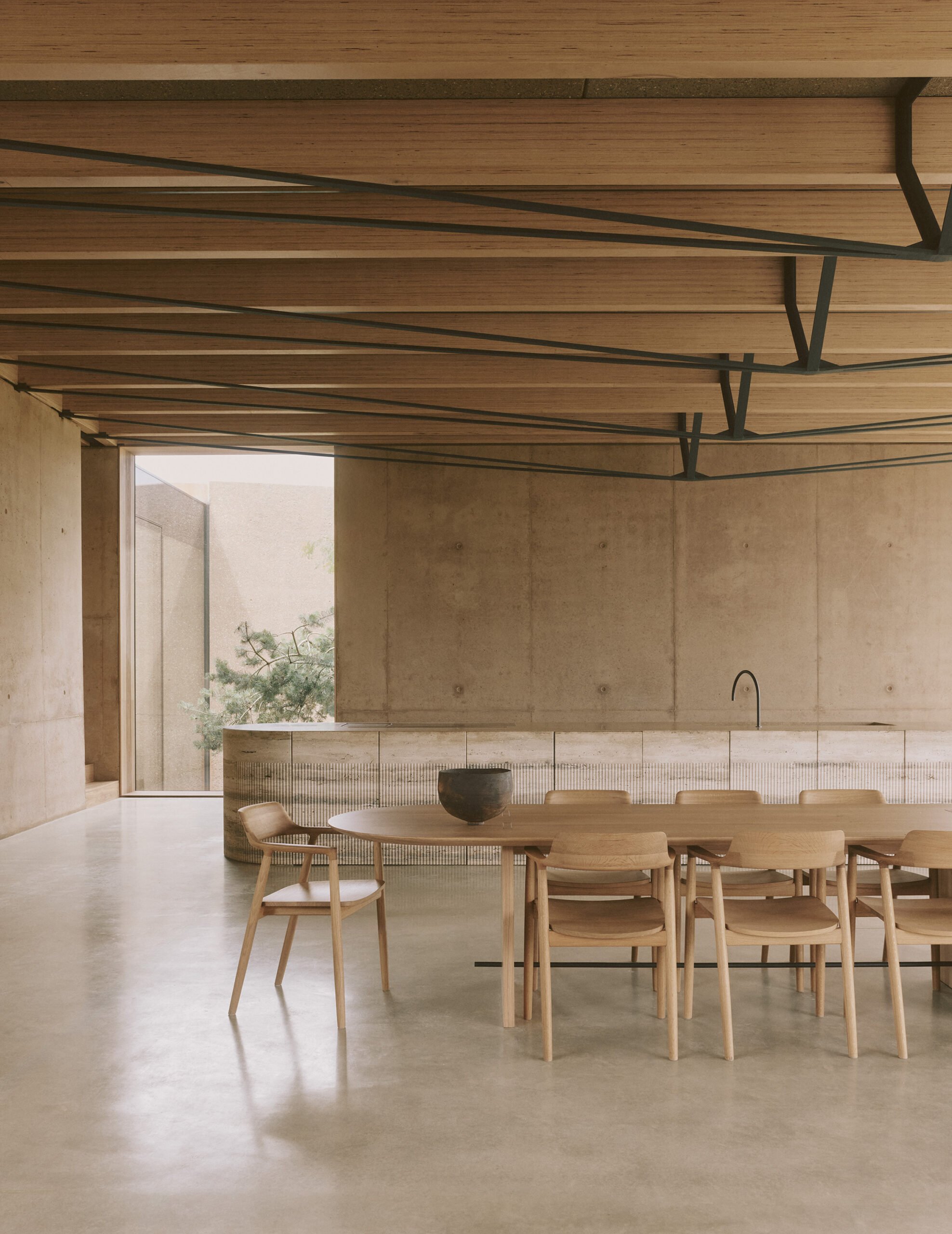
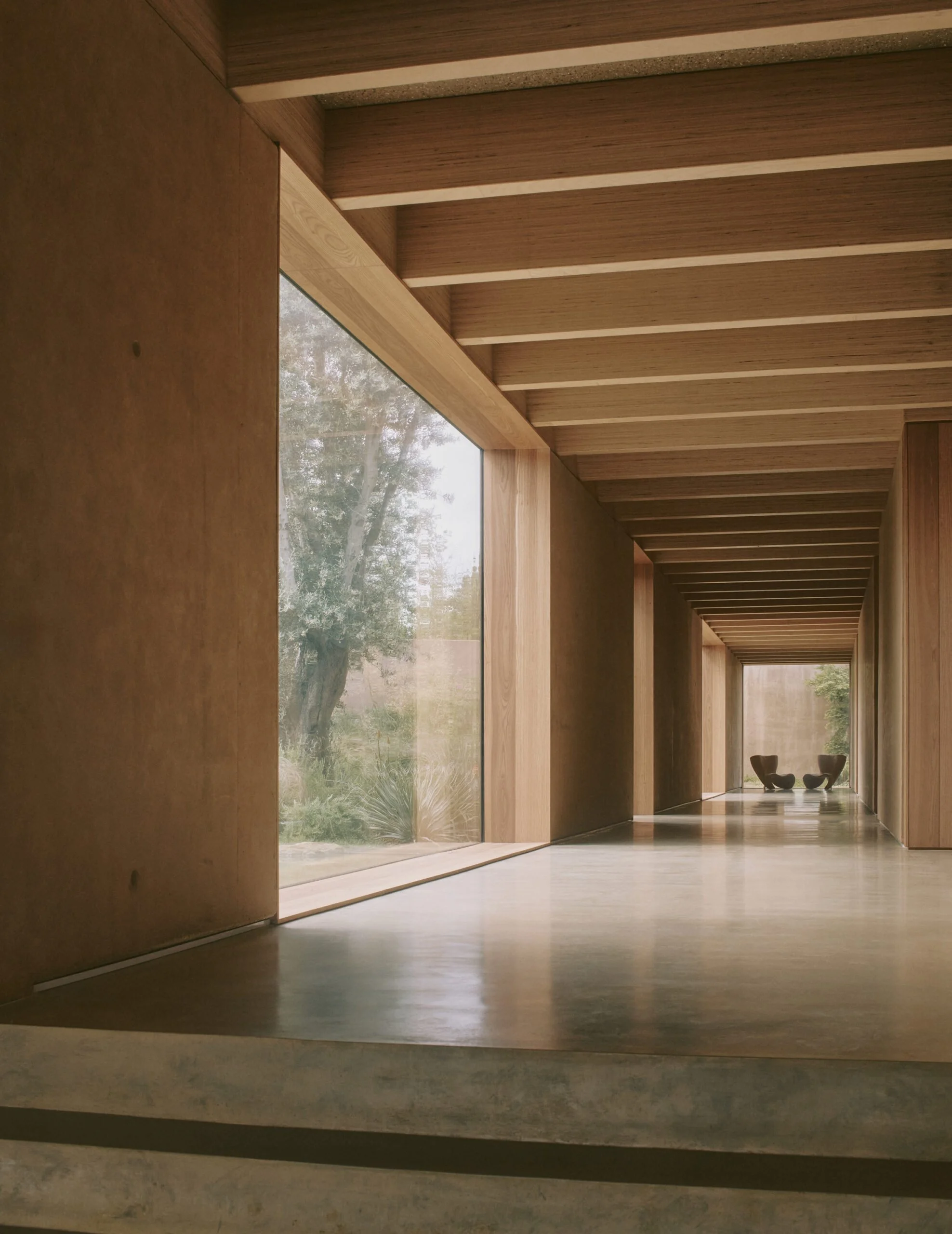
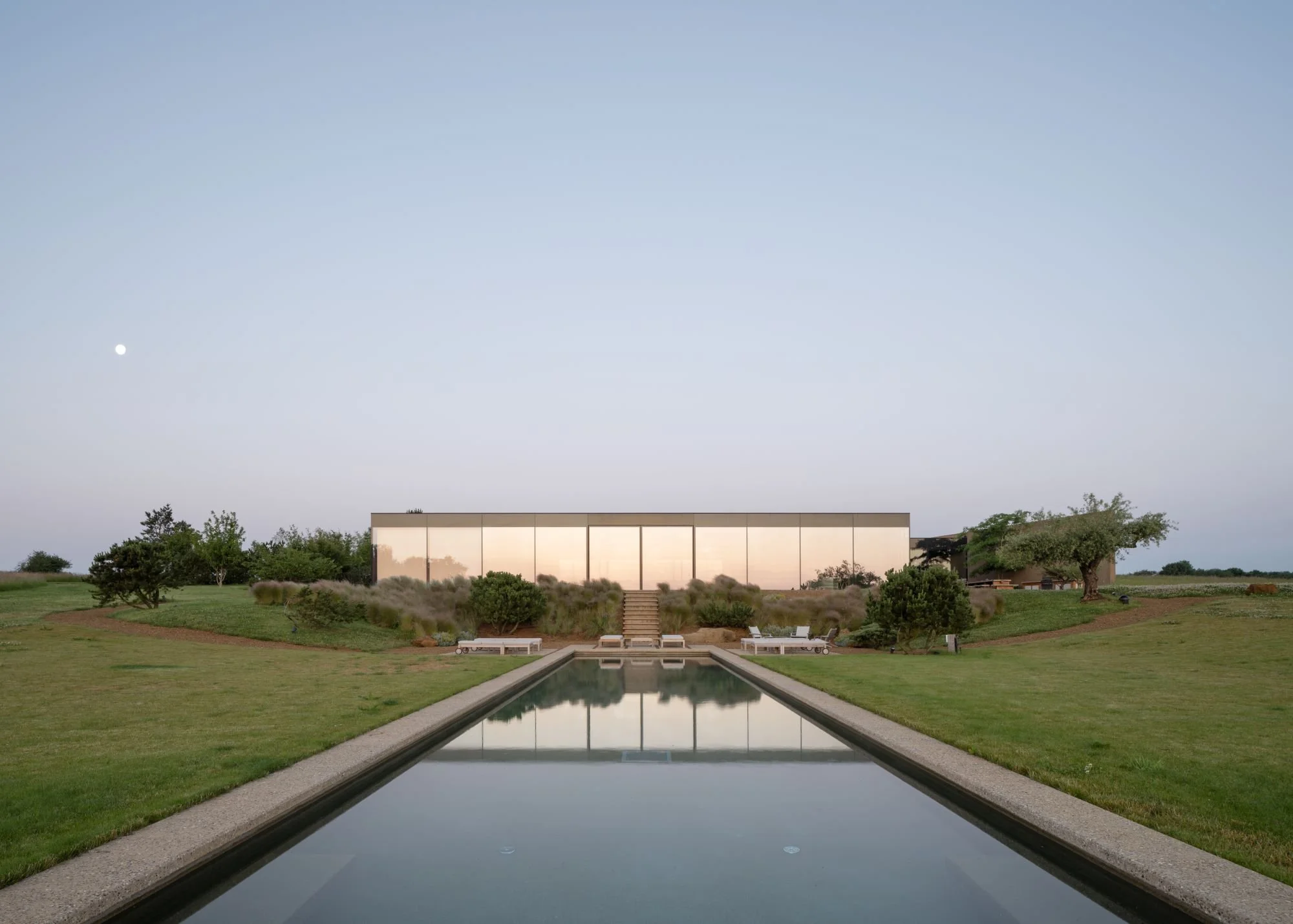
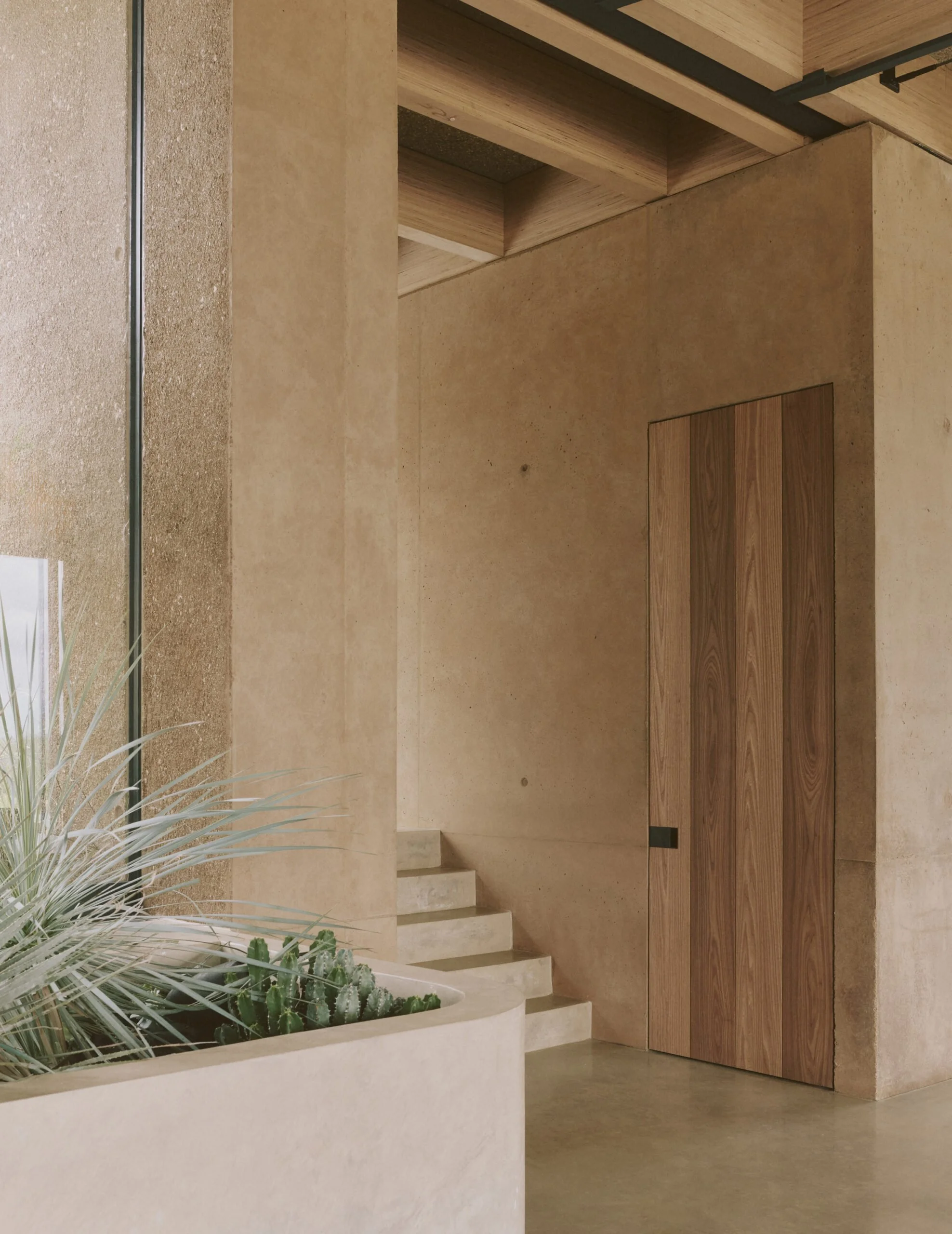
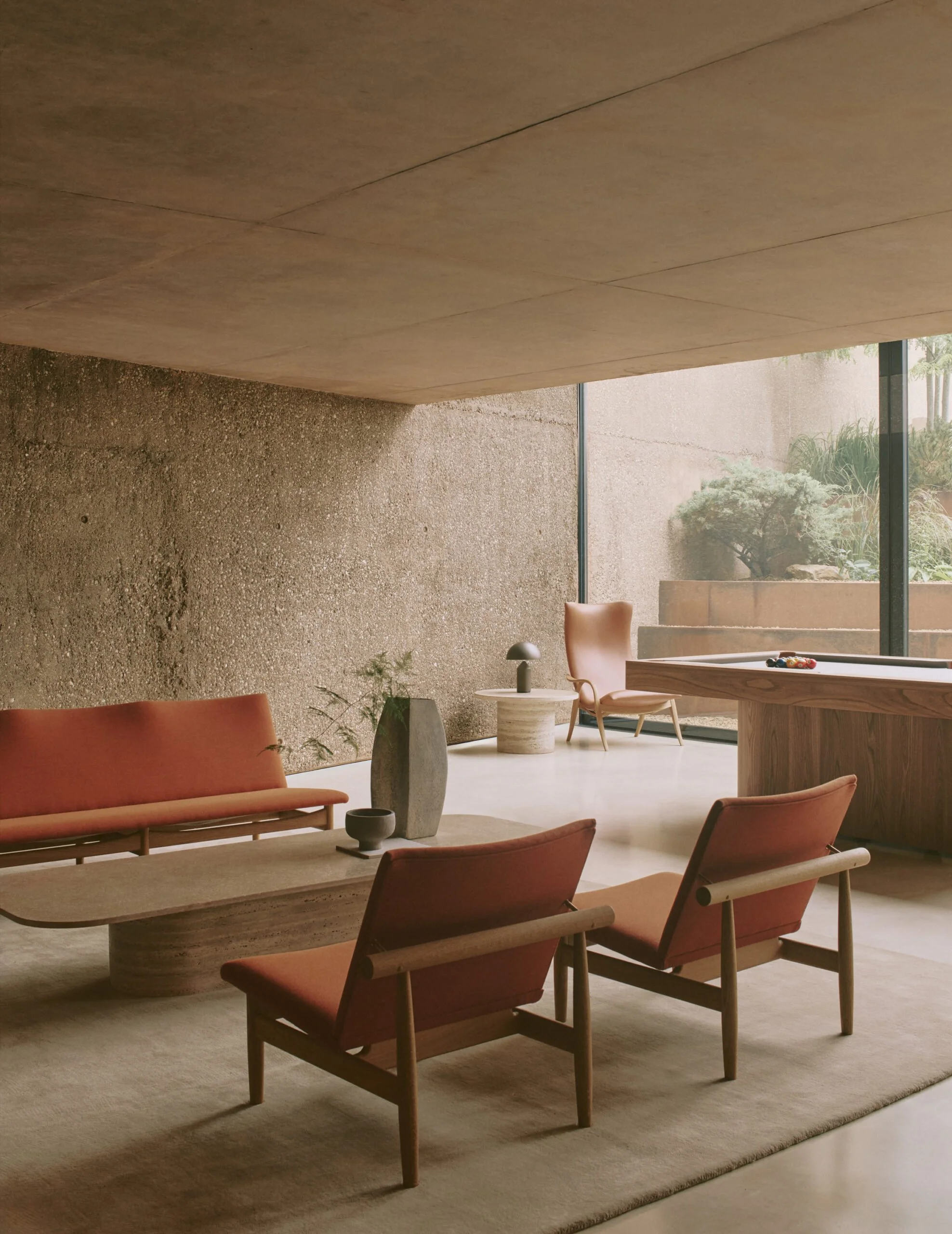
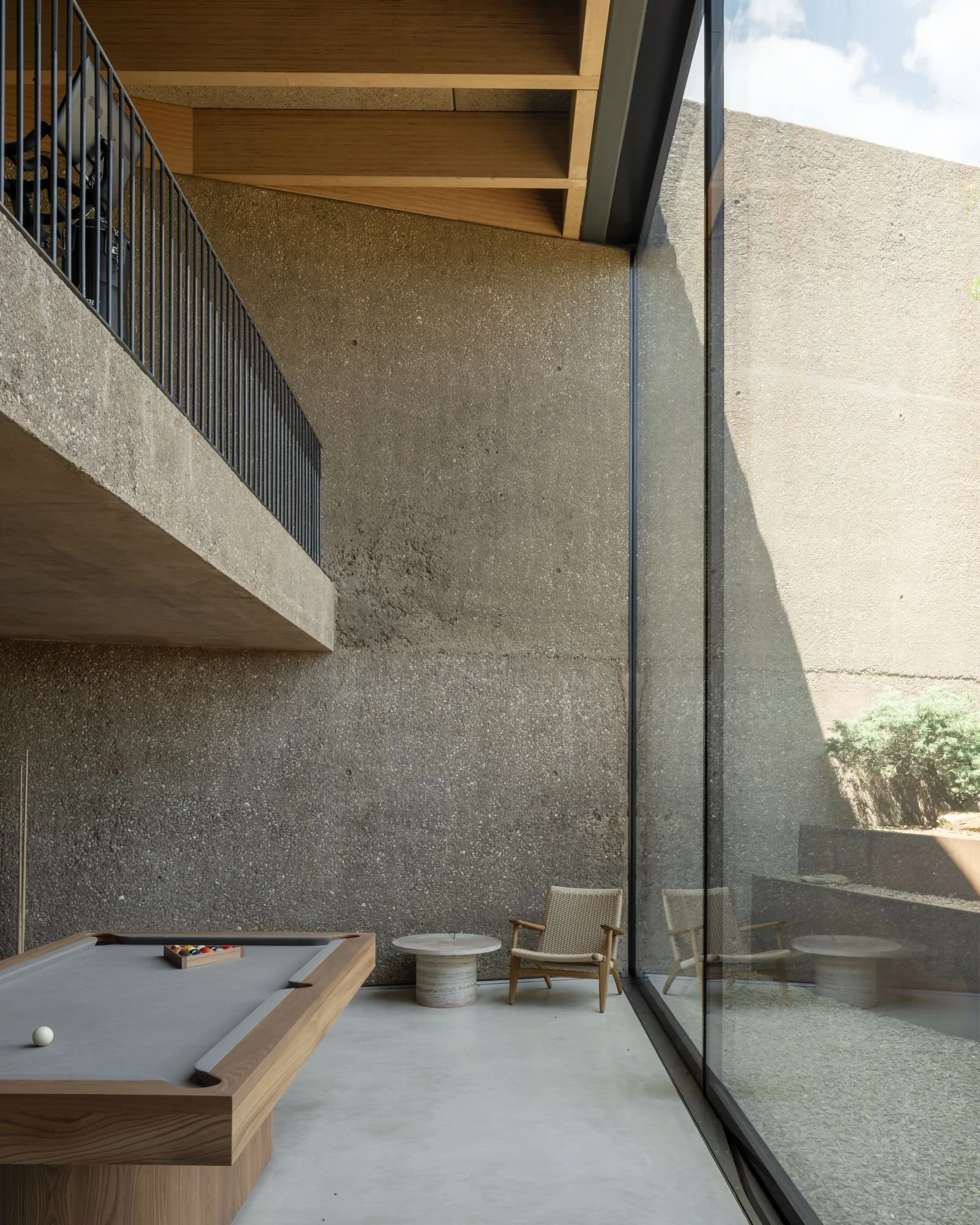
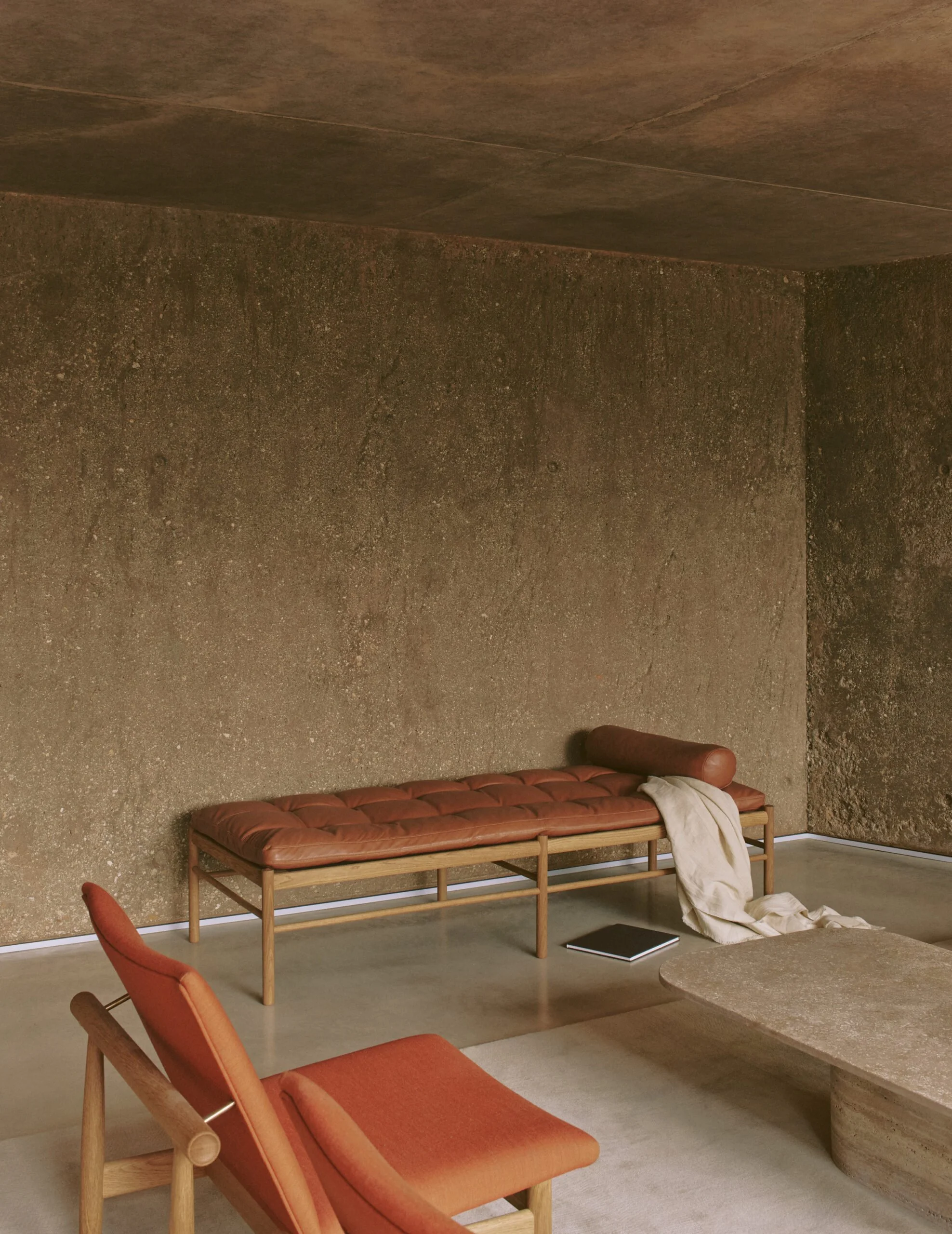
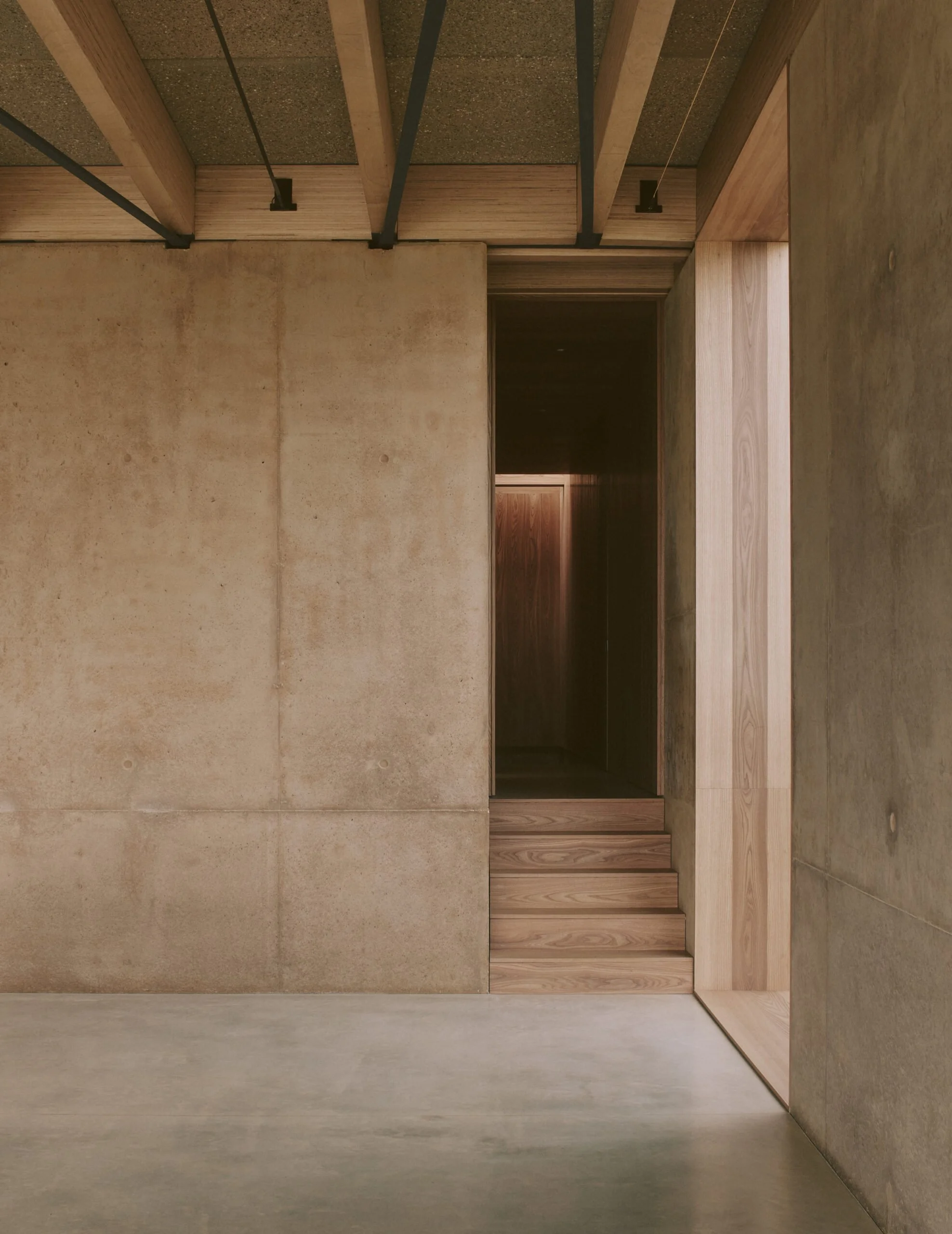
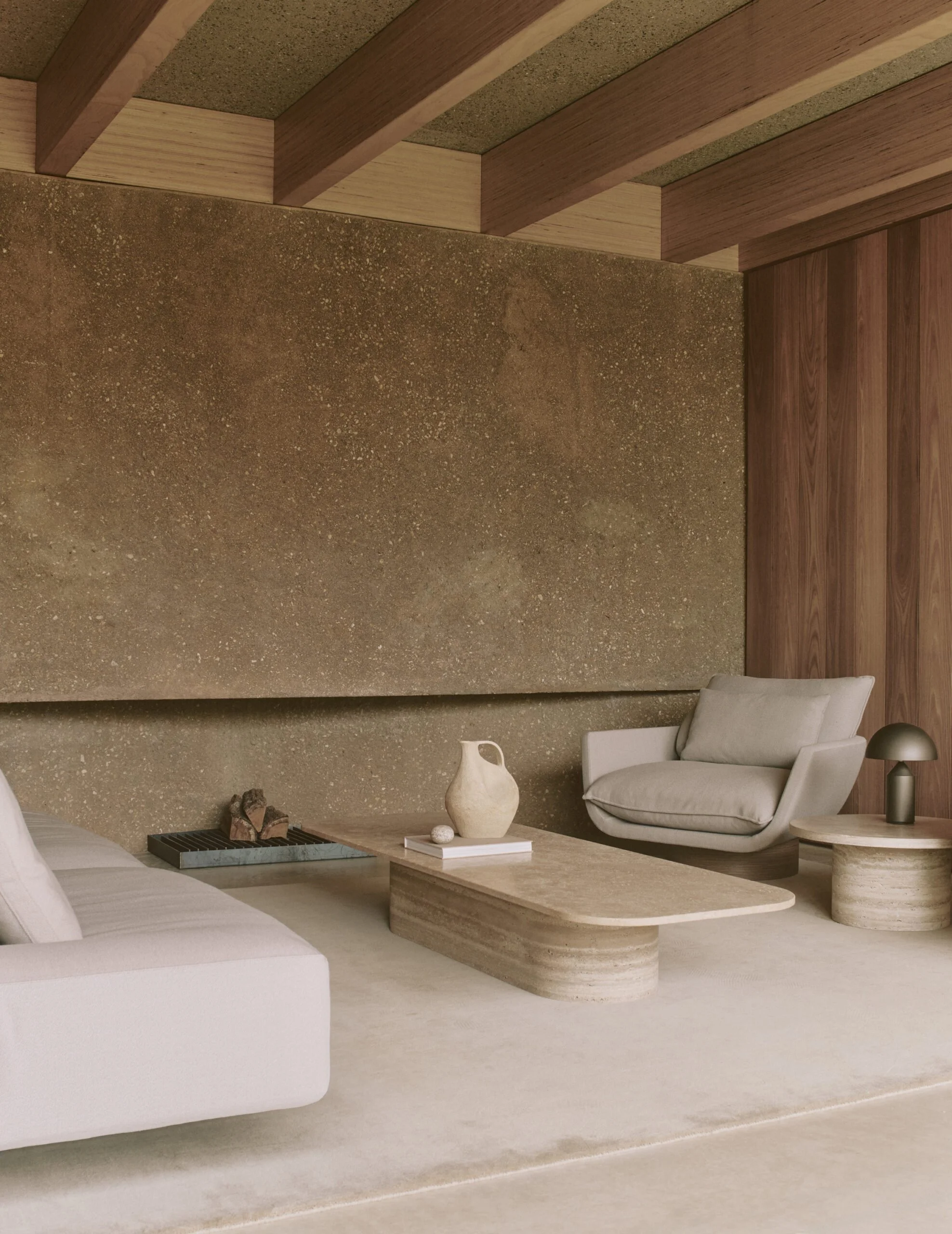
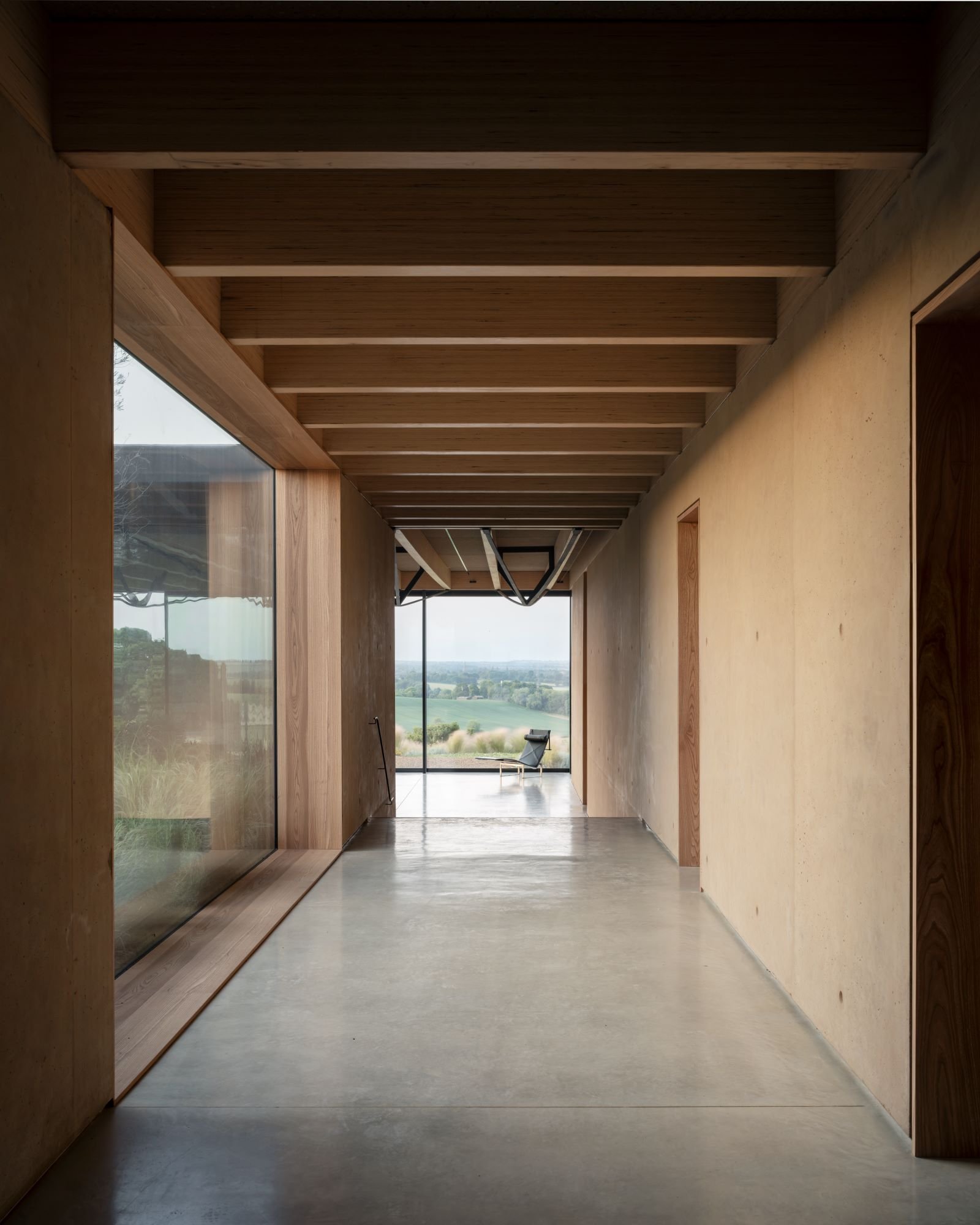
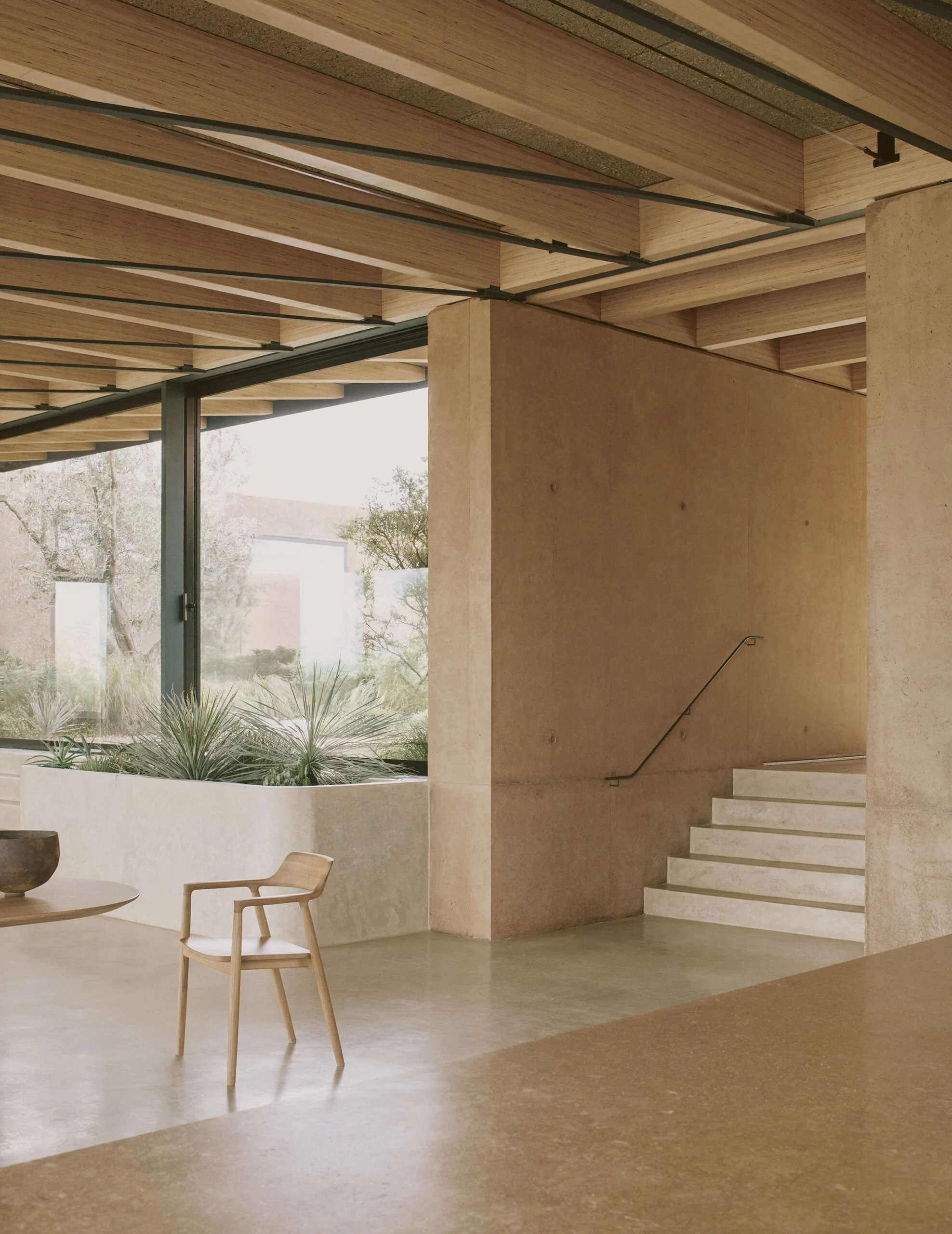
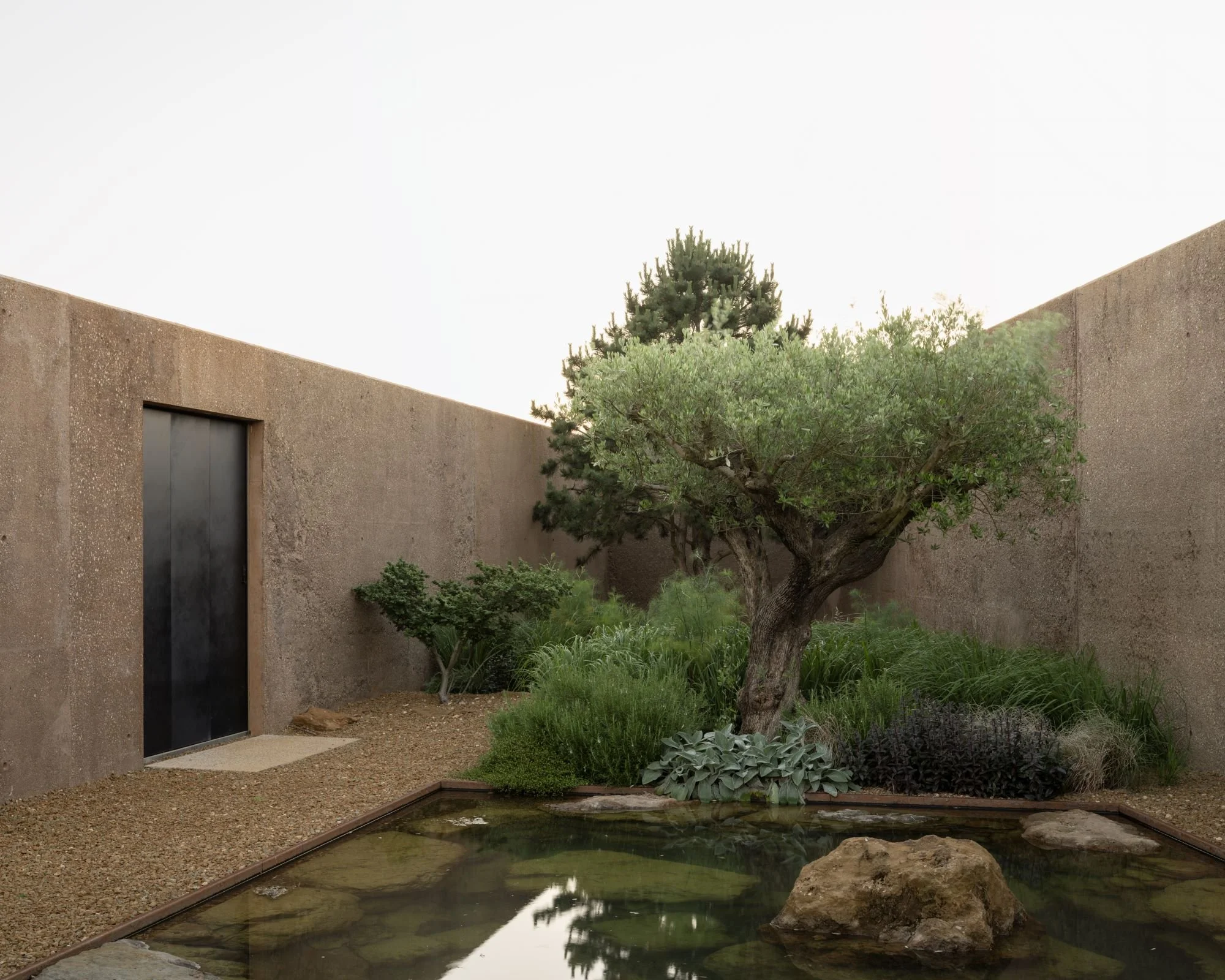
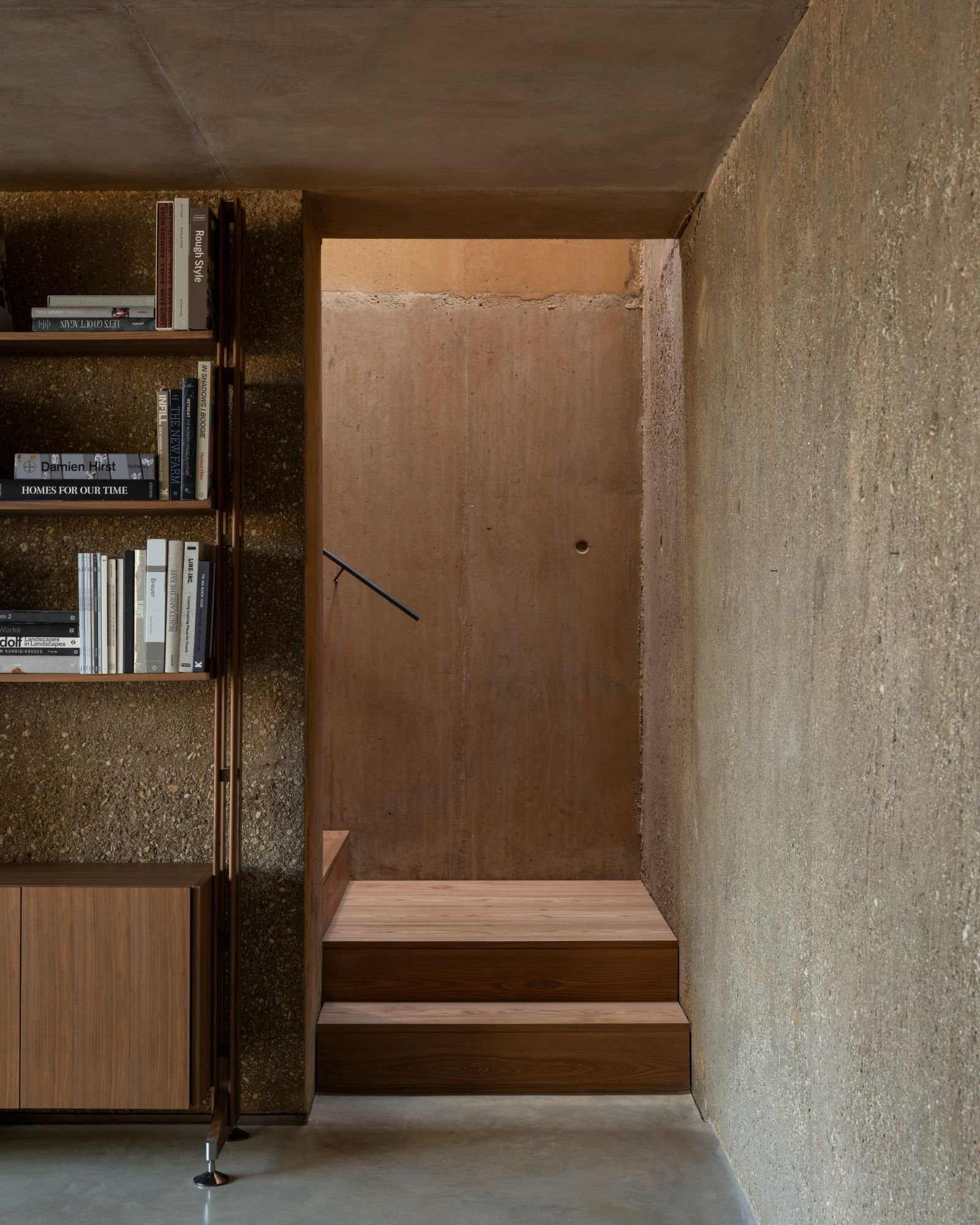
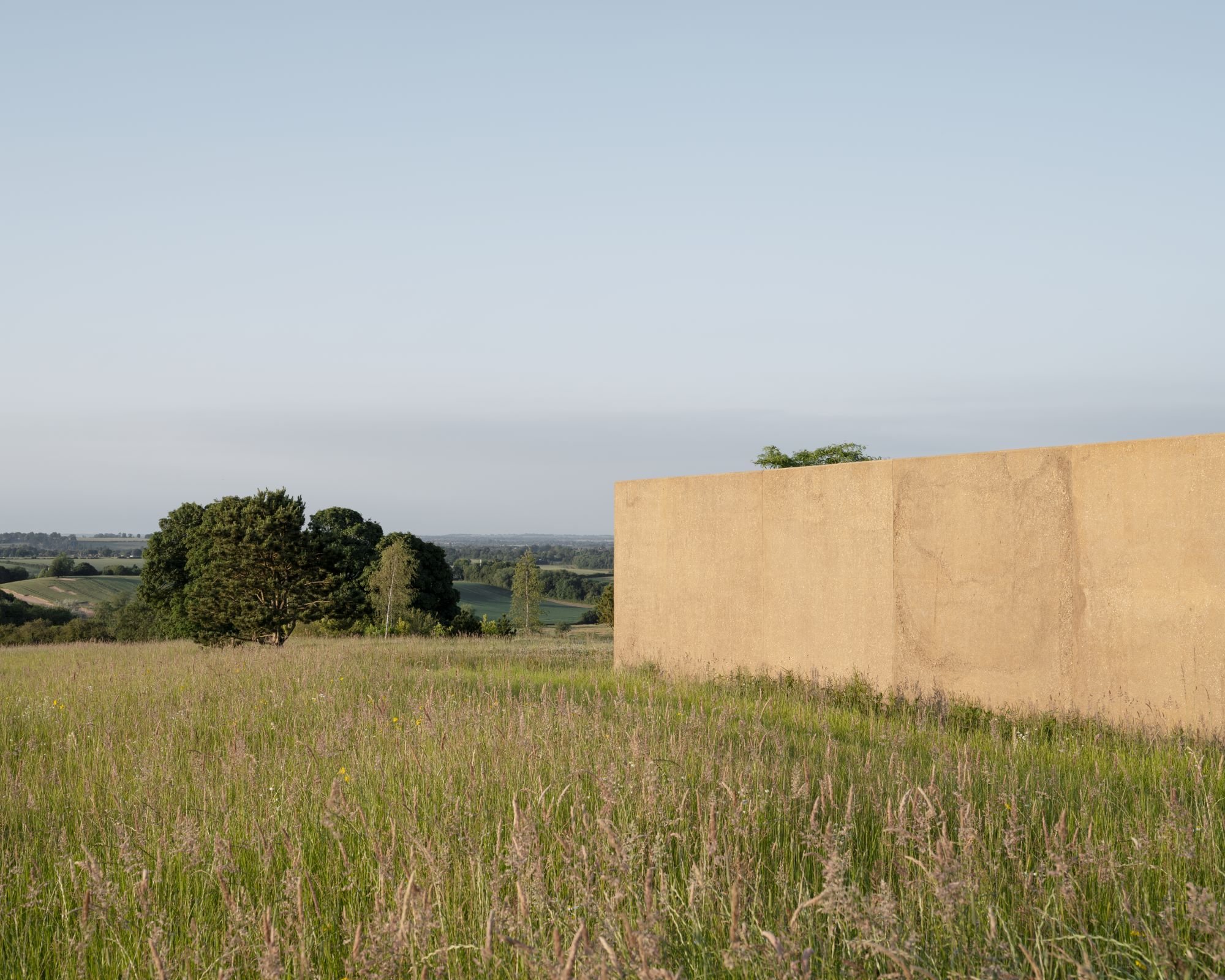
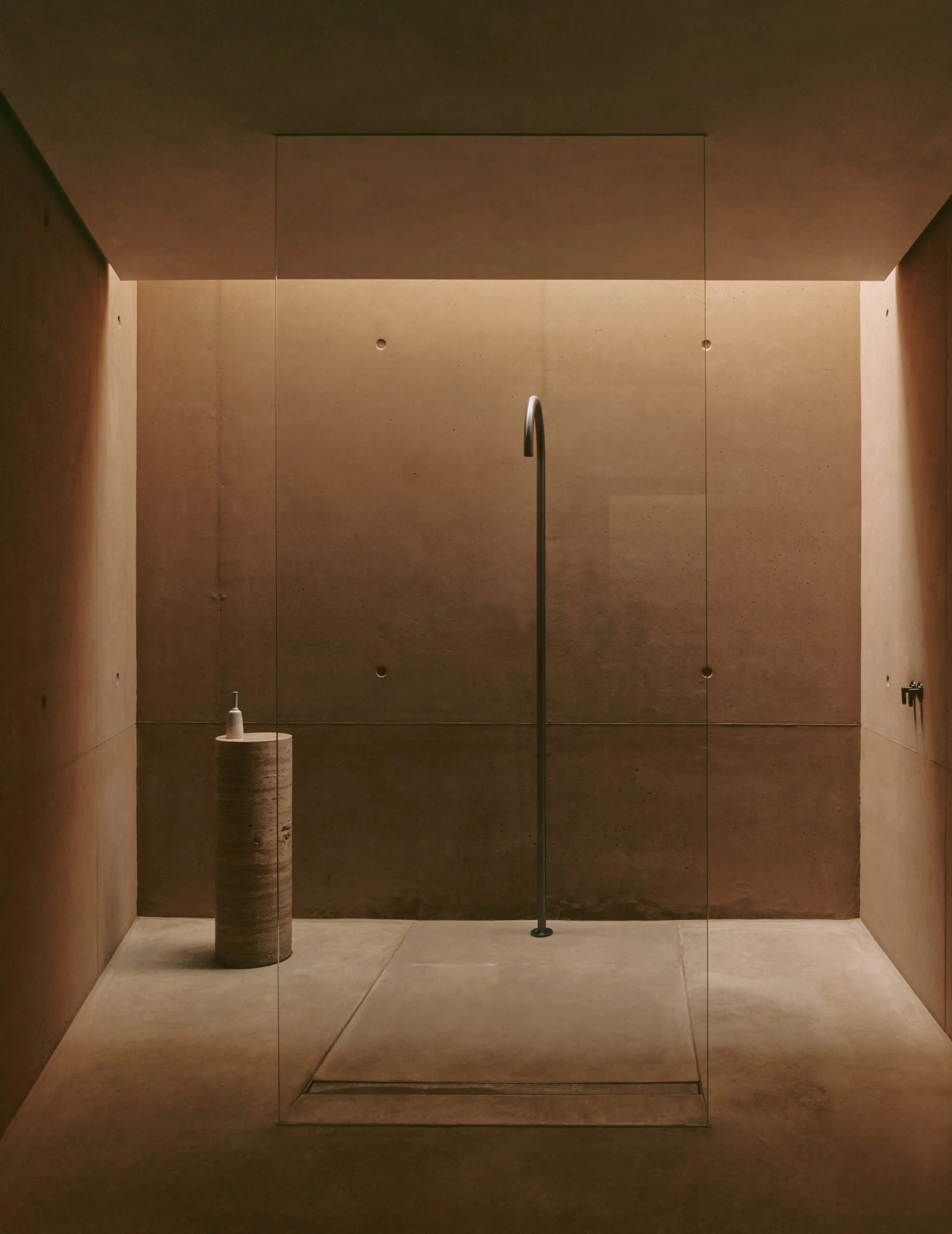
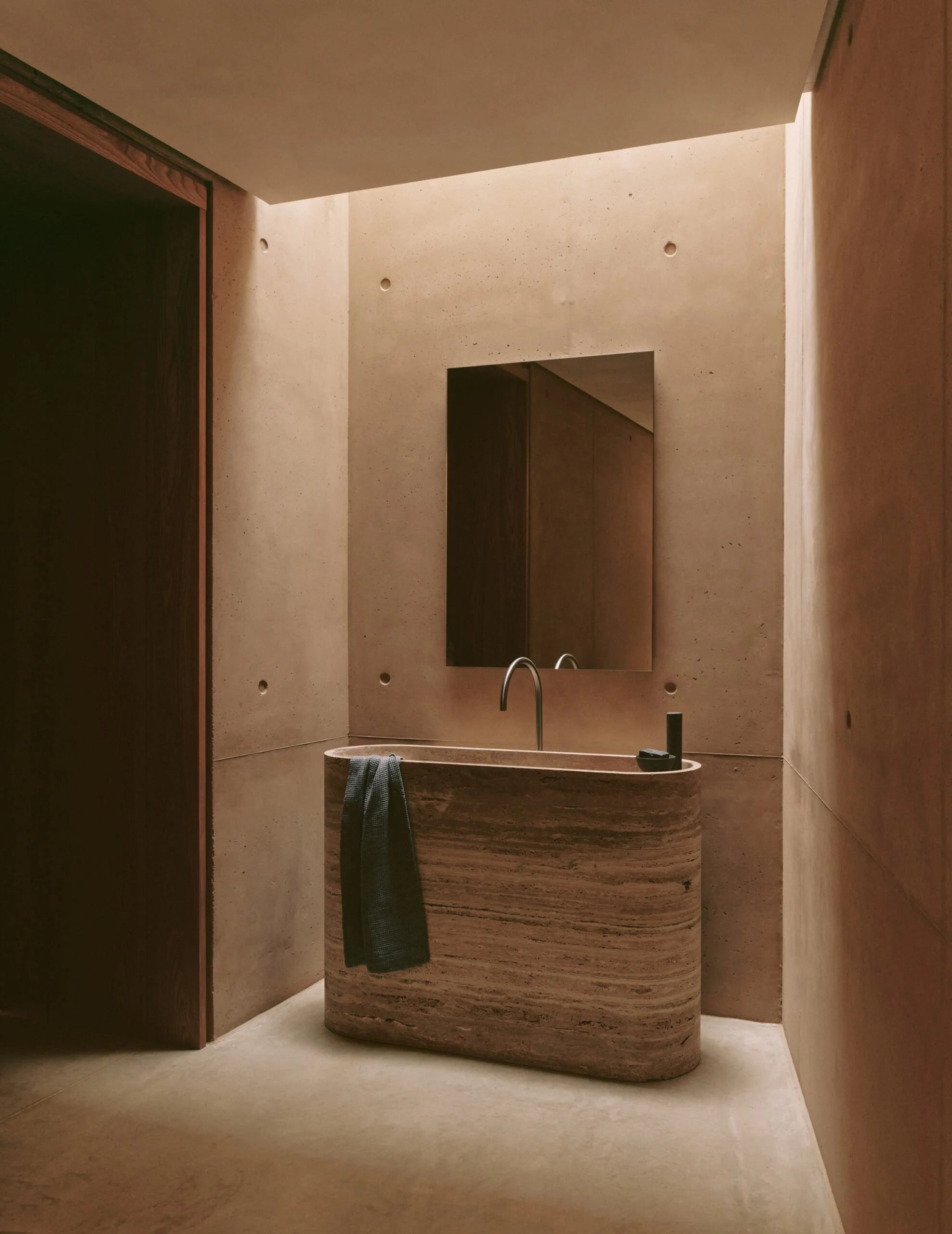
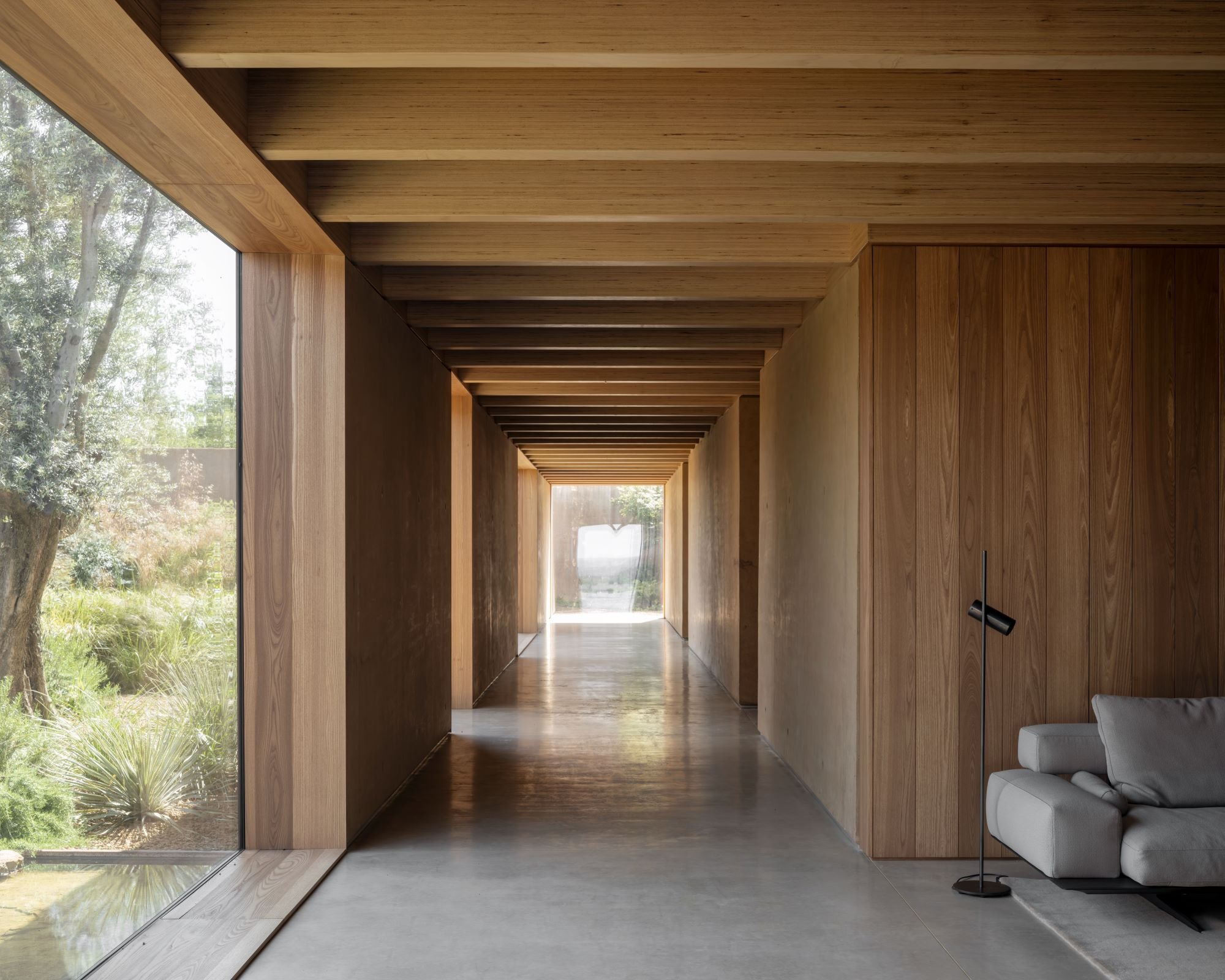
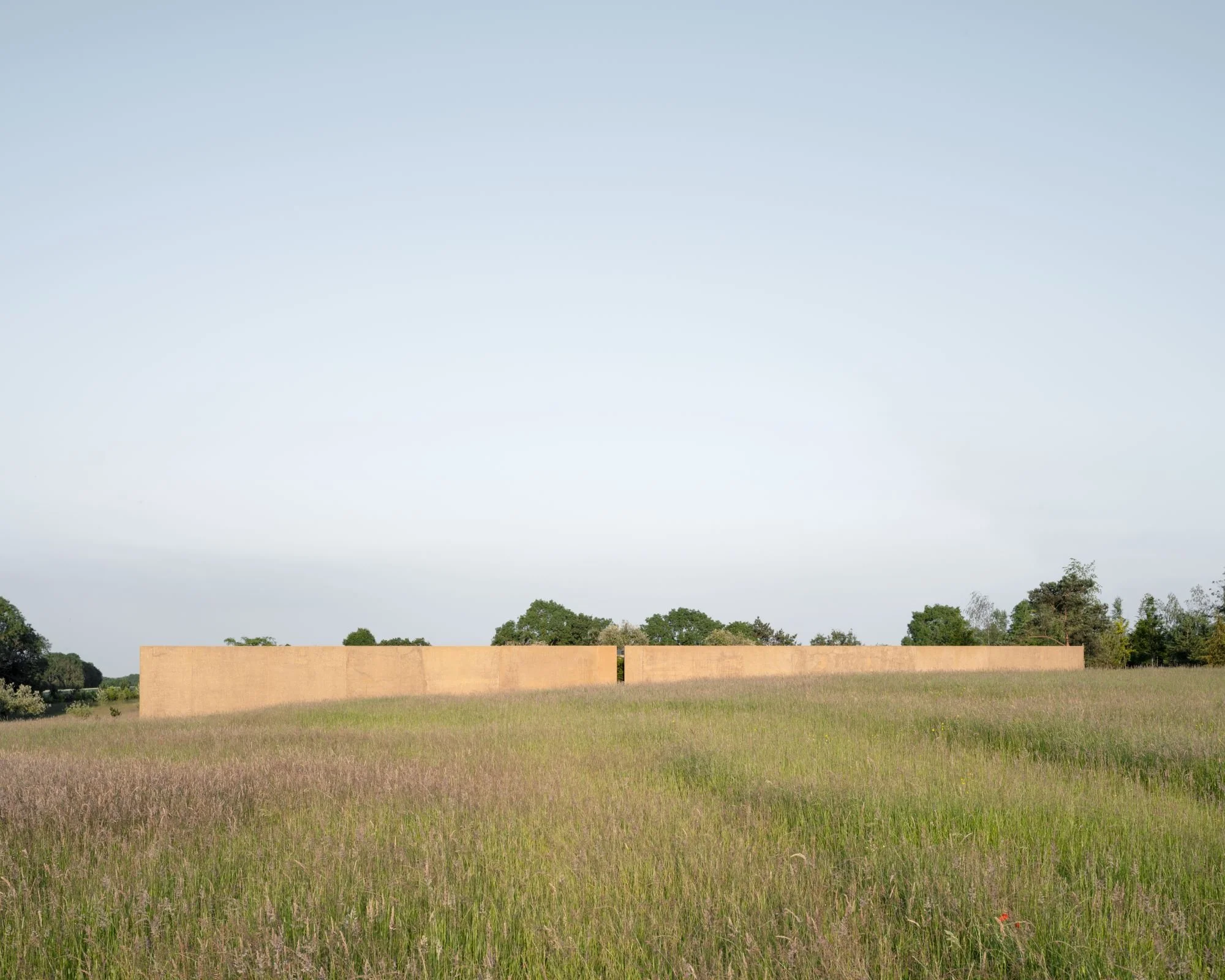
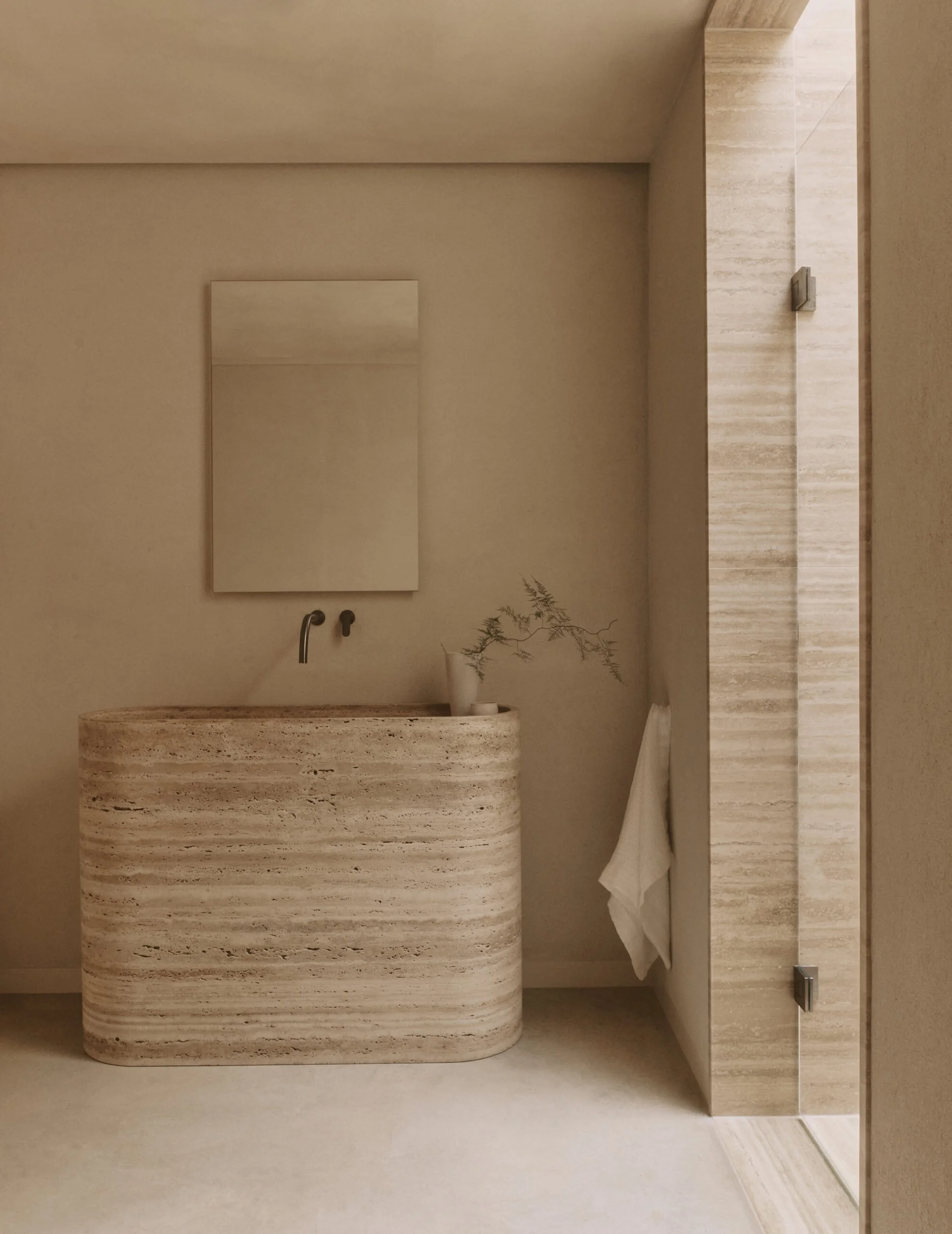
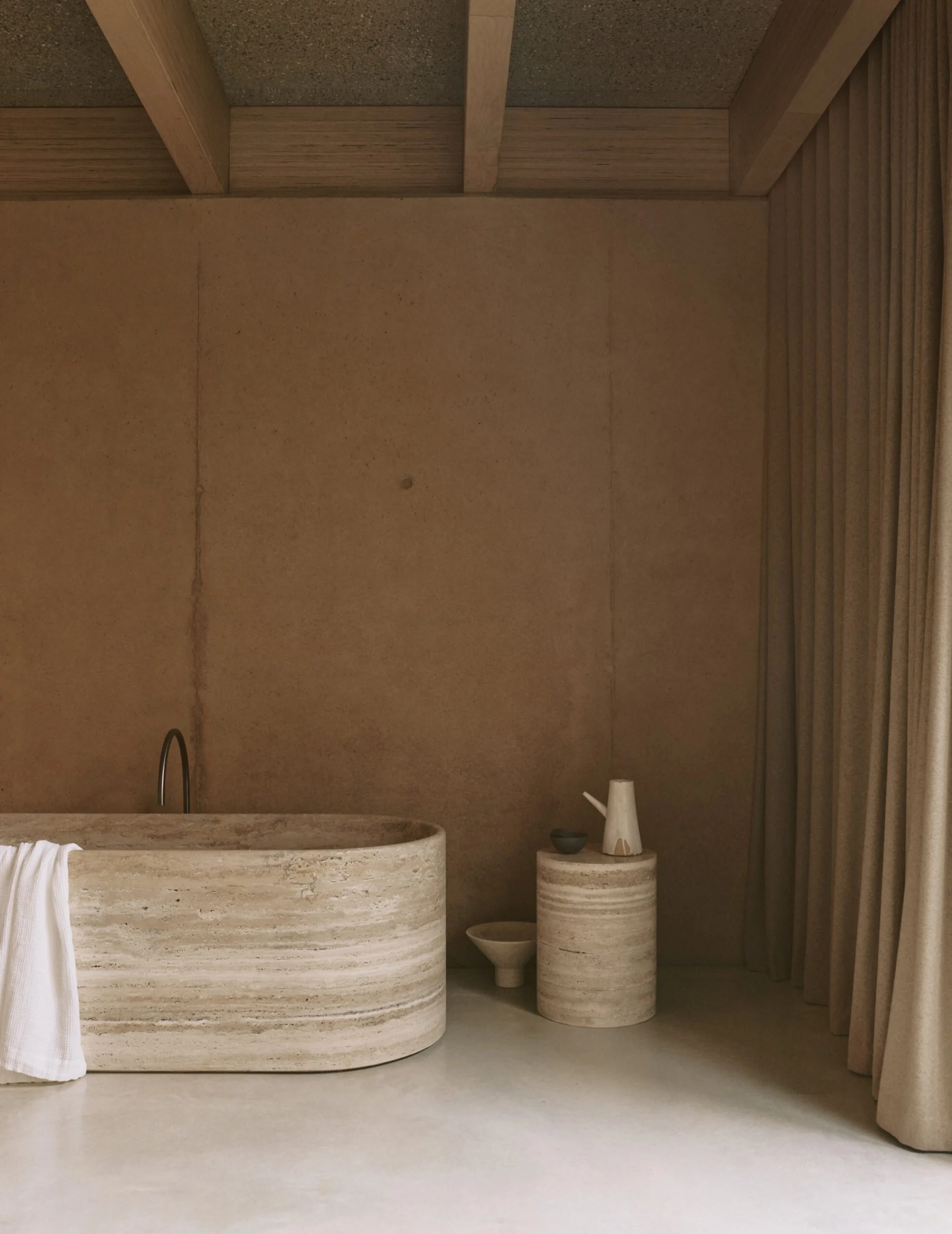
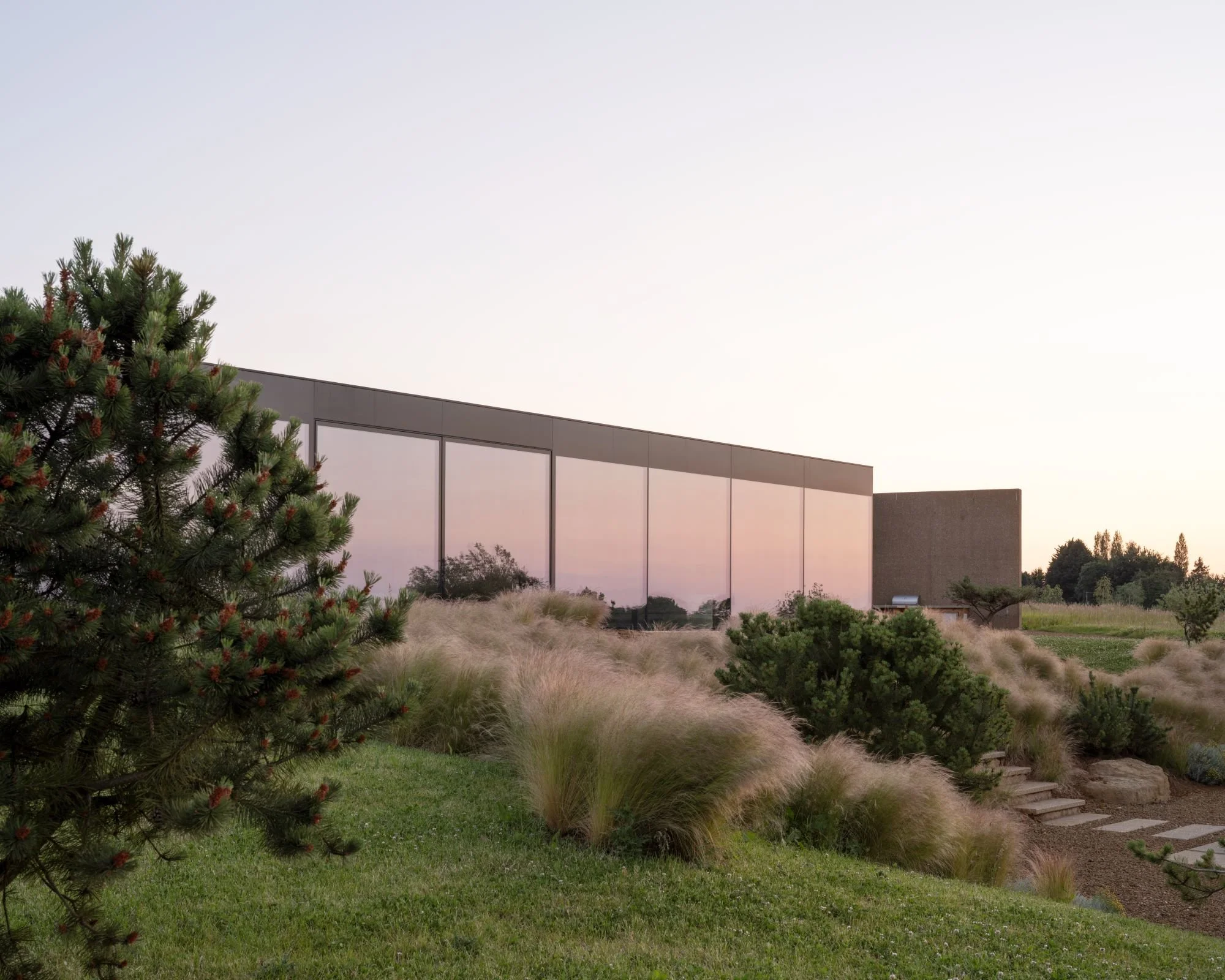
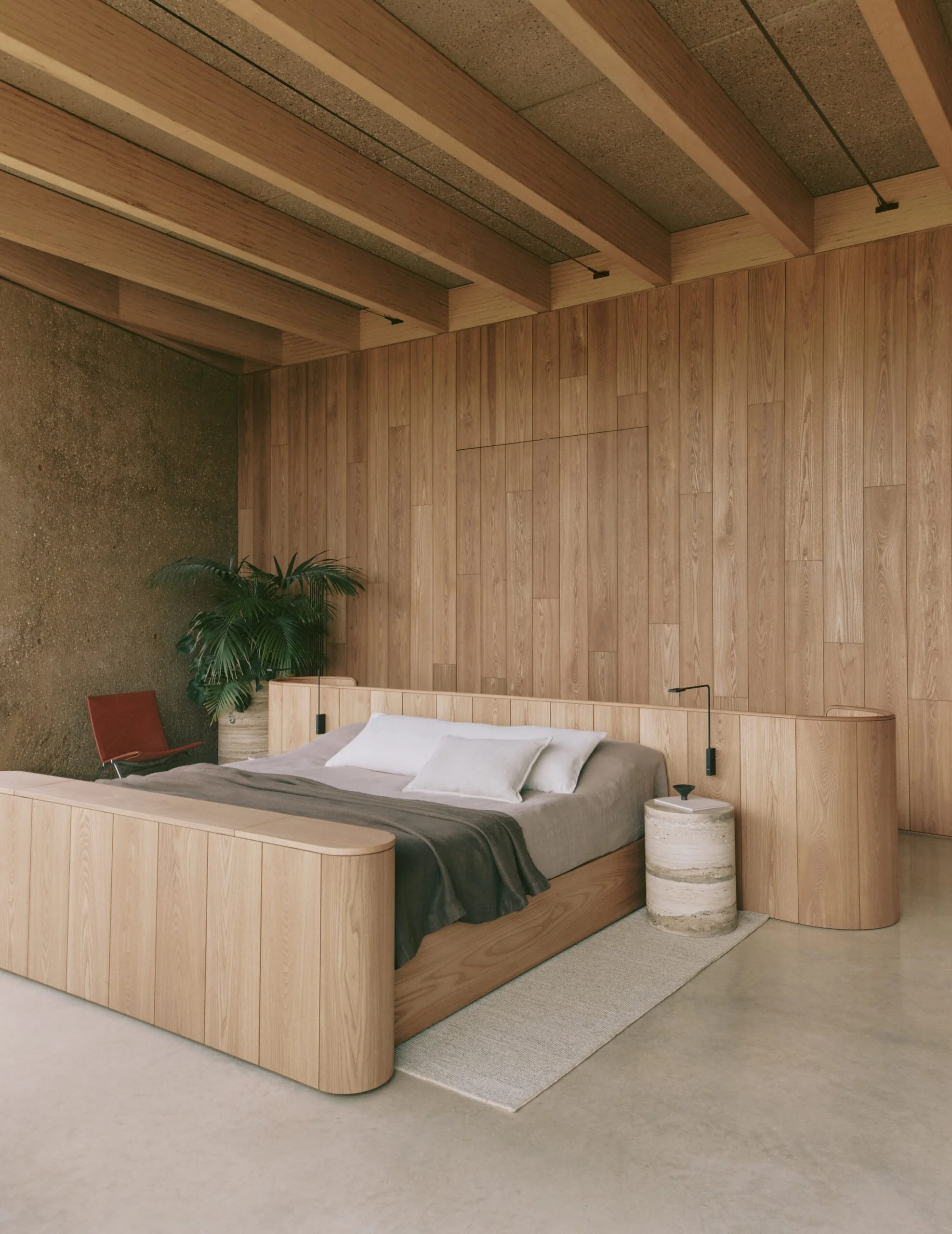
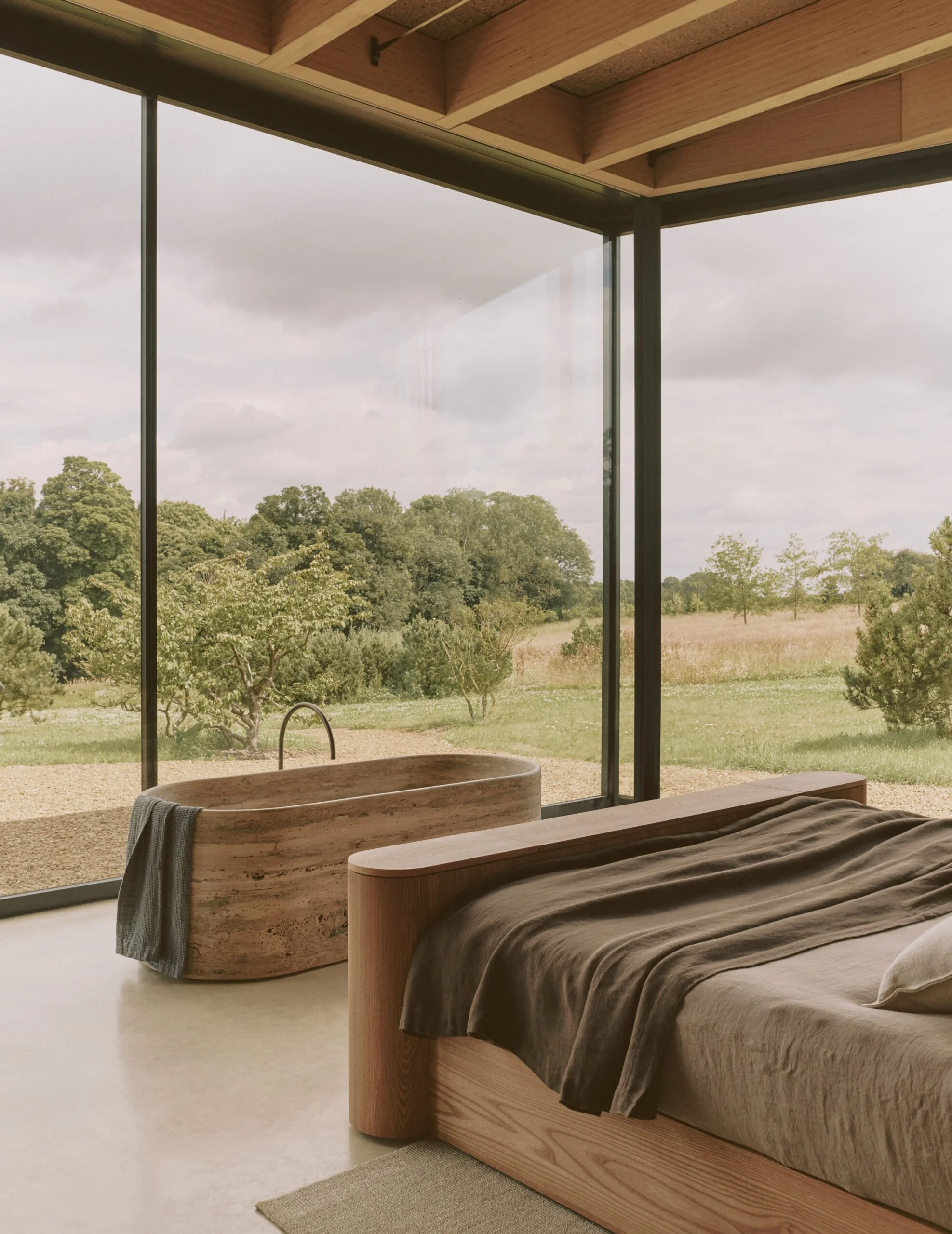
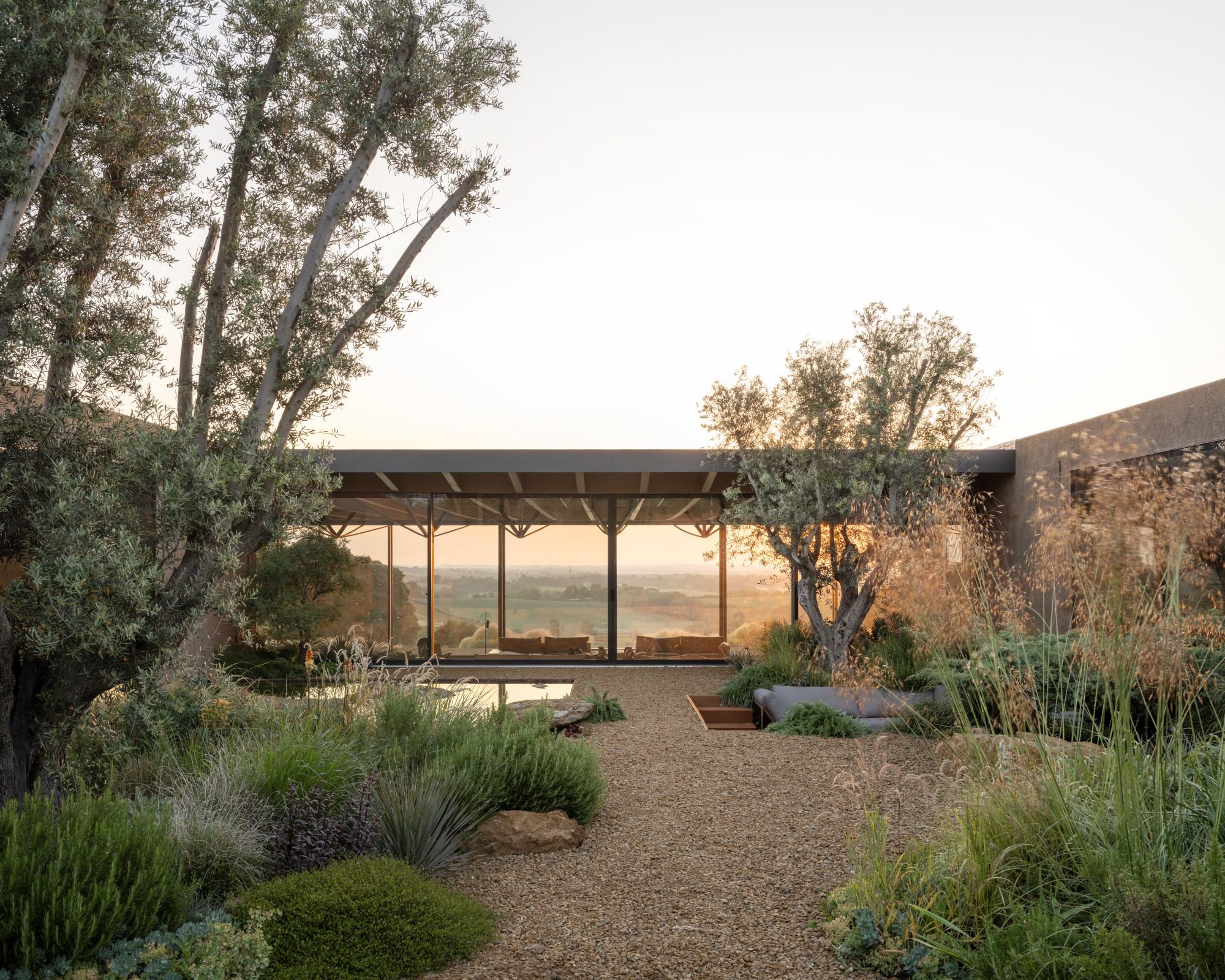
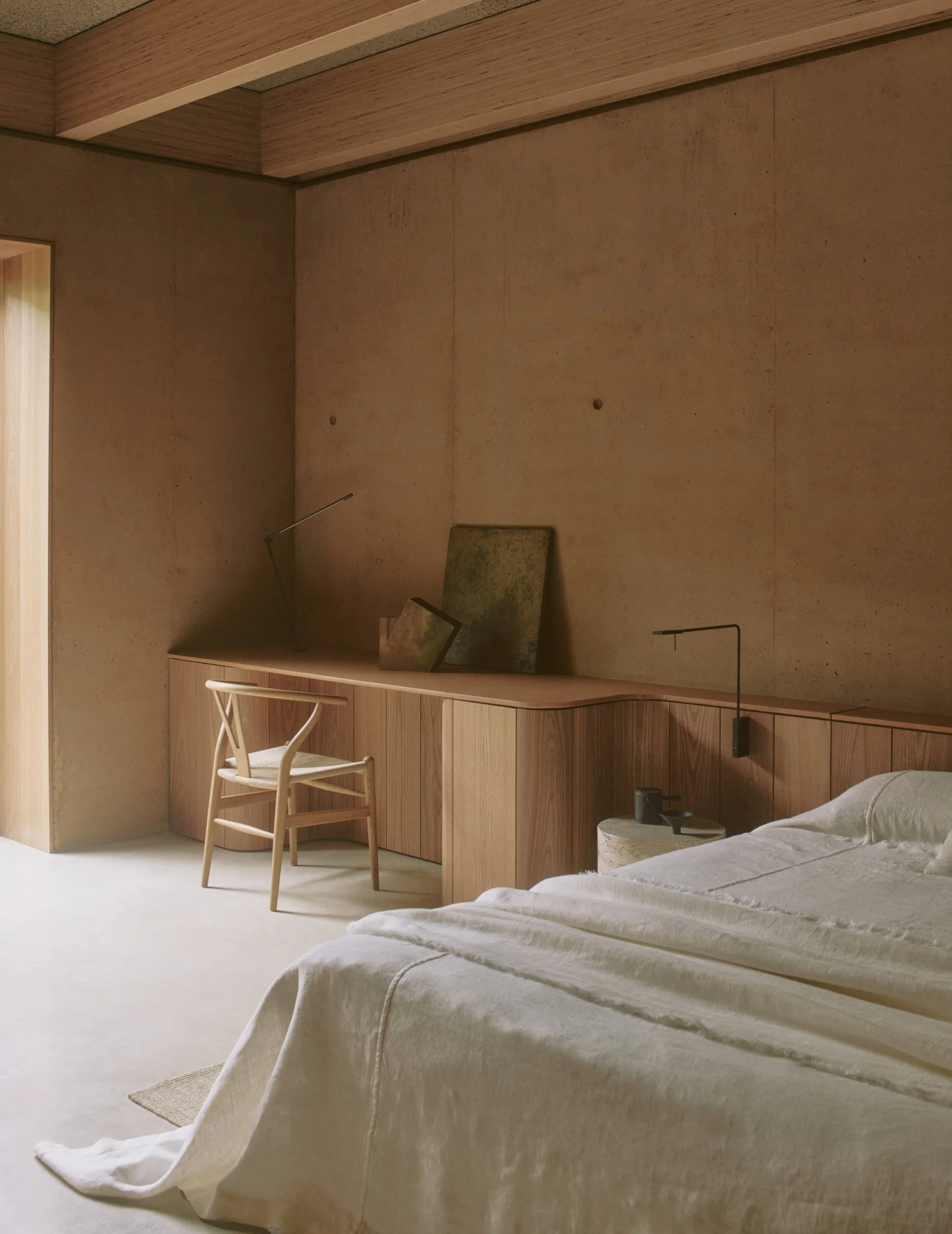
A ZANOTTA-STYLE HOME IN ENGLAND
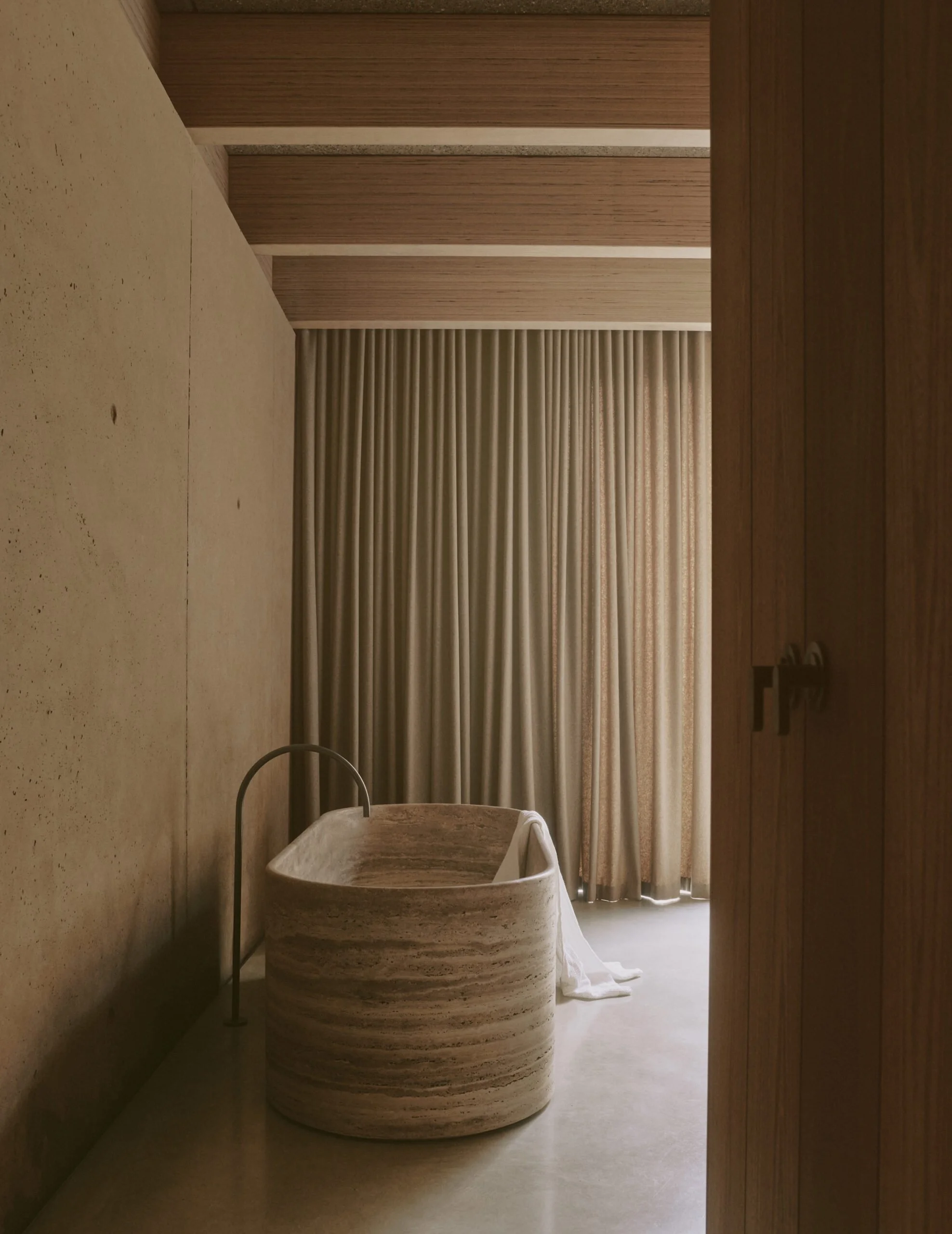
A COMPLETE PROJECT WITH NOVEL
Our team has been working in the interior design field for over 12 years, implementing projects both in Estonia and internationally. We are here to advise you on the selection of furniture, lighting, and finishing materials, and to help you create harmonious and tasteful spaces that feel complete.
In addition to aesthetics, our team has strong technical expertise – we prepare interior design drawings, implement lighting solutions, prepare detailed specifications, and organize the delivery of furnishings to the site.
We operate throughout Europe and are a determined partner in providing comprehensive solutions.