3DAYSOFDESIGN 2026
Every June , Copenhagen becomes the epicenter of the design world. 3daysofdesign is not just a trade show or a series of exhibitions—it is a celebration of design, a meeting place for creative minds, brands, architects, and design enthusiasts from around the world. The city fills with exhibitions, installations, new collections, and conversations that shape the present and future of design.
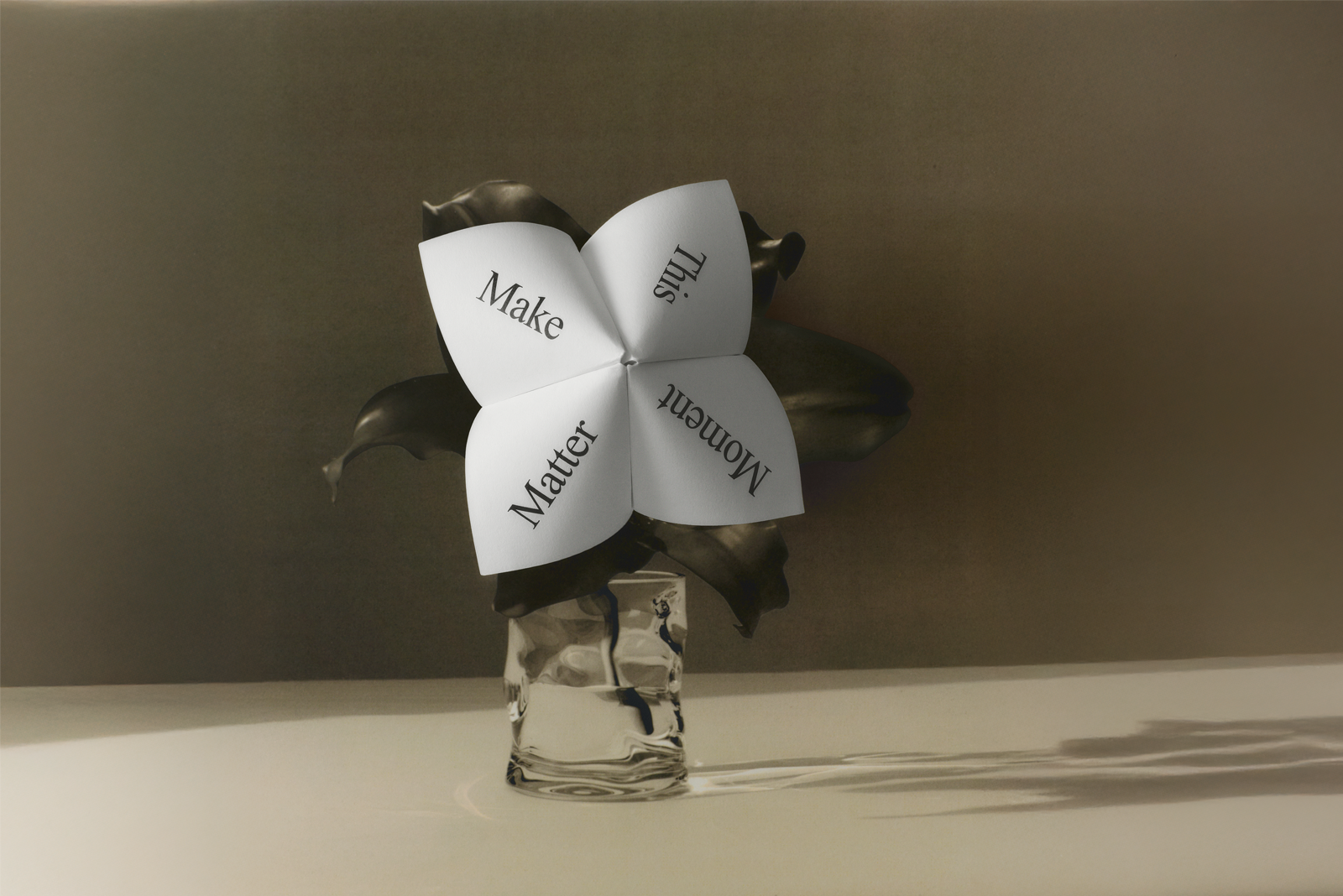
The theme for 2026 was "Make This Moment Matter" —a call to cherish the present and create meaningful design. While the past offers inspiration and the future offers possibilities, the decisions that truly matter are made today. The materials we choose. The spaces we design. The communities we build. Every design decision carries with it an impact and the opportunity to shape a better tomorrow.
This year, too, many our partner brandswere present, showcasing new products, ideas, and collaborative projects. Among them were both timeless classics and fresh trends that reflect the evolving role of design in our homes, workspaces, and daily lives. Below, we share moments, discoveries, and inspiration from this year’s 3daysofdesign—an event that reminds us that good design doesn’t just fill a space; it creates meaning.
Keep reading to discover highlights from 3daysofdesign featuring Vipp, Astep, and J. Adams & Co., as well as inspiring collaborative projects from Agape, Agapecas, and Davide Groppi, and from Meridian, Ceccotti Collezione, and CTO Lighting.
VIPP x MESURA – FROM GUEST HOUSE TO PLAYGROUND
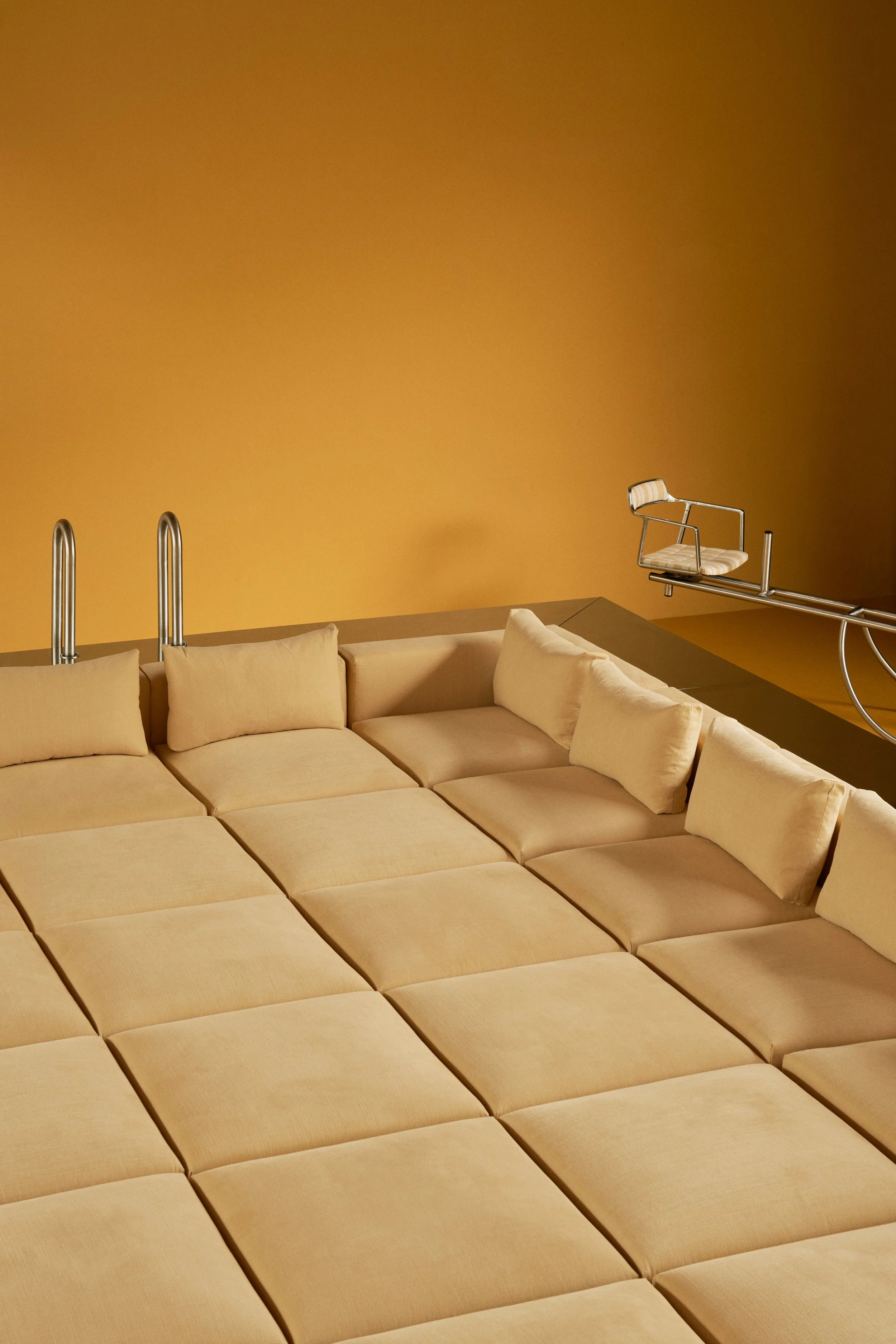
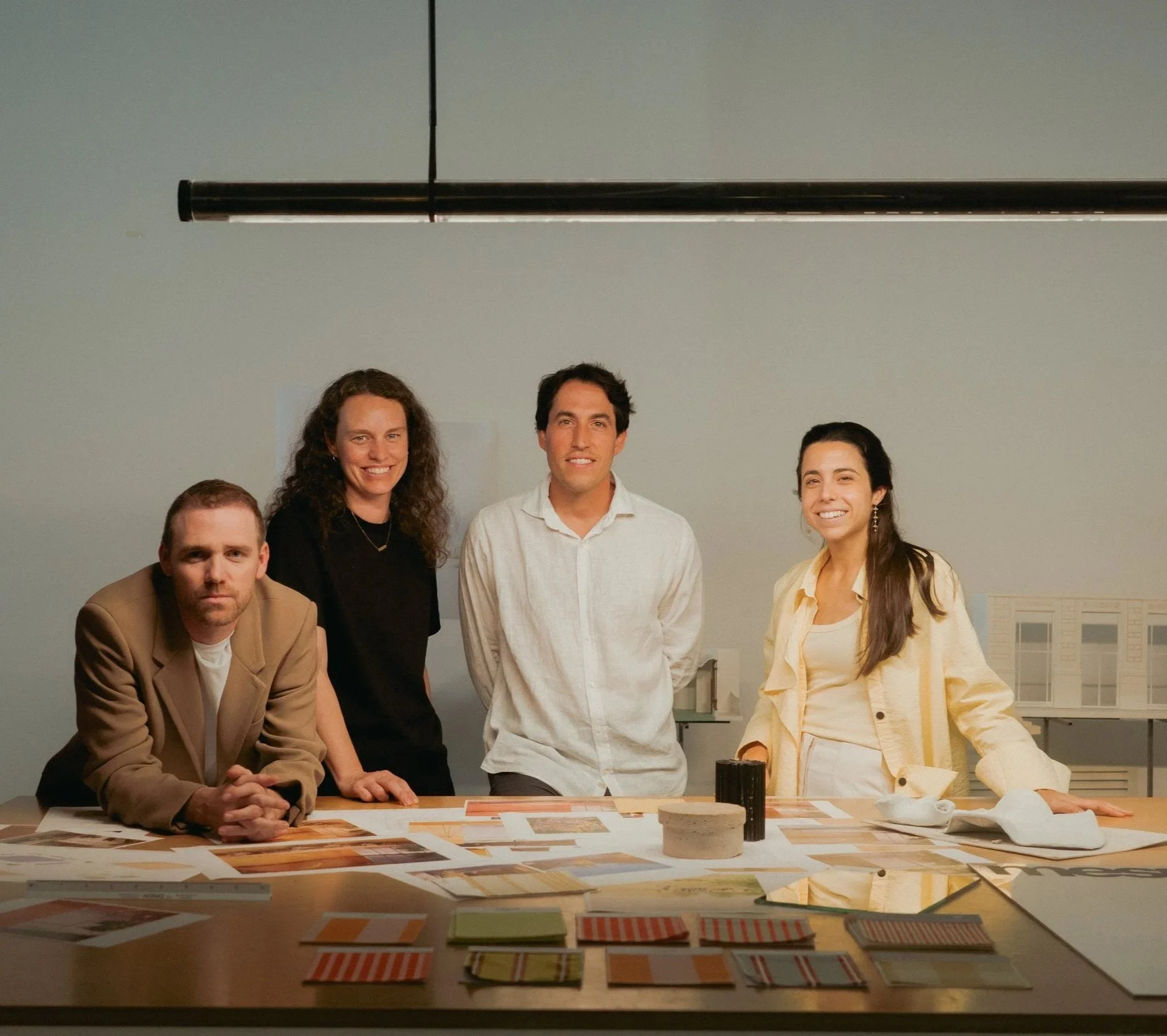
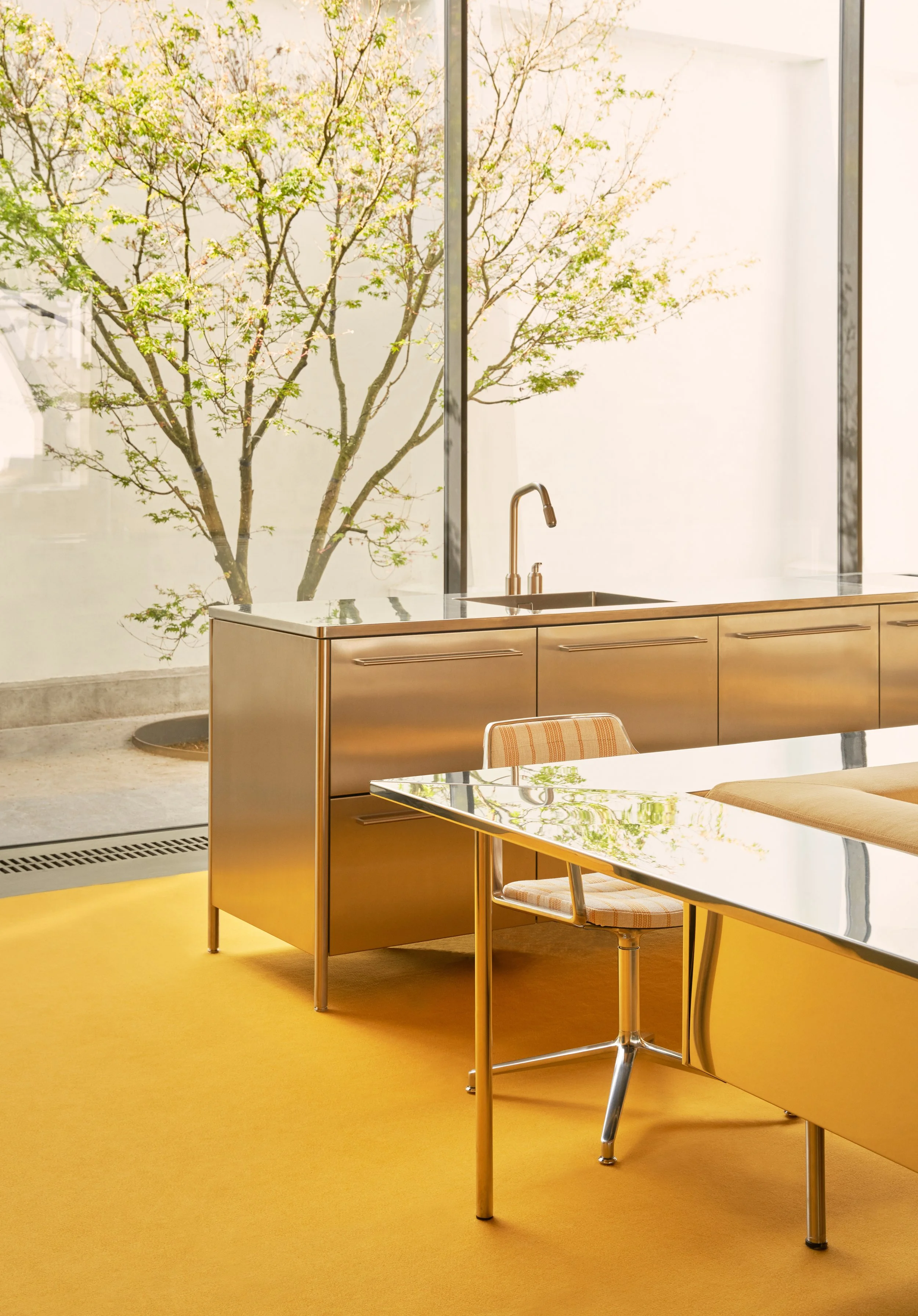
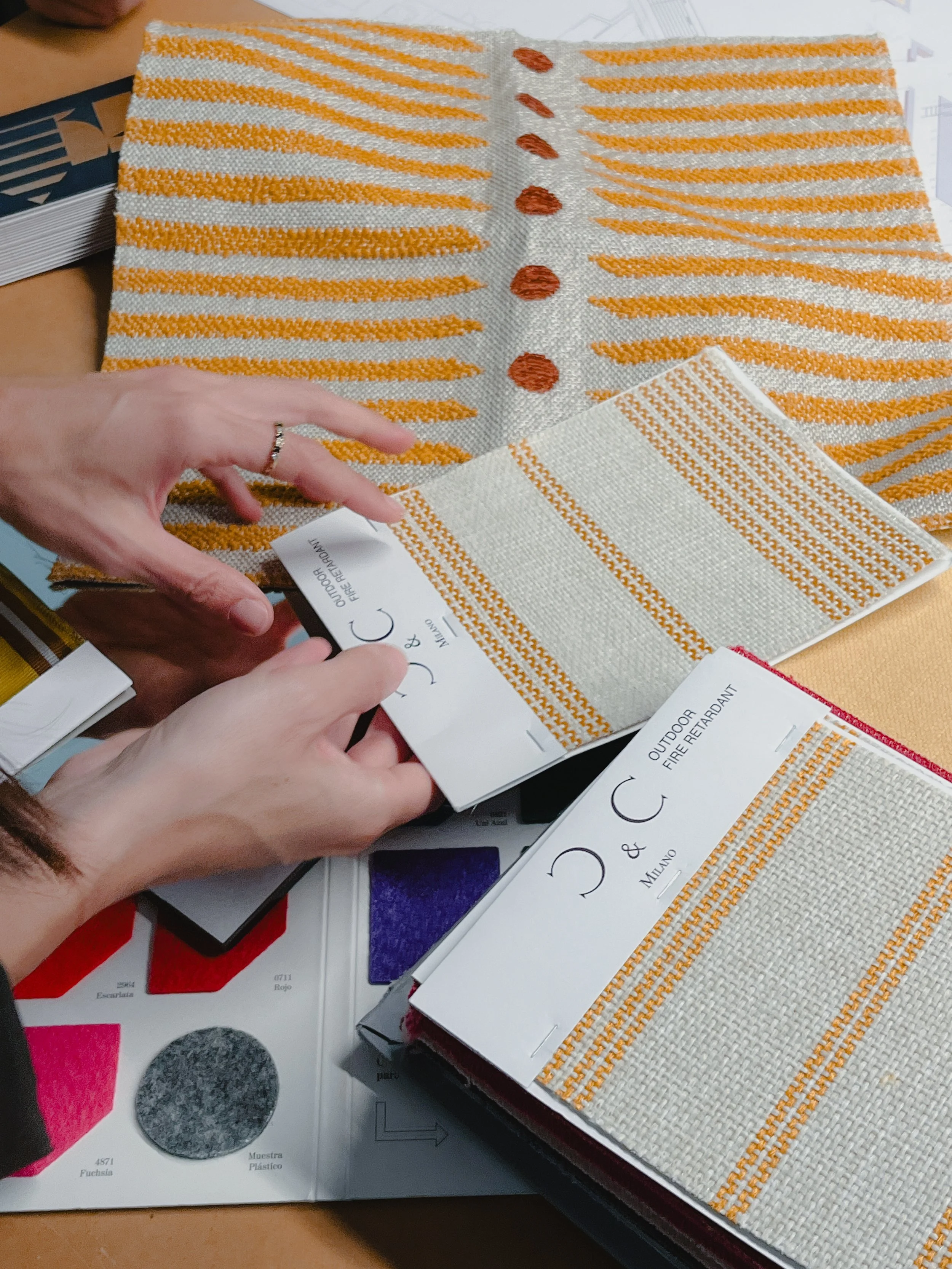
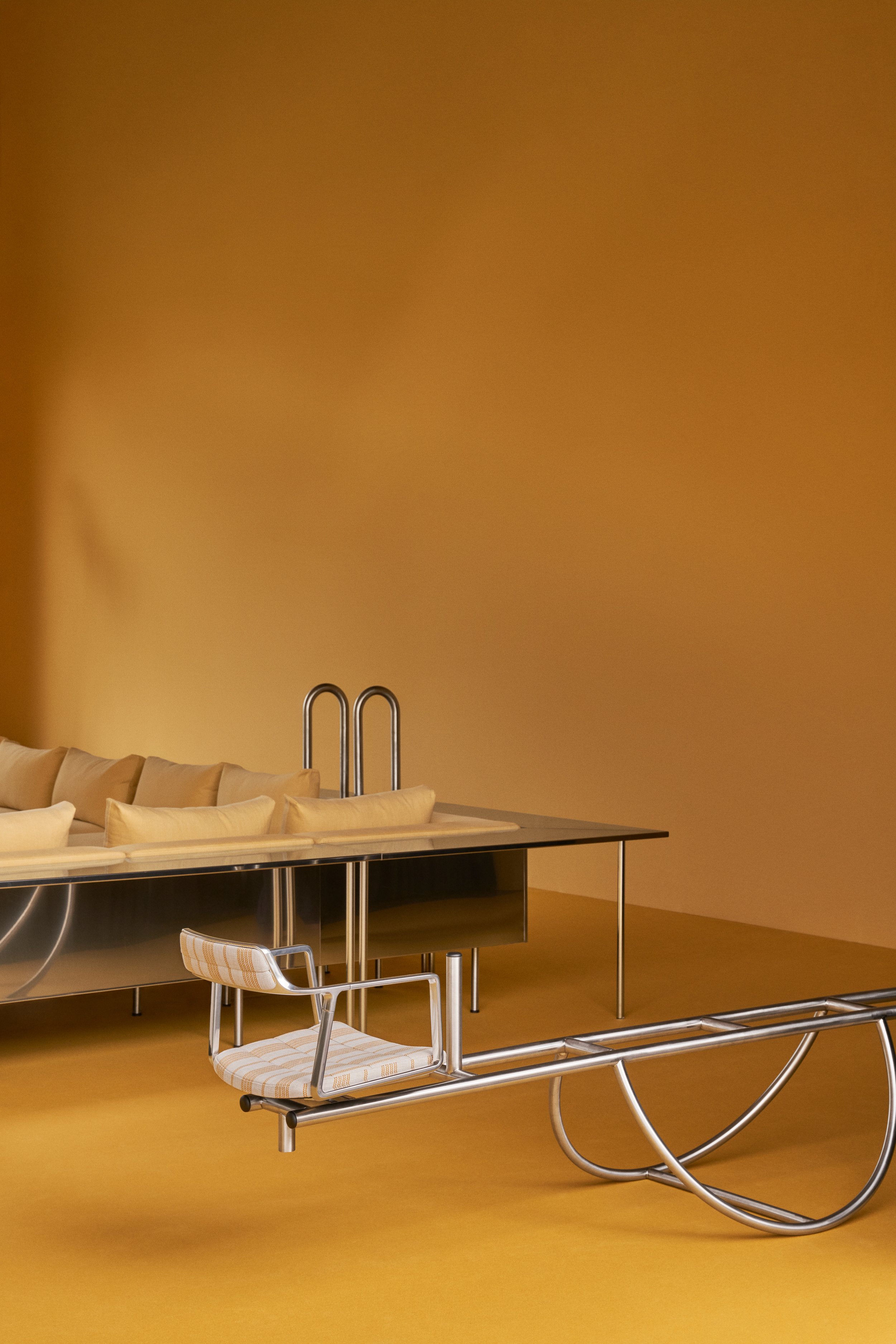
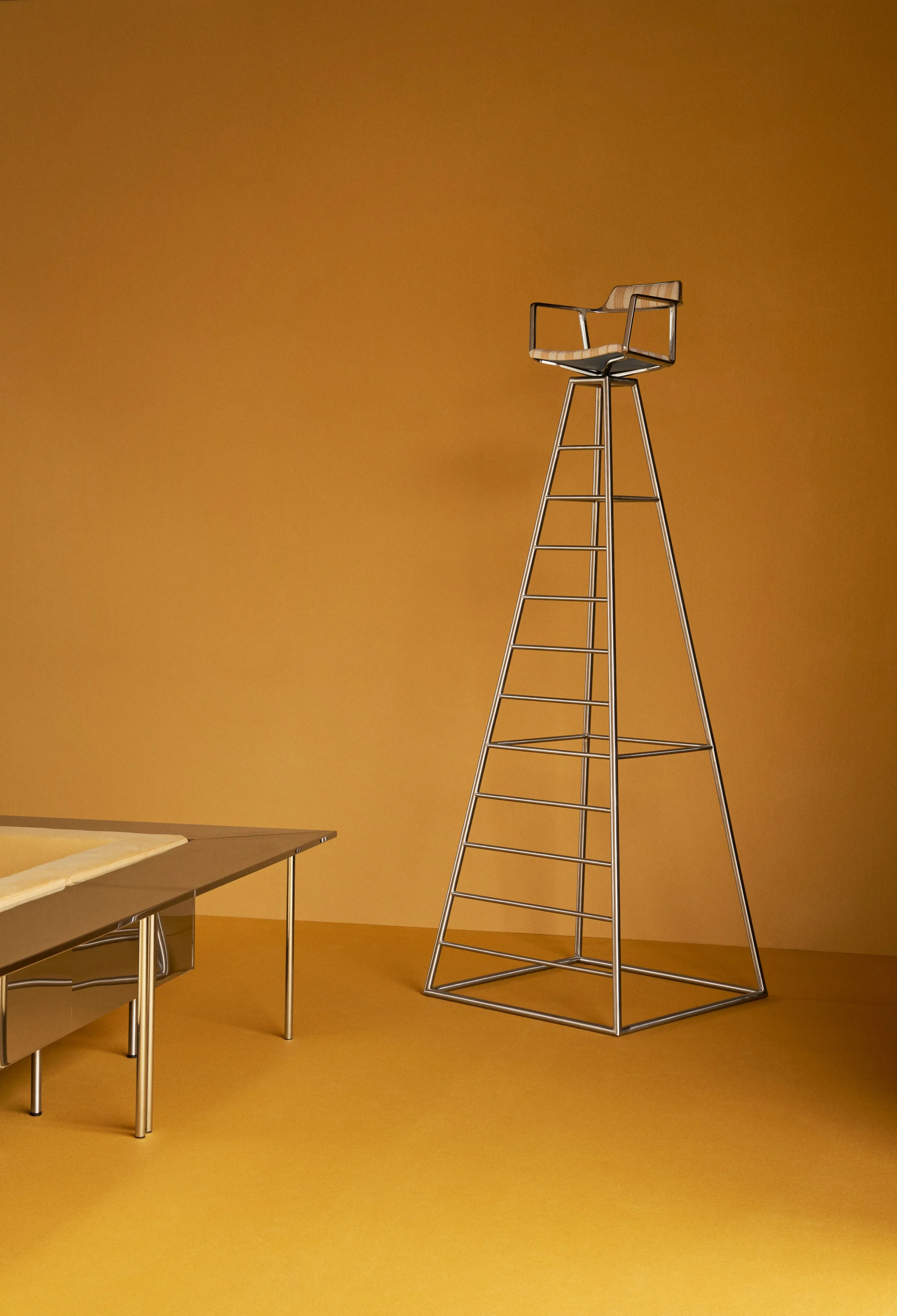
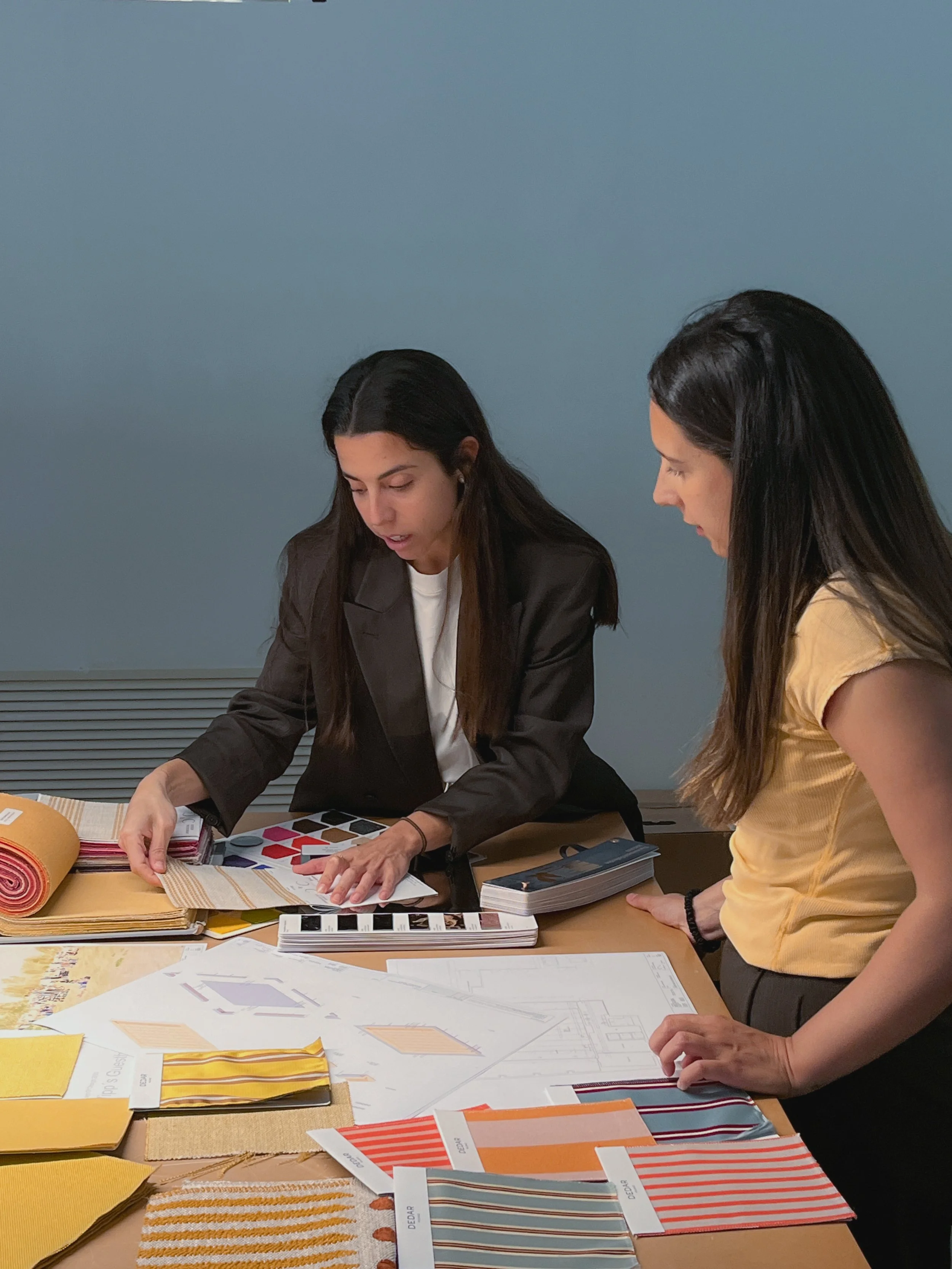
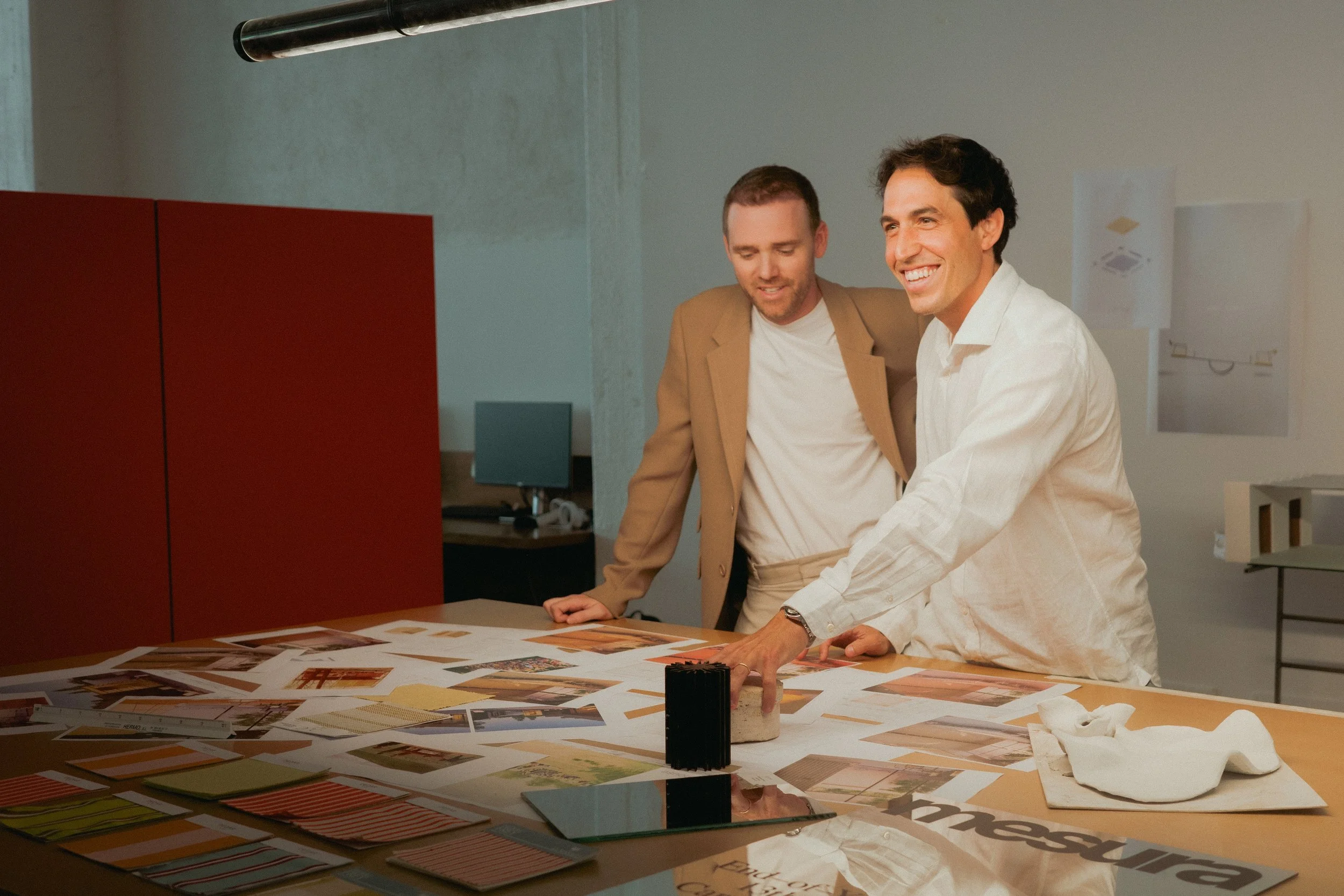
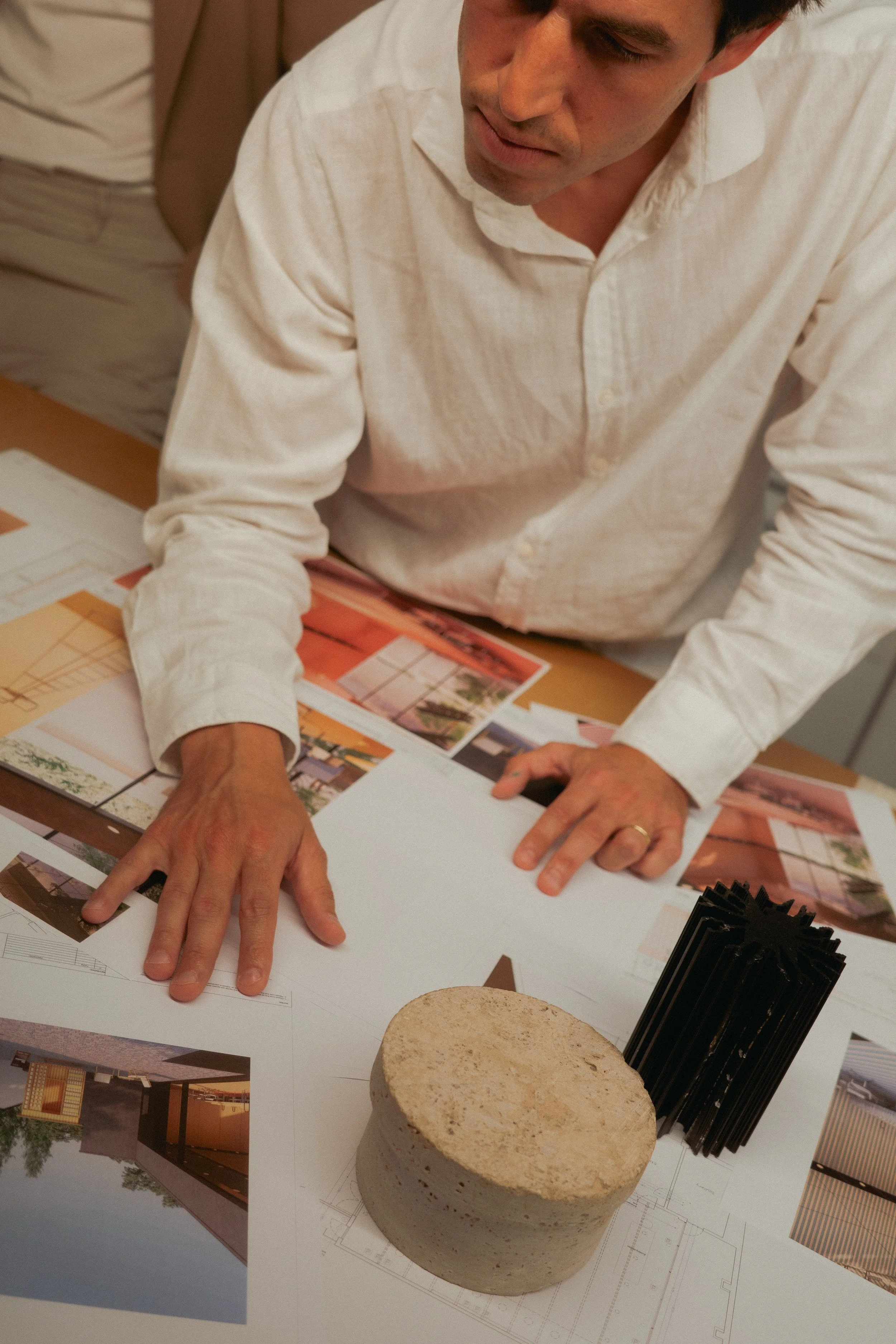
As part of this year’s 3daysofdesign, Vipp teamed up with mesura, an architecture and design studio based in Barcelona, to explore how to transform a guesthouse into a playful meeting place.
“A guesthouse is a space where you can create a sense of home. And home, by its very nature, is a shared experience—a place designed to bring people together.” — Benjamin Iborra, Partner & Architect at mesura.
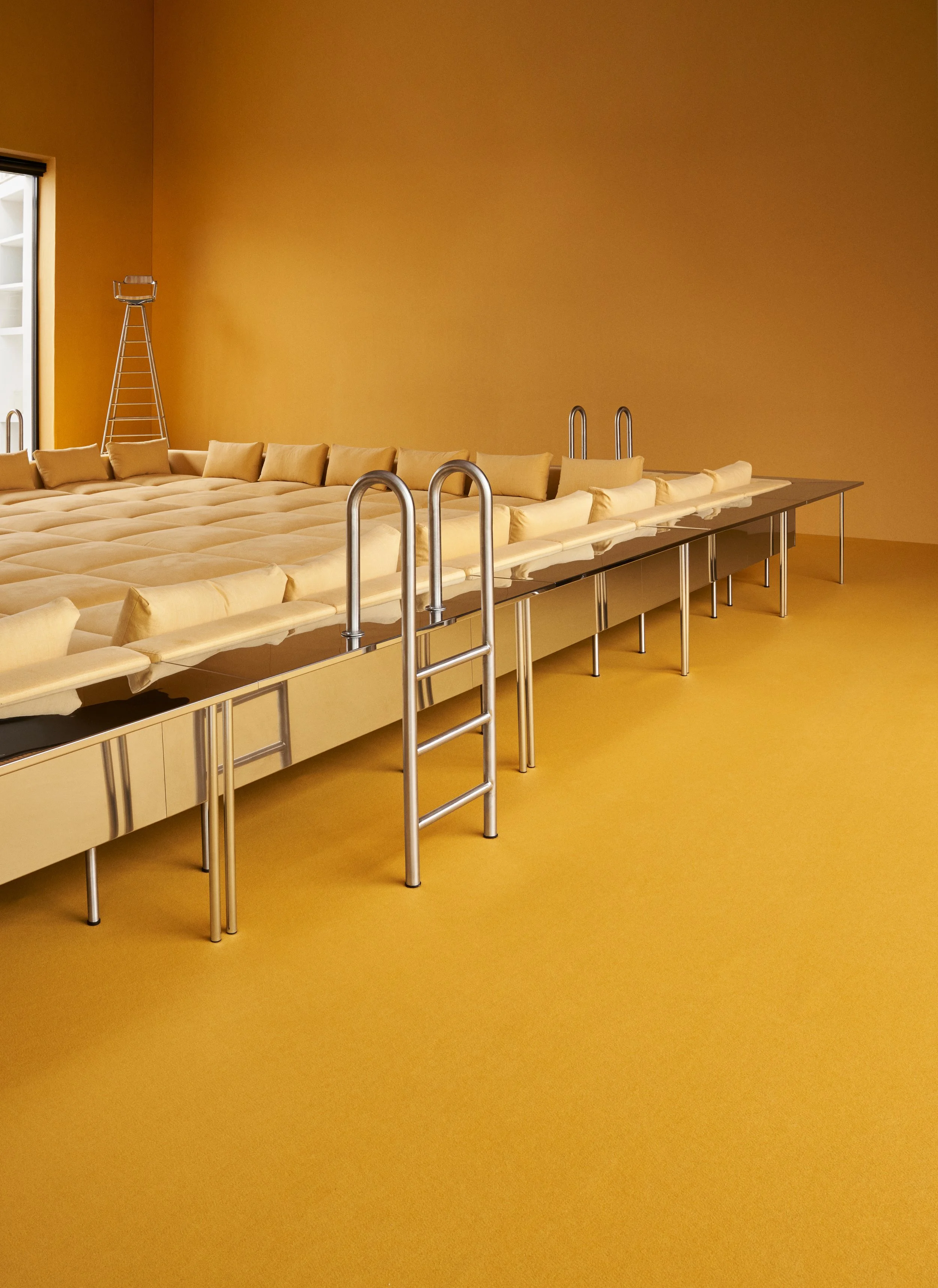
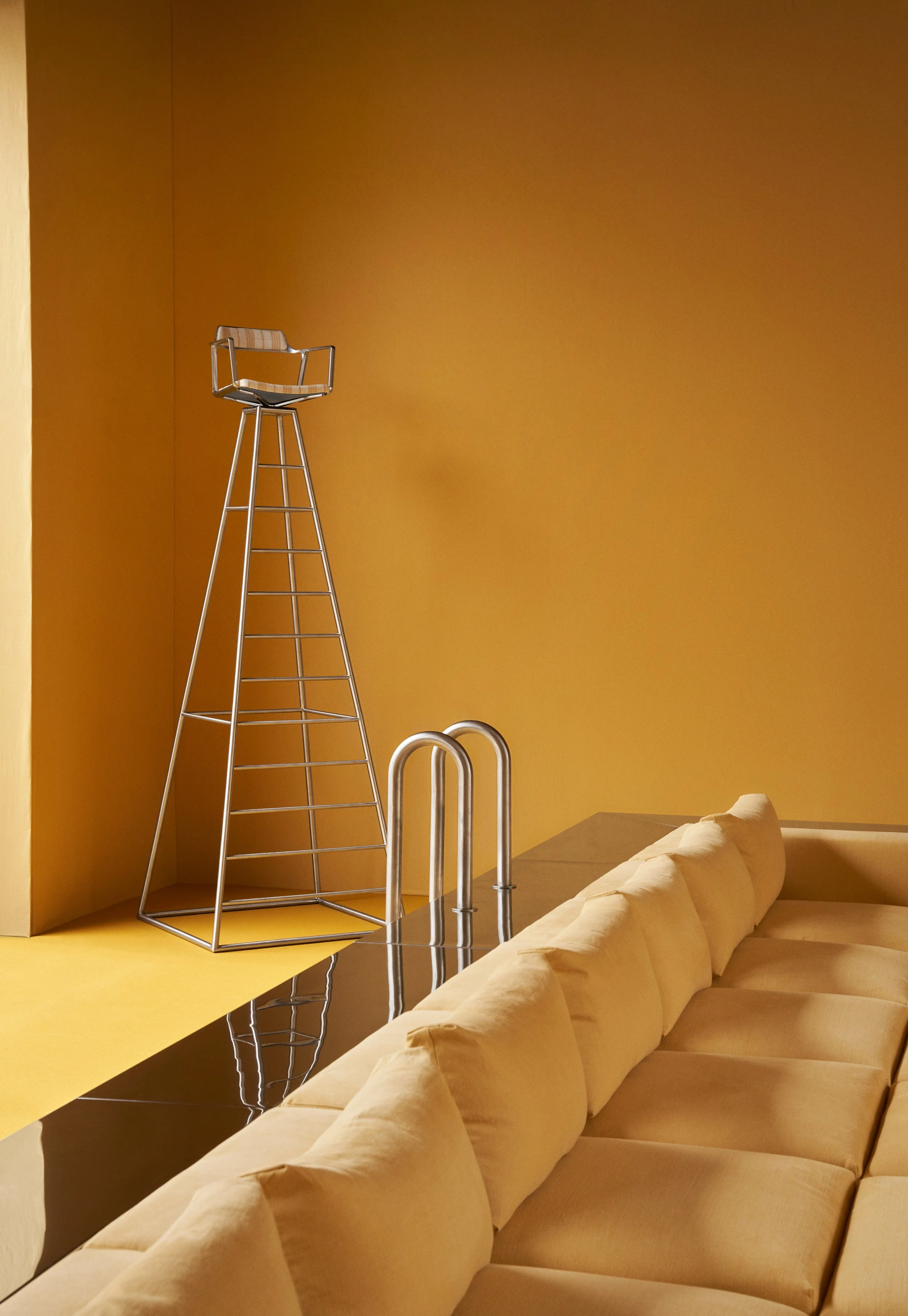
Inspired by Danish Midsummer traditions and social rituals associated with hygge, this installation explores hospitality not so much as a physical space, but as something that emerges through participation, presence, and coming together.
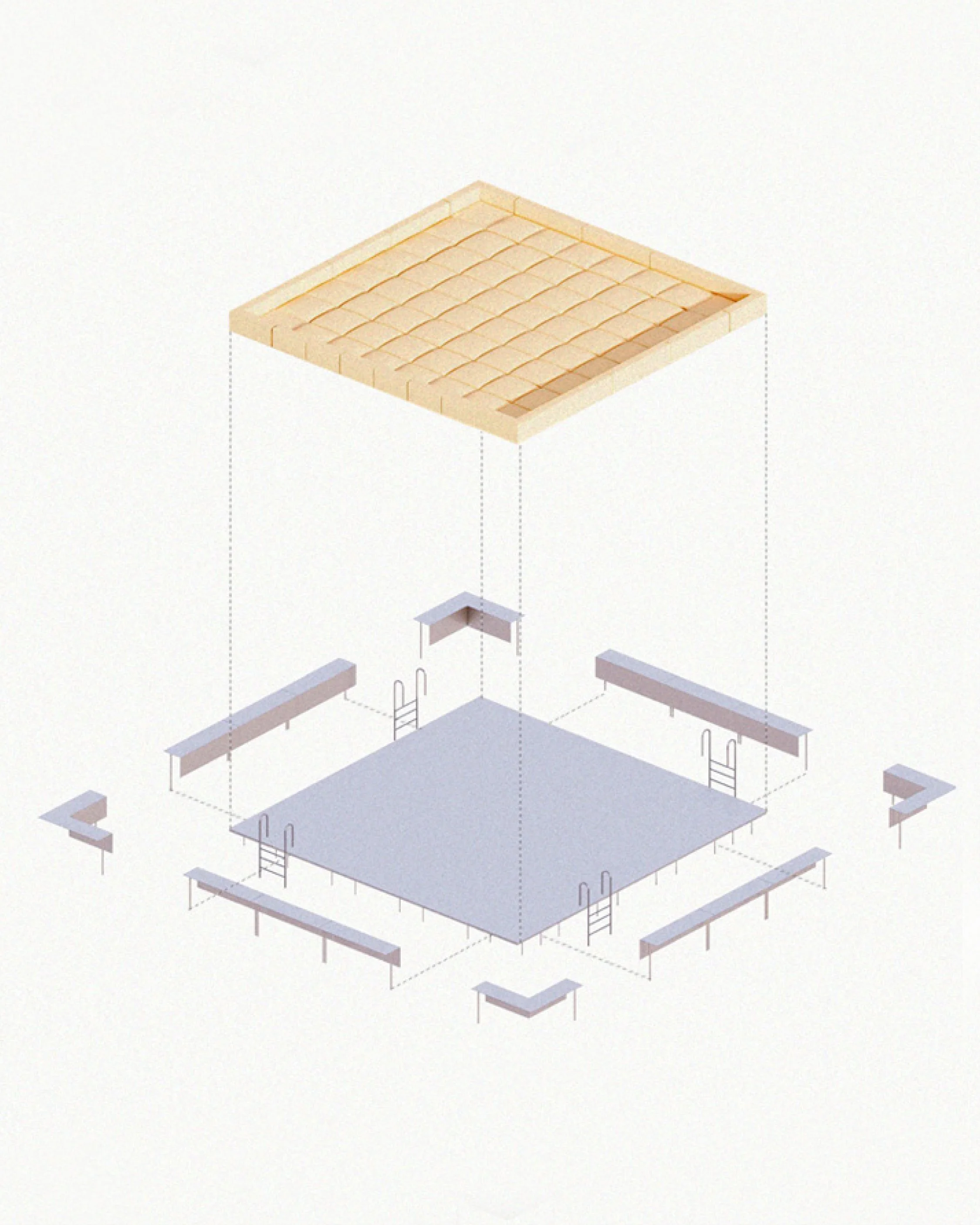
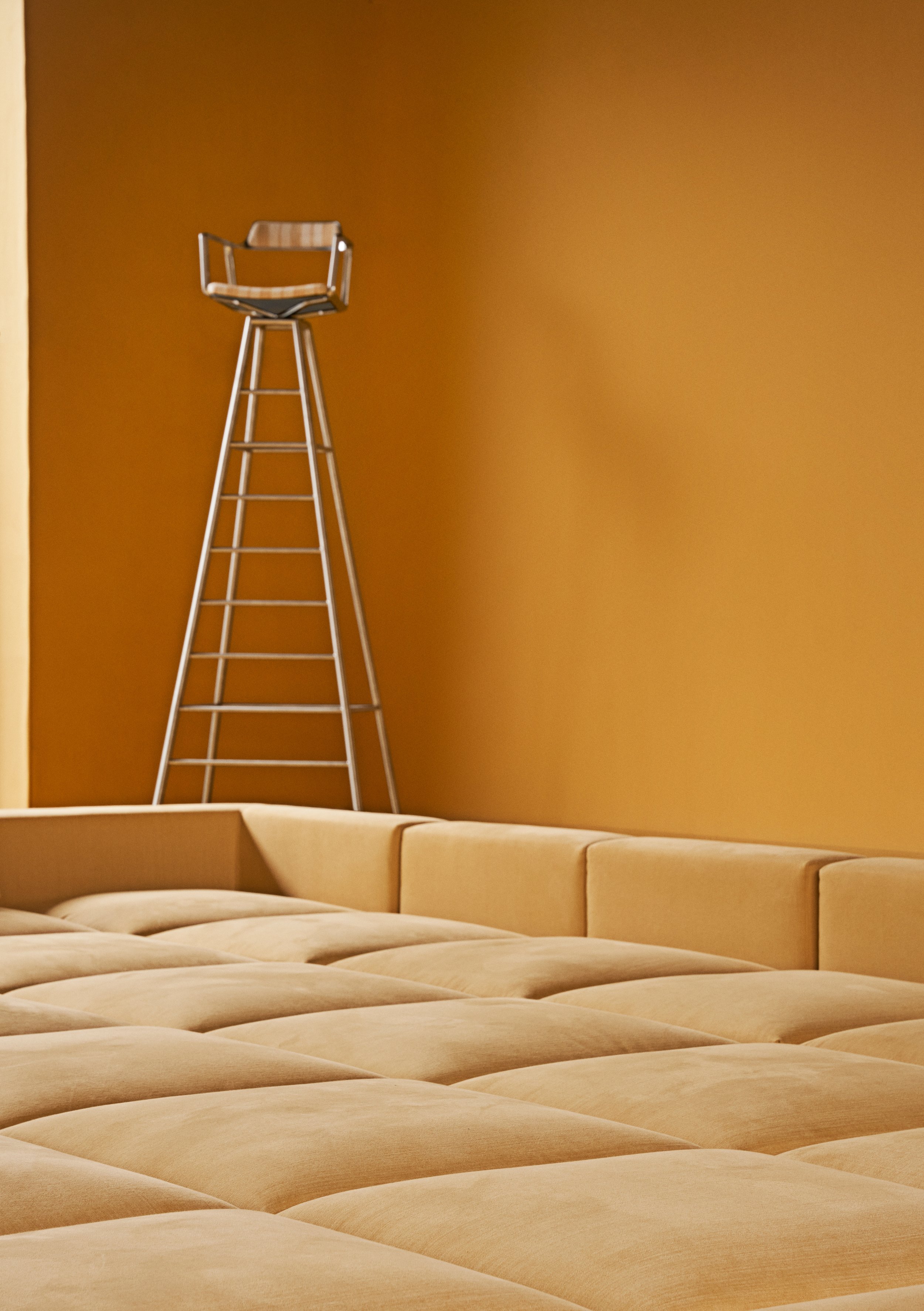
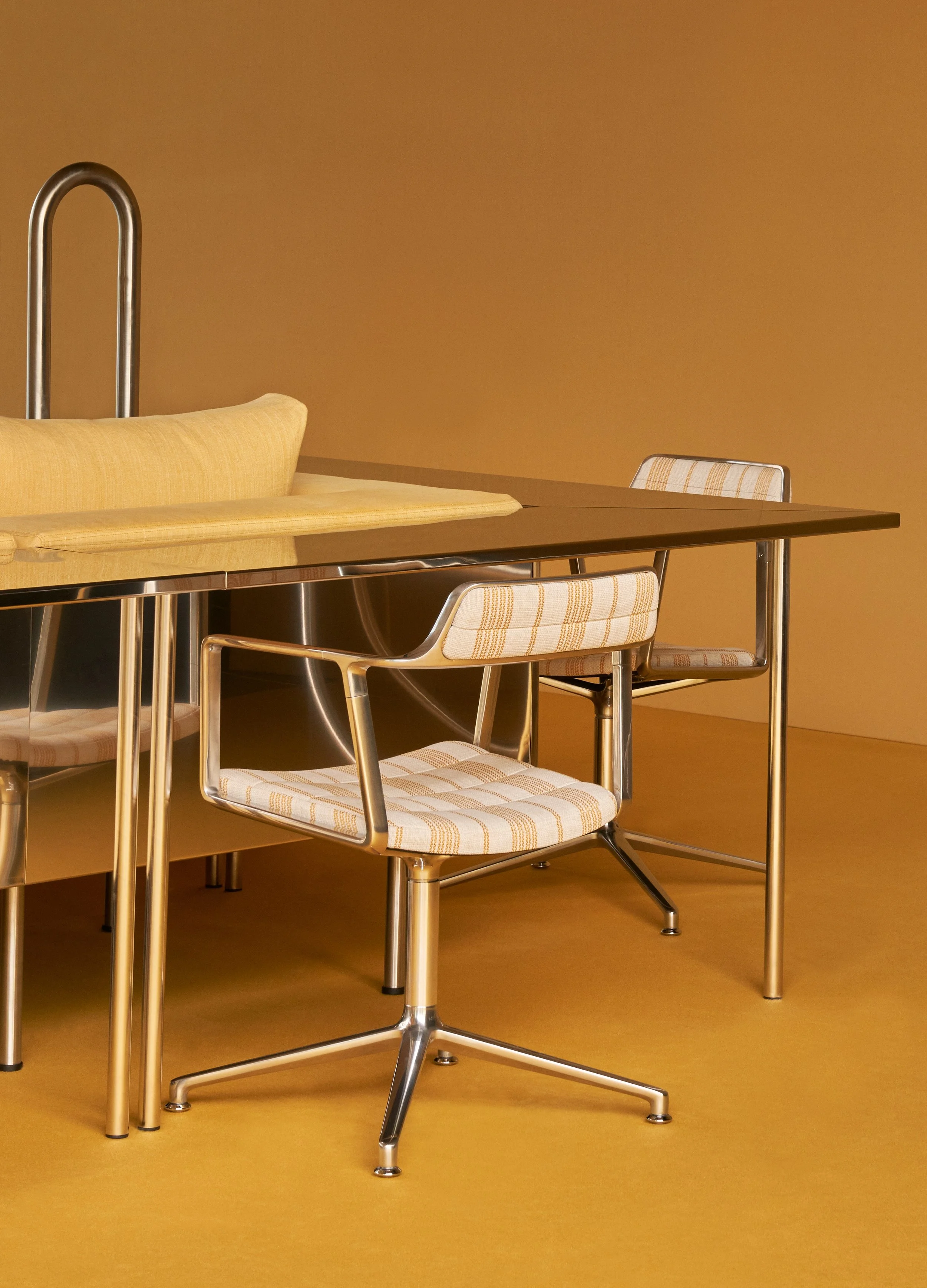
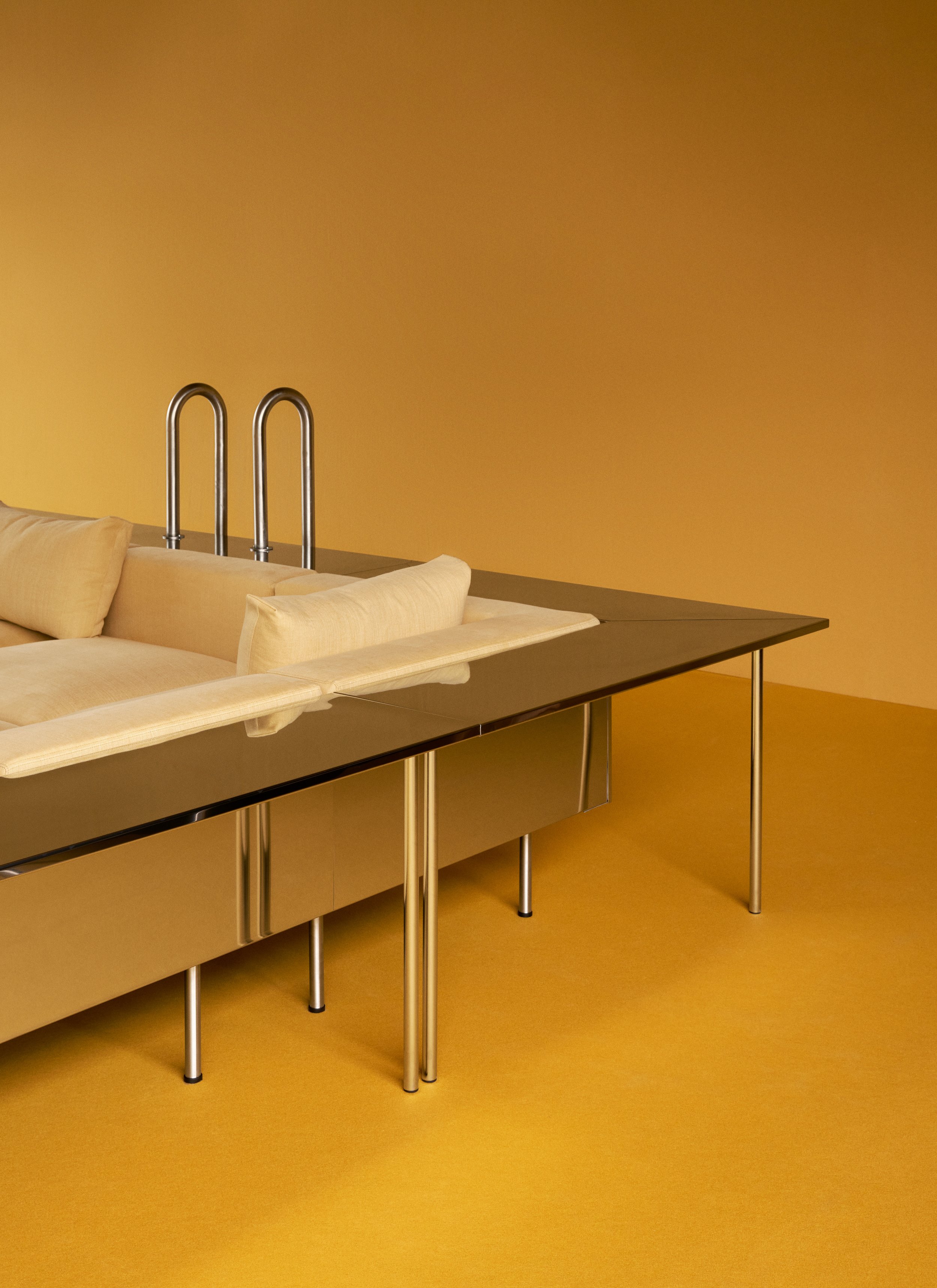
At the heart of the installation is a conversation area created using Vipp Loft sofa modules. Recessed seating areas, which gained popularity in the 1960s and 1970s, were designed to bring people closer together—both physically and socially. Integrated into the architecture, they broke down spatial barriers, encouraged eye contact, and made conversation the focal point of the room. Mesura reinterprets this idea in a contemporary way, transforming the furniture into a landscape of sorts.
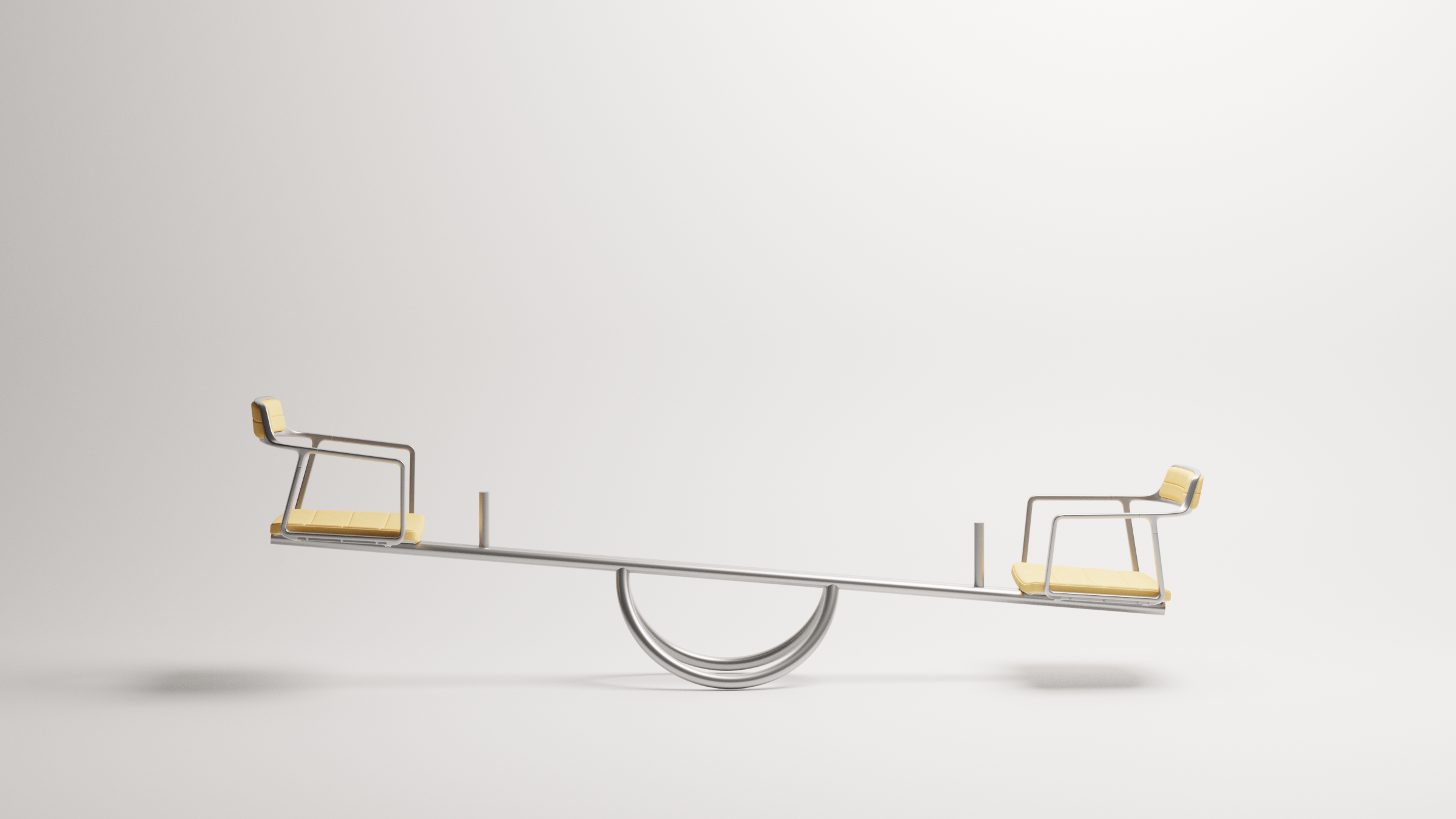
At the same time , the installation also offers a glimpse into a central aspectVipp's : metalwork. Founded in 1939, Vipp has spent decades perfecting its craft of shaping metal into objects that are precise, durable, and aesthetically timeless in their functionality.
One of Vipp's designs, the Swivel chair, has been reimagined by mesura in a way that feels both unexpected and natural. The result is a playful version that still retains Vipp’s signature character.
-
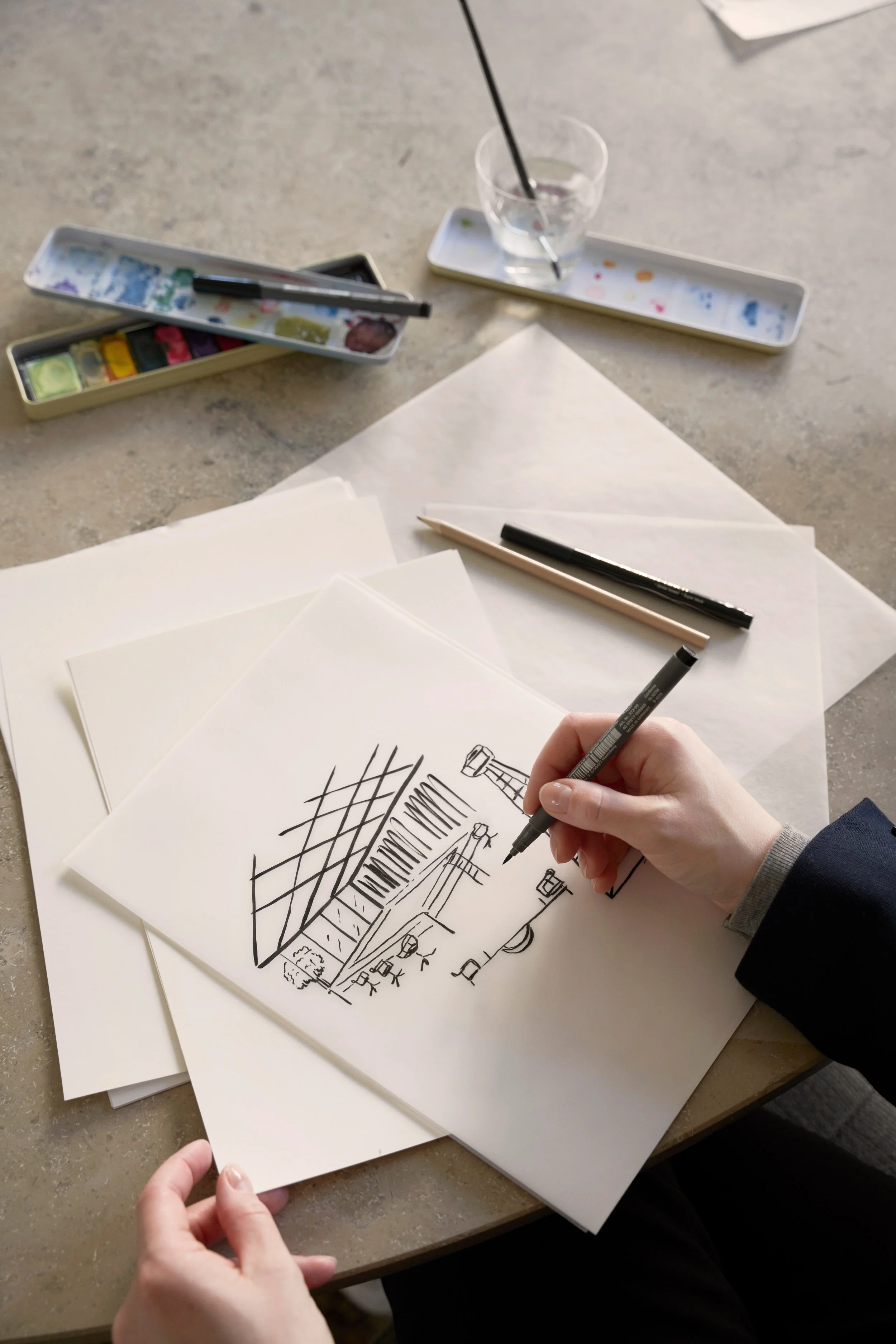
Founded in Barcelona in 2010, Mesura is a high-end architecture and design studio that creates timeless, bespoke environments. Operating in the fields of architecture, interior design, furniture design, and research, the studio approaches each project as an open-ended inquiry, focusing on the relationships between people, place, and culture. Their work is characterized by a strong sense of materials, contextual sensitivity, and narrative, resulting in spaces that are both well-considered and contemporary.
J. ADAMS & CO
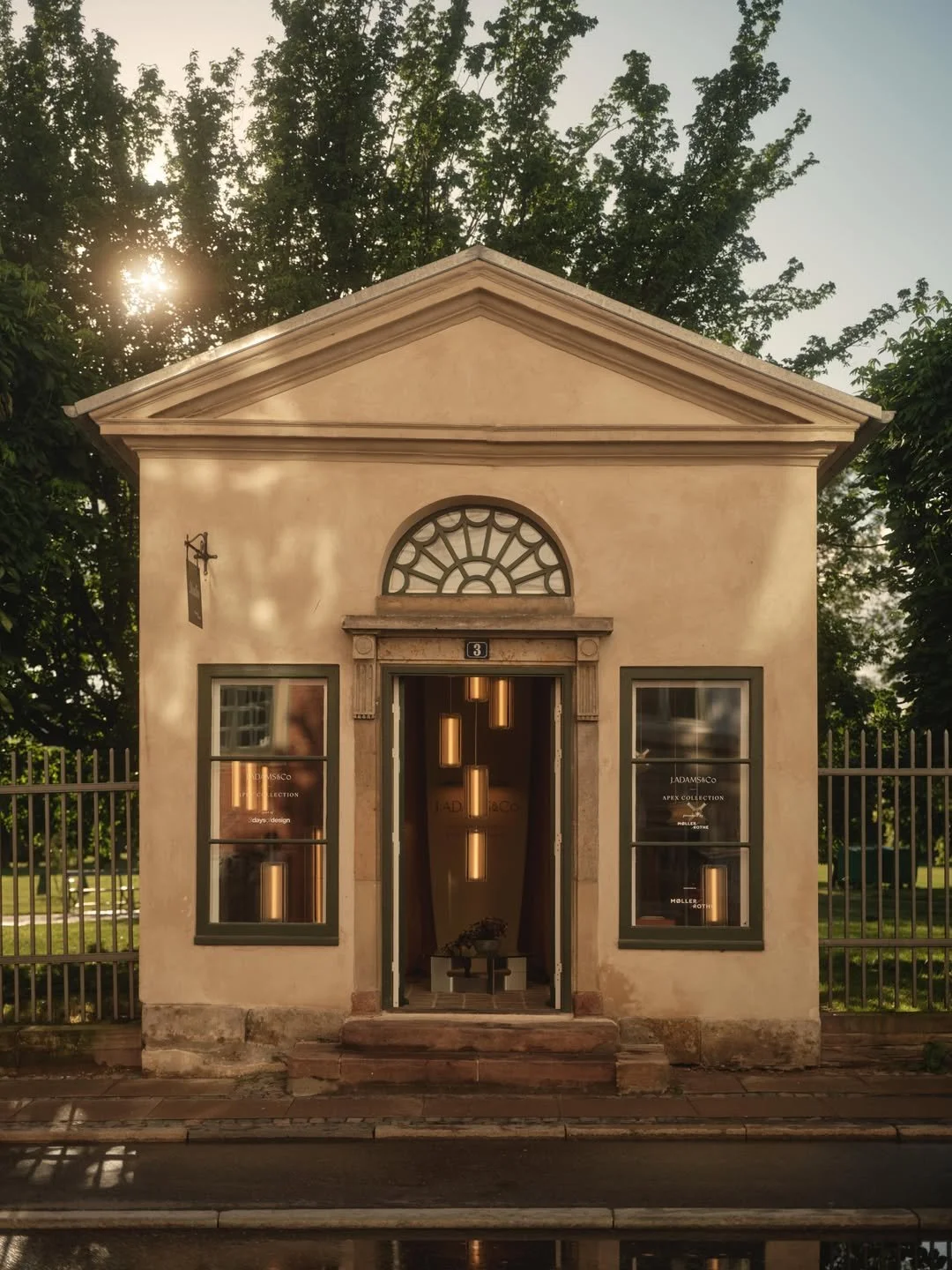
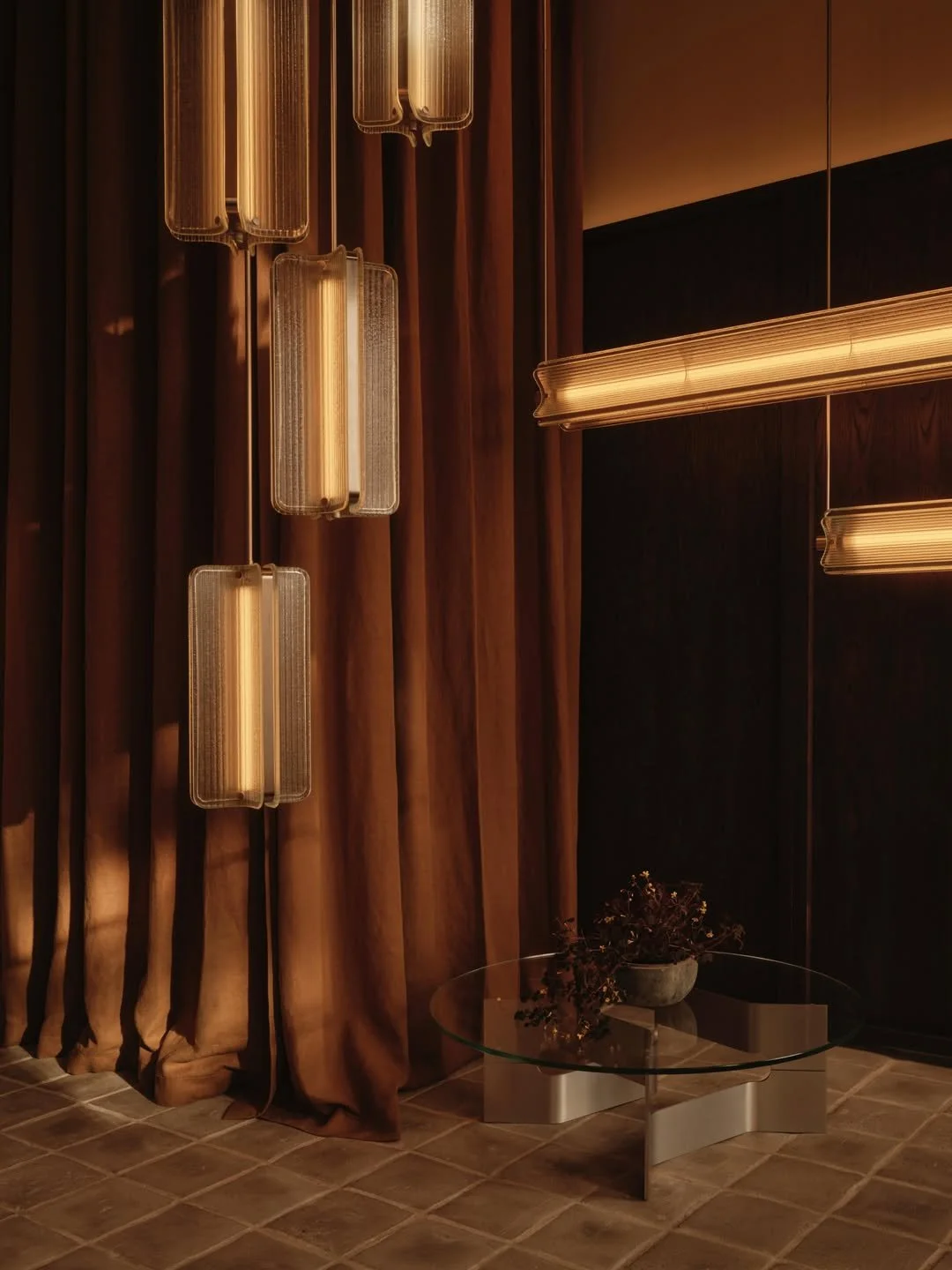
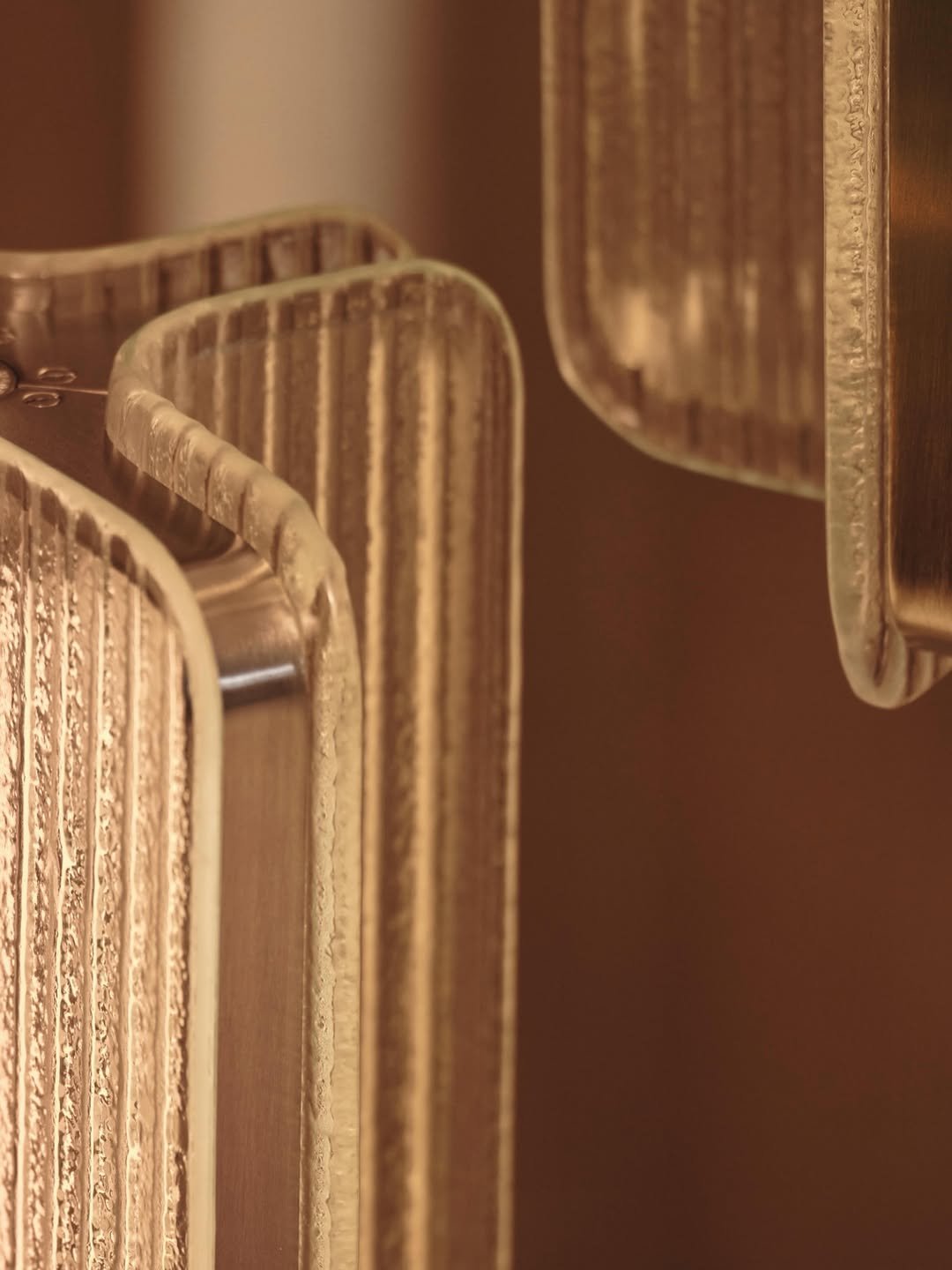
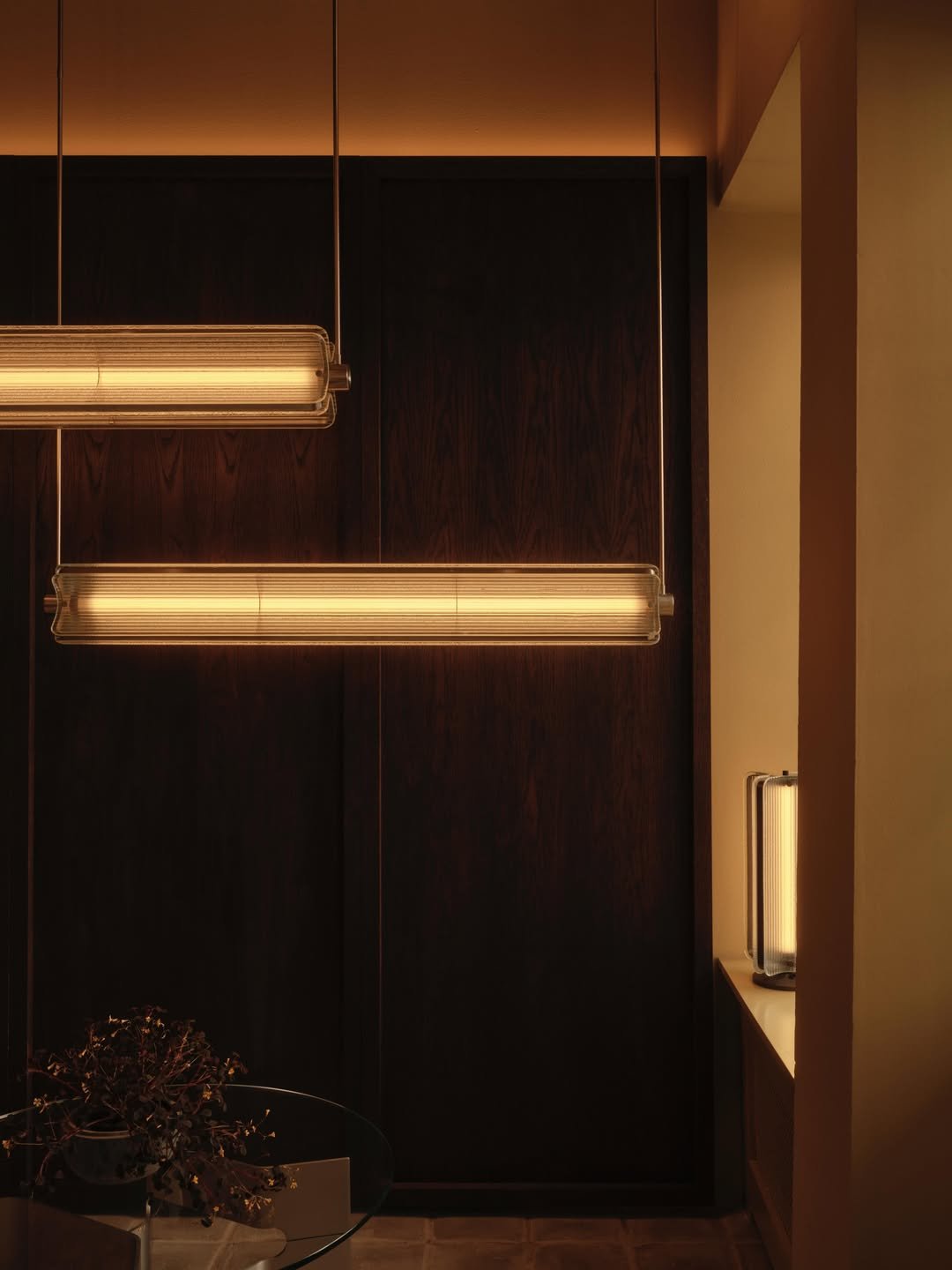
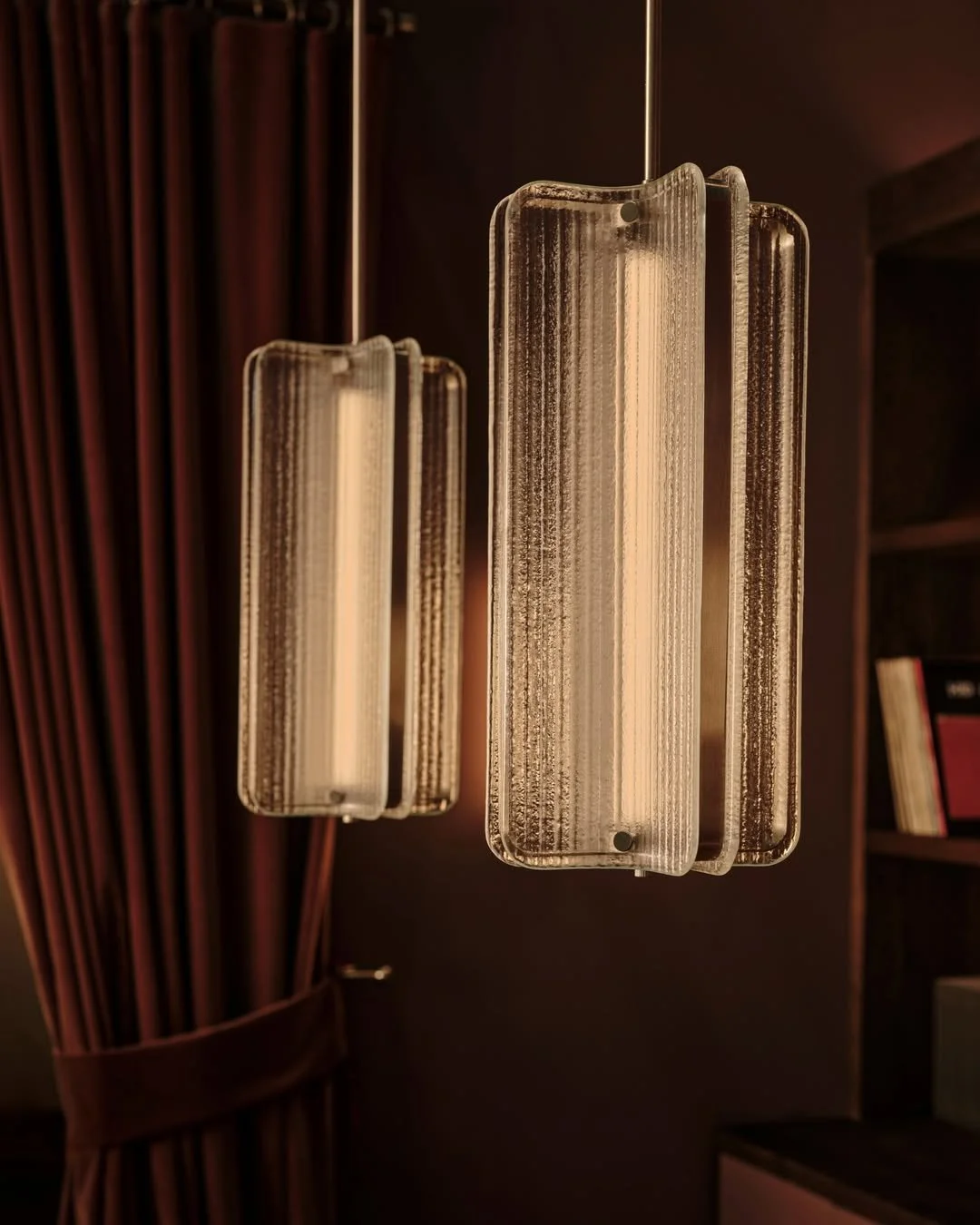
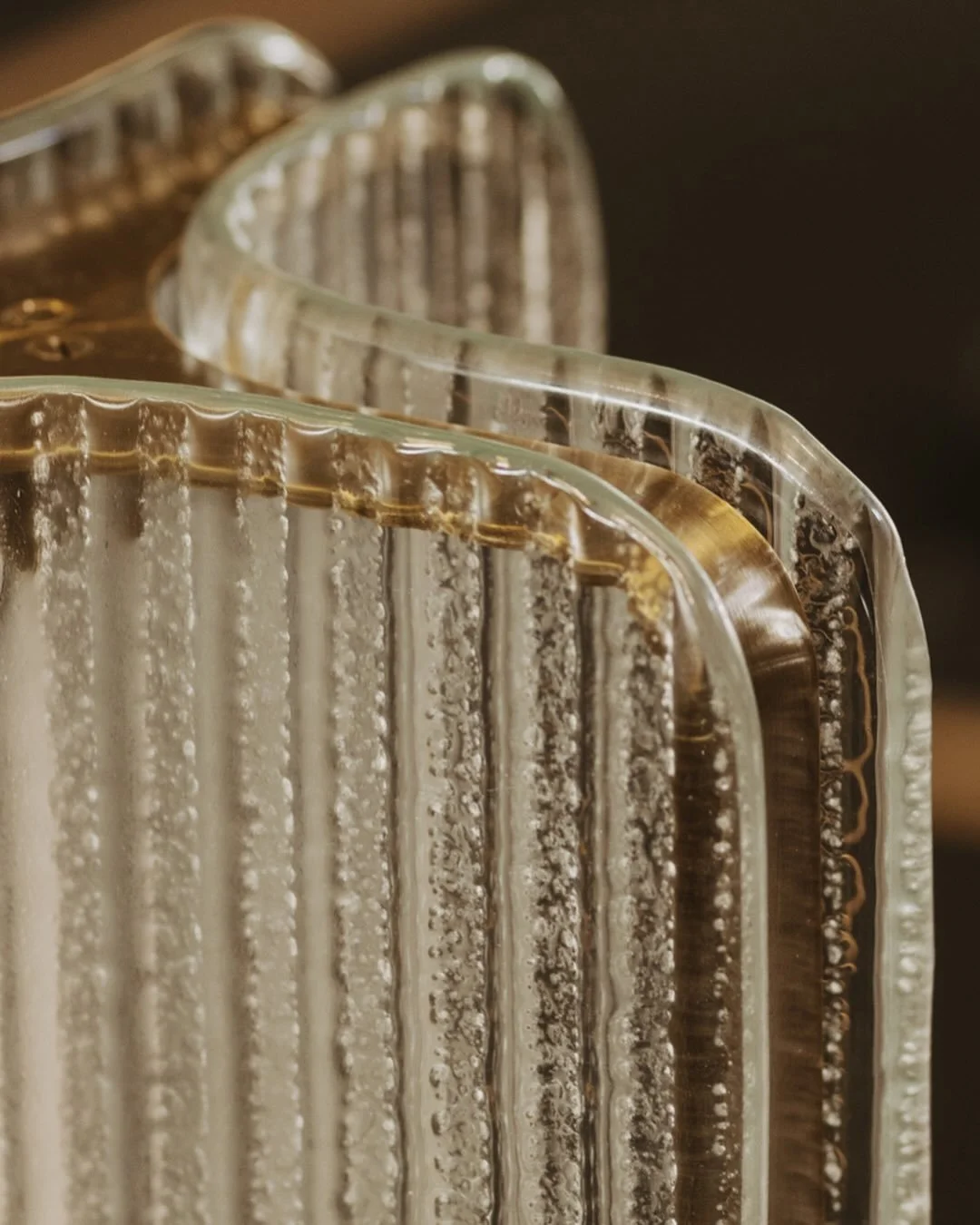
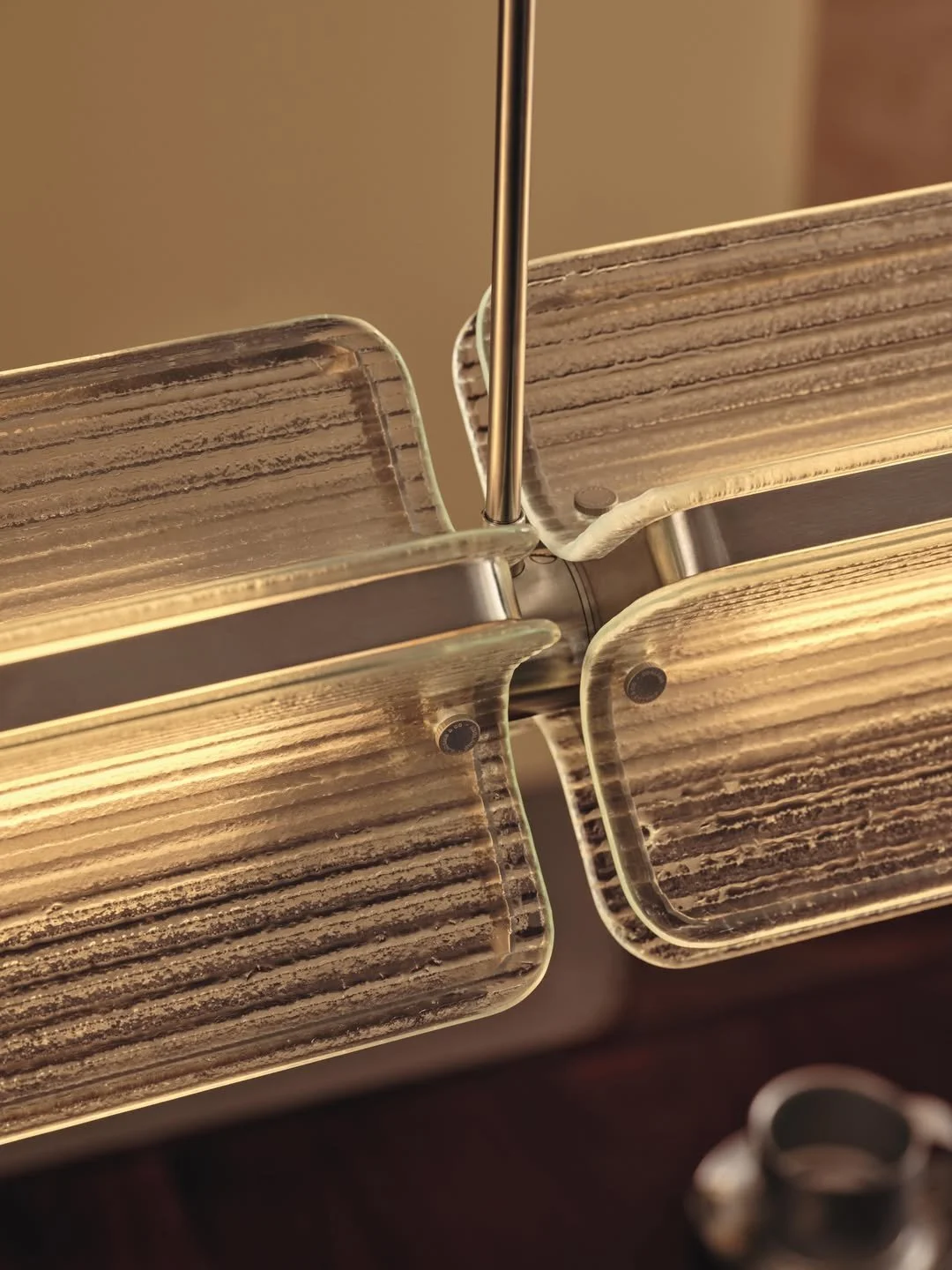
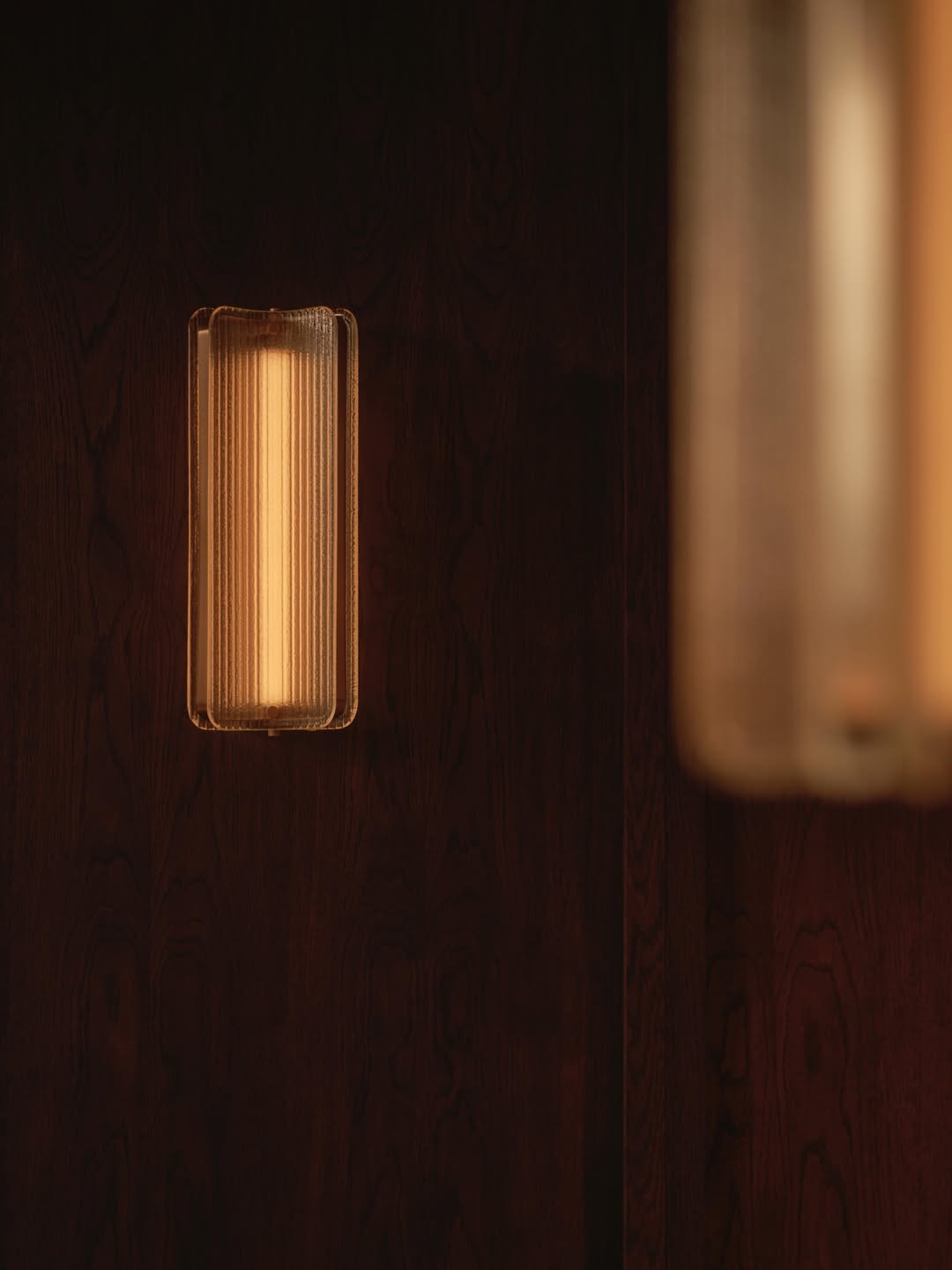
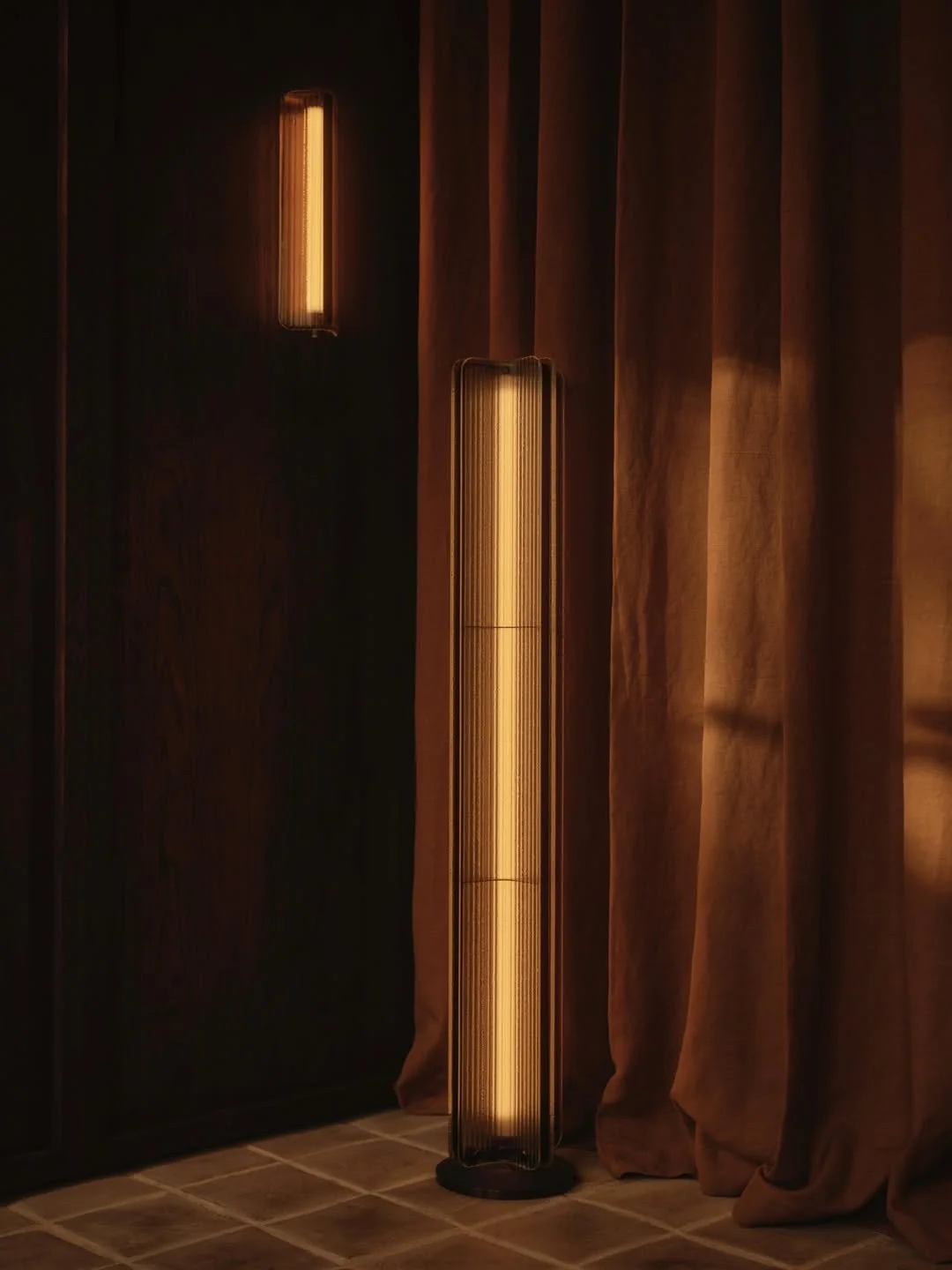
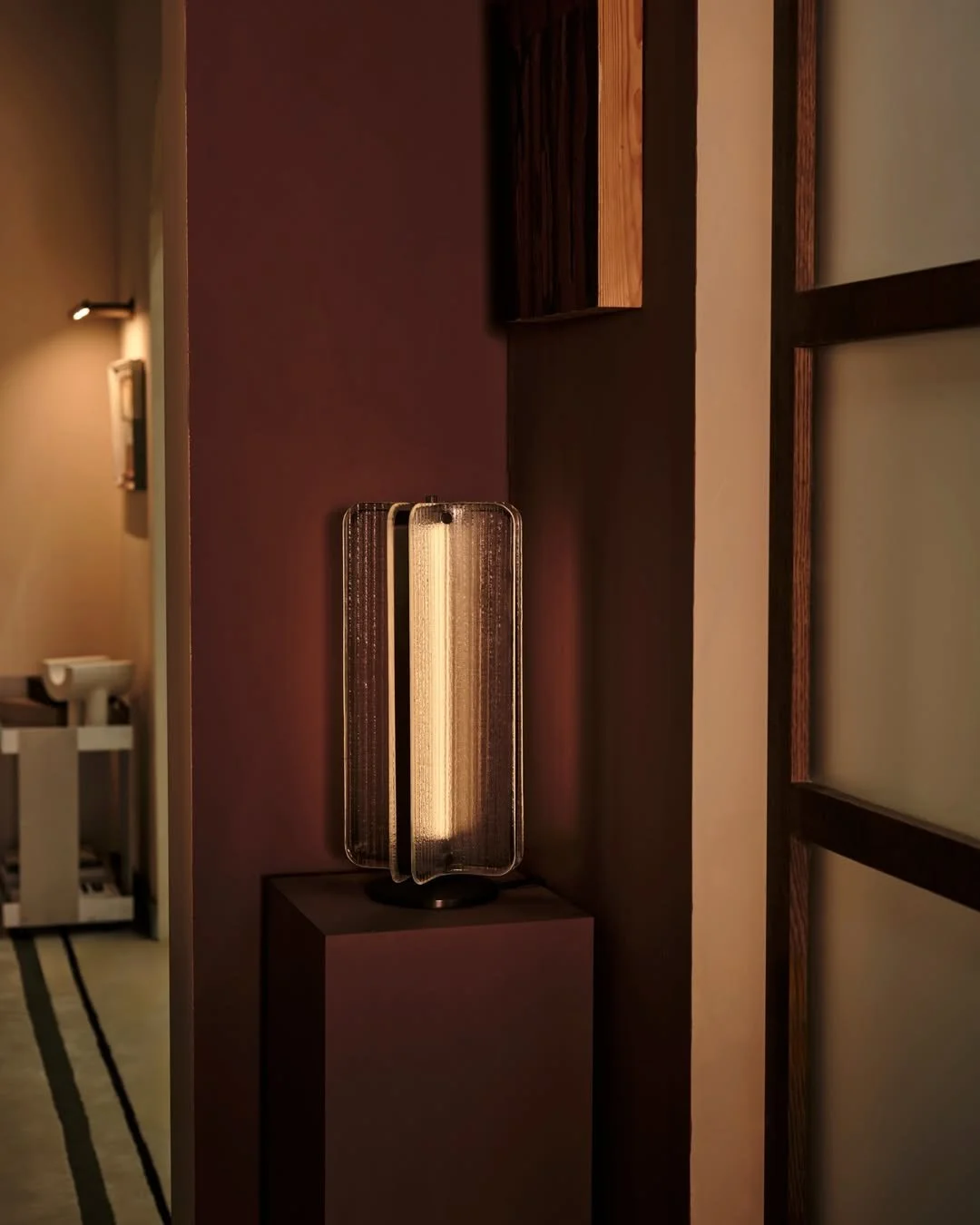
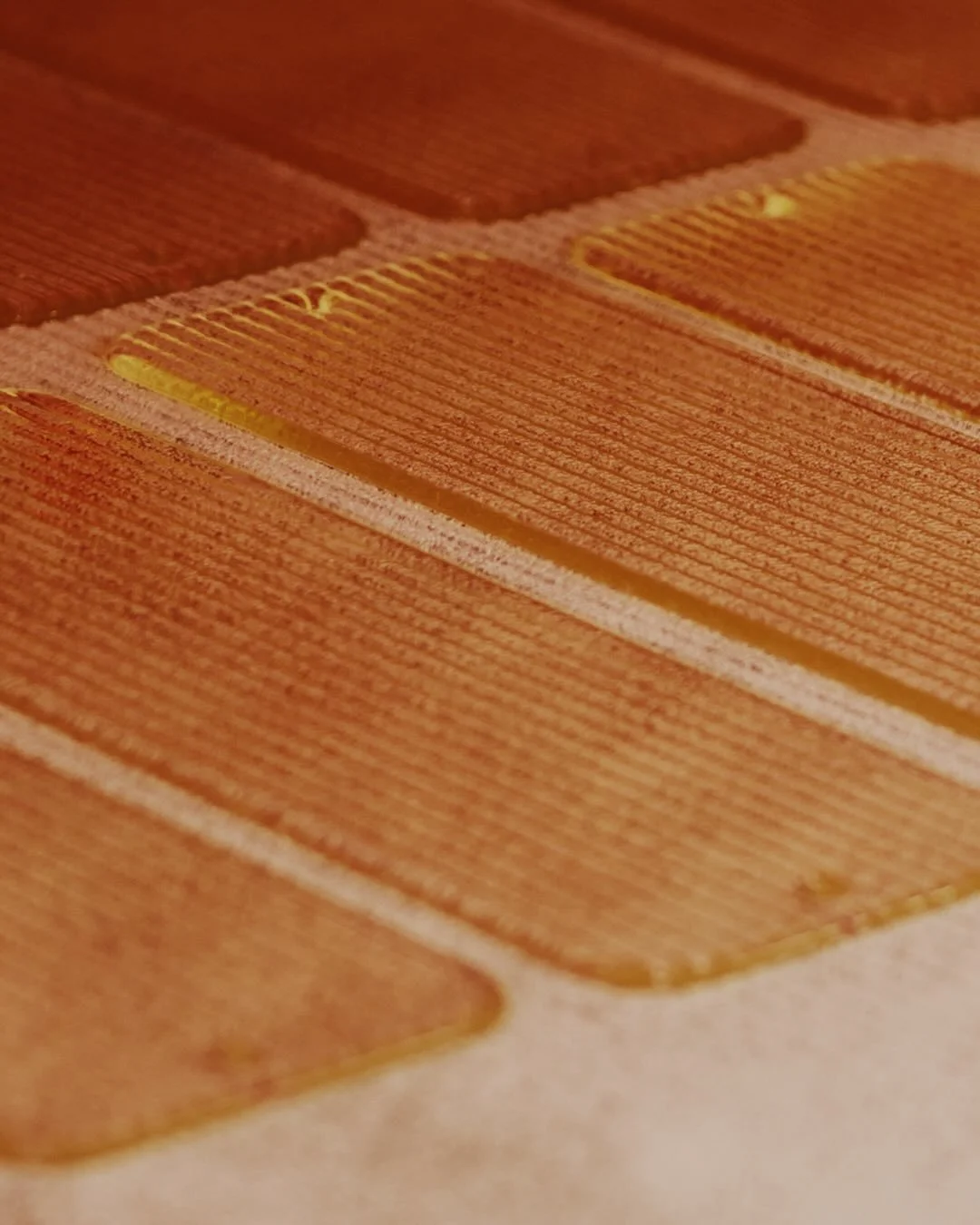
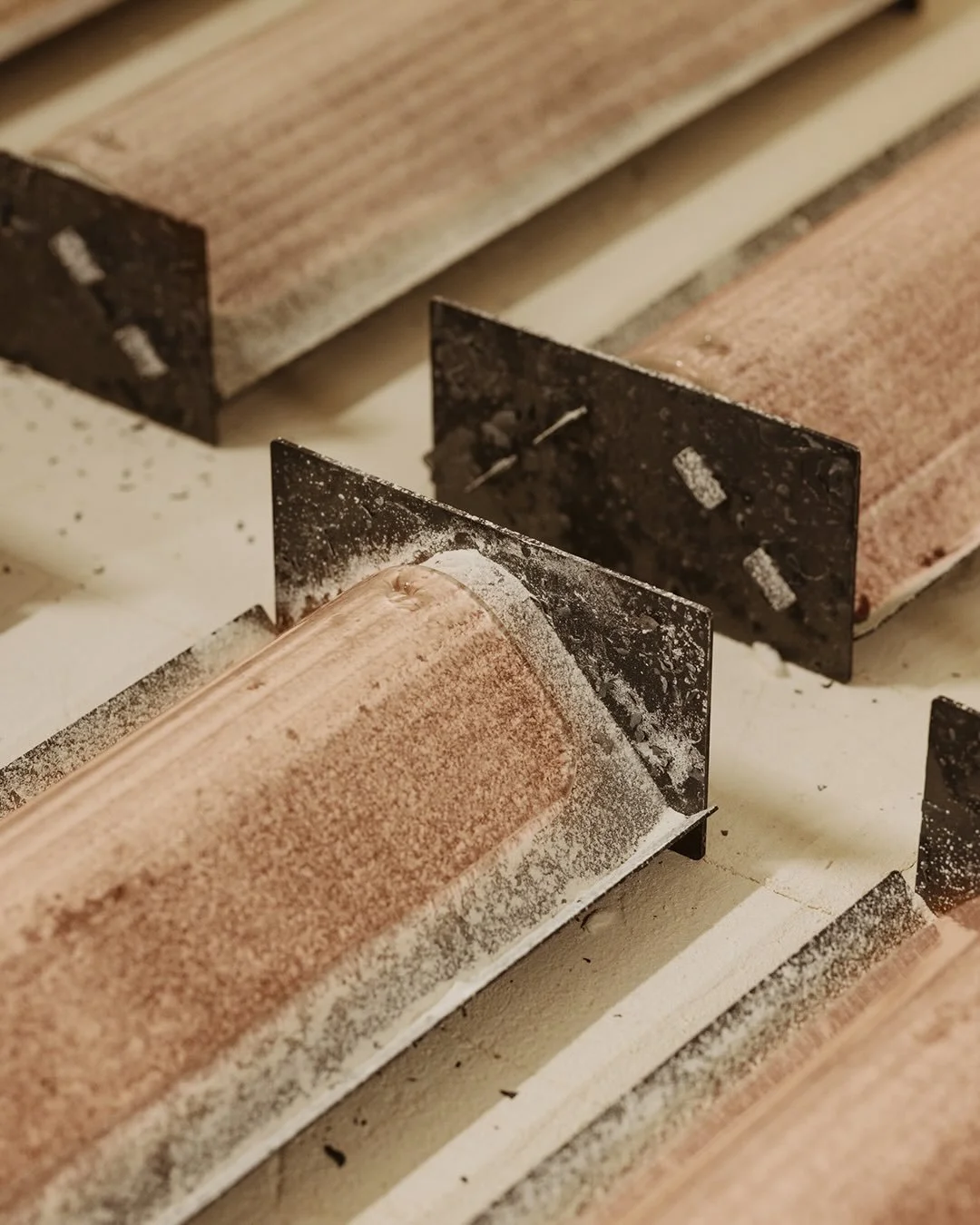
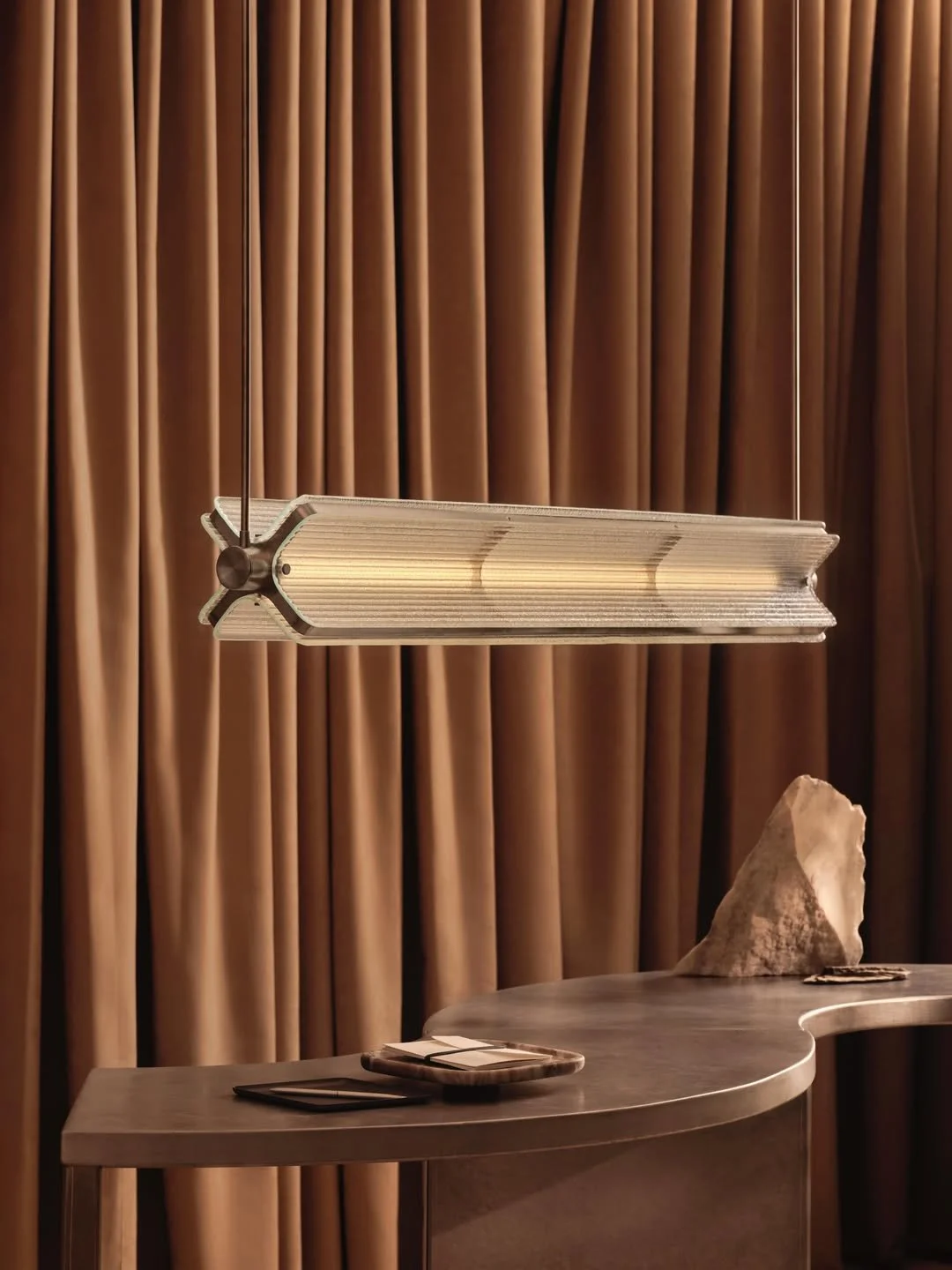
Hidden next to King’s Park was one of this year’s festival’s little hidden gems— J. Adams & Co., a British lighting brand that combines traditional craftsmanship, fine materials, and a contemporary design language. In a small park pavilion, they presented their new Apex collection against a rich red backdrop, where light, texture, and perspective are in constant dialogue. Furnace-formed textured glass and solid brass create lighting objects that transform depending on the viewing angle, revealing new reflections, shadows, and depths. The result is Collection where light is not merely visible, but experiential.
DAVIDE GROPPI x AGAPE BATHROOMS x AGAPE CASA
As part of 3daysofdesign, diverse creative worlds come together in the exhibition *Artistic Position in Space*. Created in collaboration with File Under Pop, Agapecasa, Agape Bathrooms, Davide Groppi, Garde Hvalsøe, and V-ZUG, the installation explores space as a lived experience, where materials, architecture, art, and light engage in a dialogue with one another. At the heart of this collaboration are our distinctive partner brands from Italy. Agape’s latest products and Collection Agapecasa Angelo Mangiarotti Collection Sonja Ferlov Mancoba’s sculptures, while Davide Groppi’s lighting ties the entire experience together—quietly, sensitively, and naturally. The exhibition reminds us that the most impactful spaces are born out of collaboration.
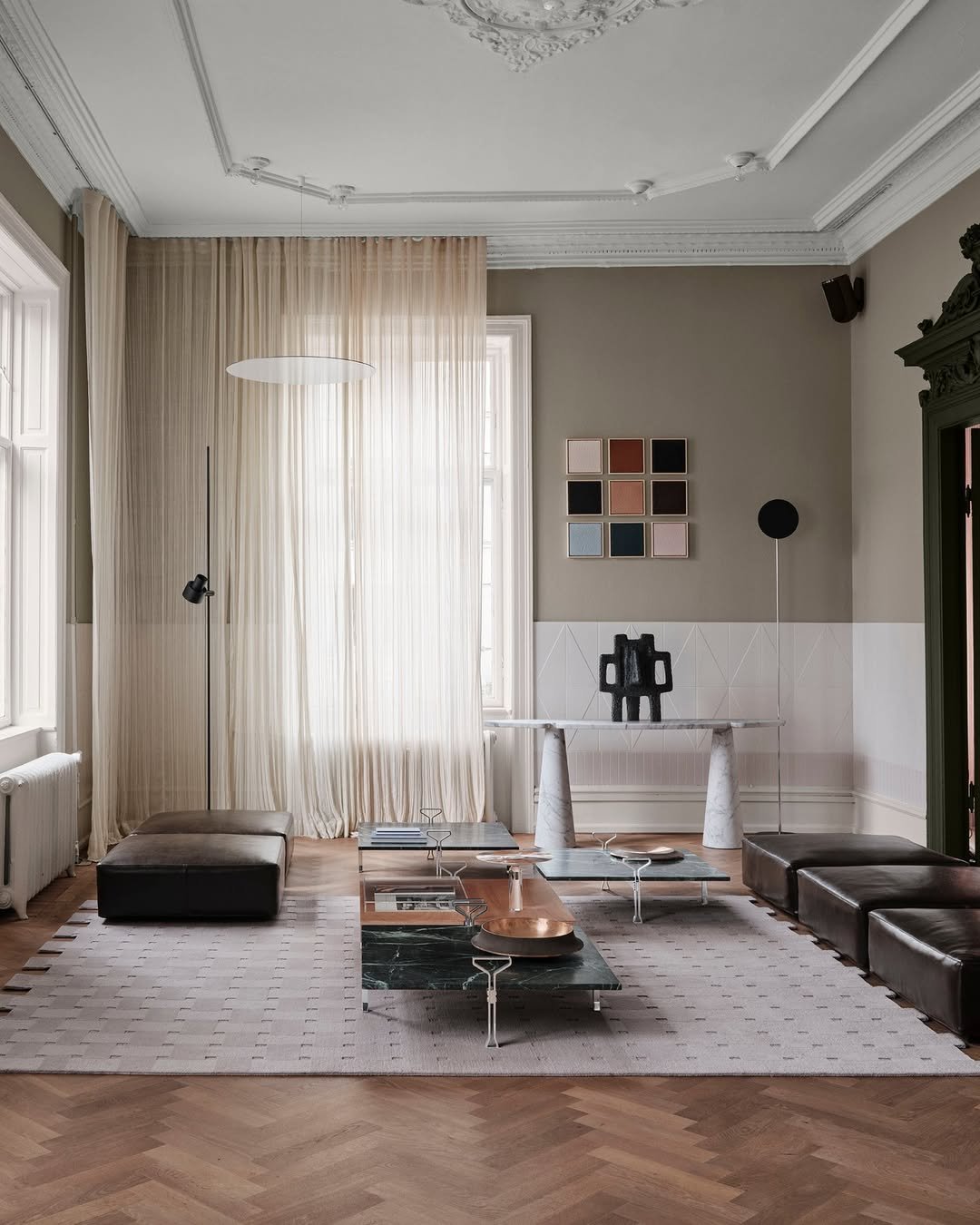
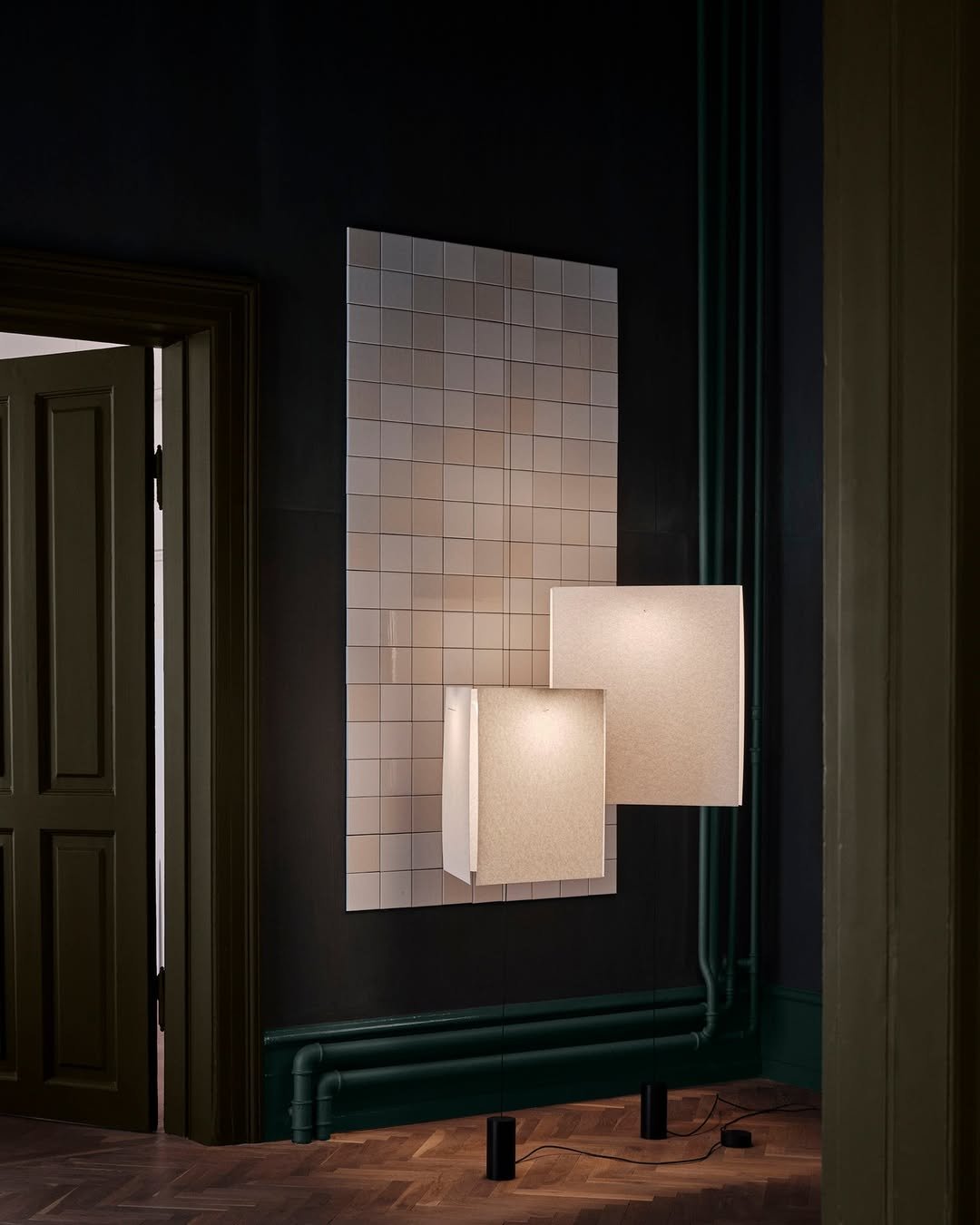
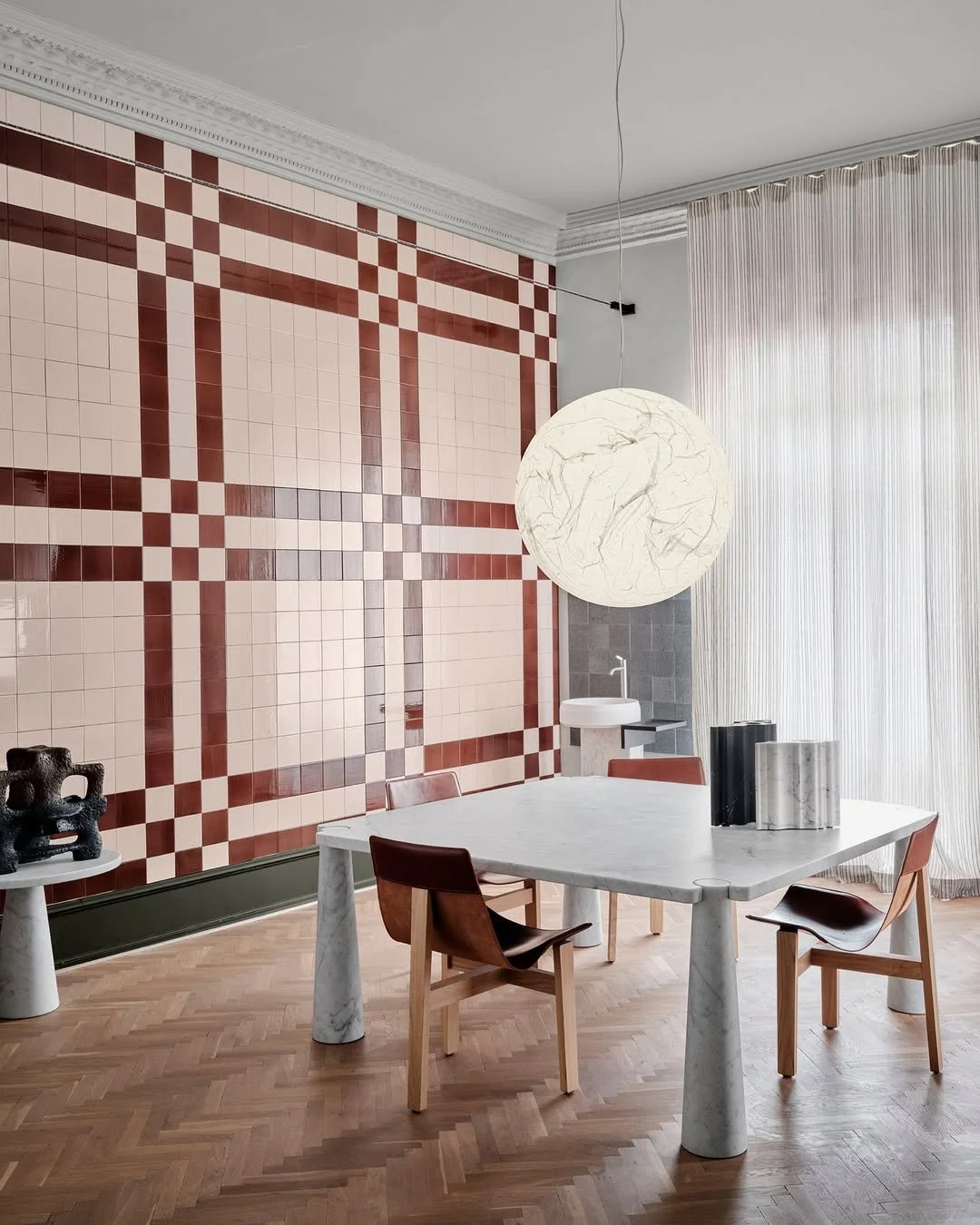
Davide Groppi approaches light as an emotion and an idea. His lamps are born of intuitive thinking, playfulness, and a desire to create light that does not dominate a space but rather highlights its essence. Art plays a particularly important role in his work—light that supports the artwork without drawing attention to itself. It is precisely this sensitive approach that gives the exhibition its special atmosphere and depth. In addition to legendary products, such as Moon, Stop, Masai, the new product Umasi —a dynamic pendant lamp made of Japanese paper—was also on display. Read more about Davide Groppi’s new products here or discover the brand’s products in our online store.
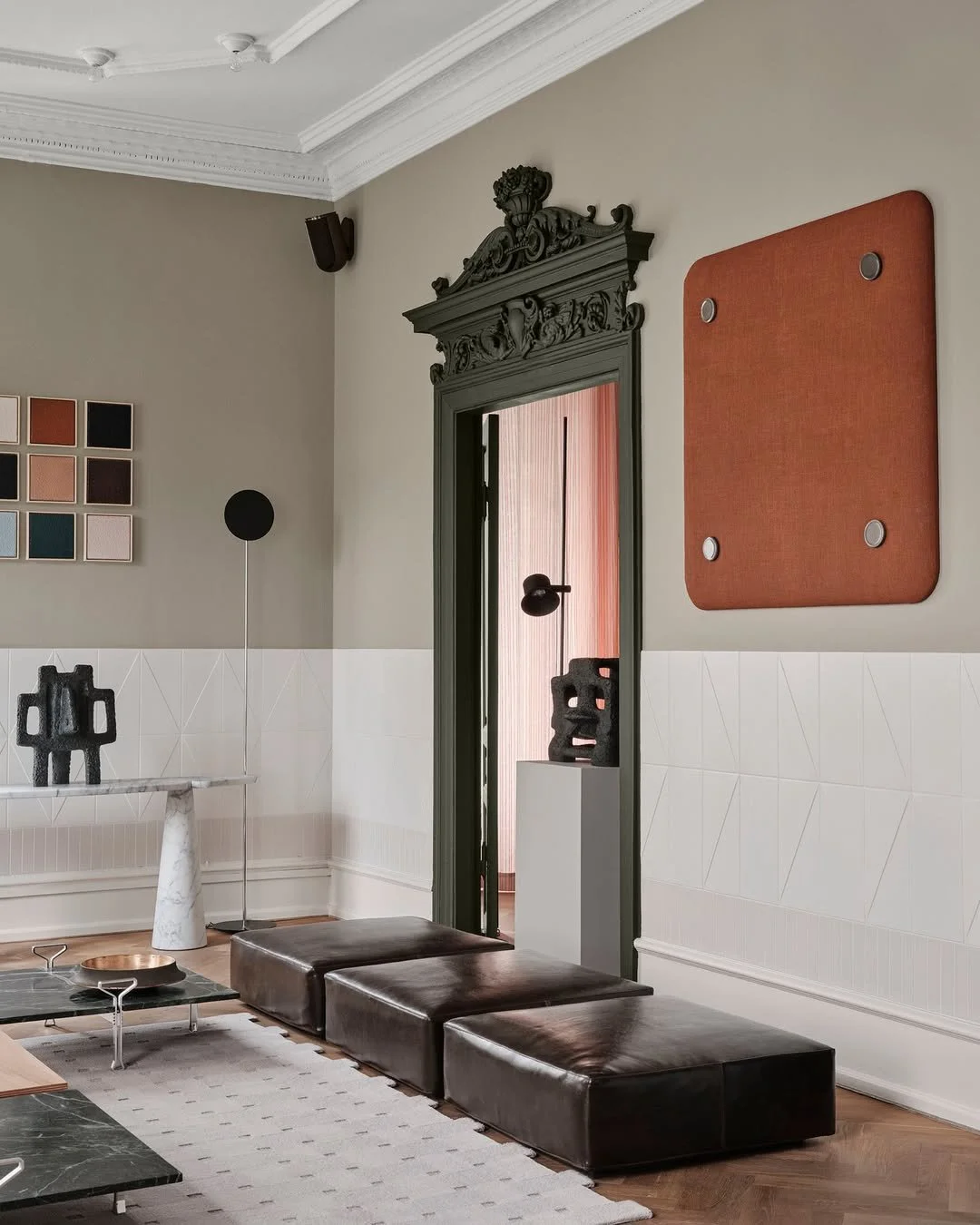
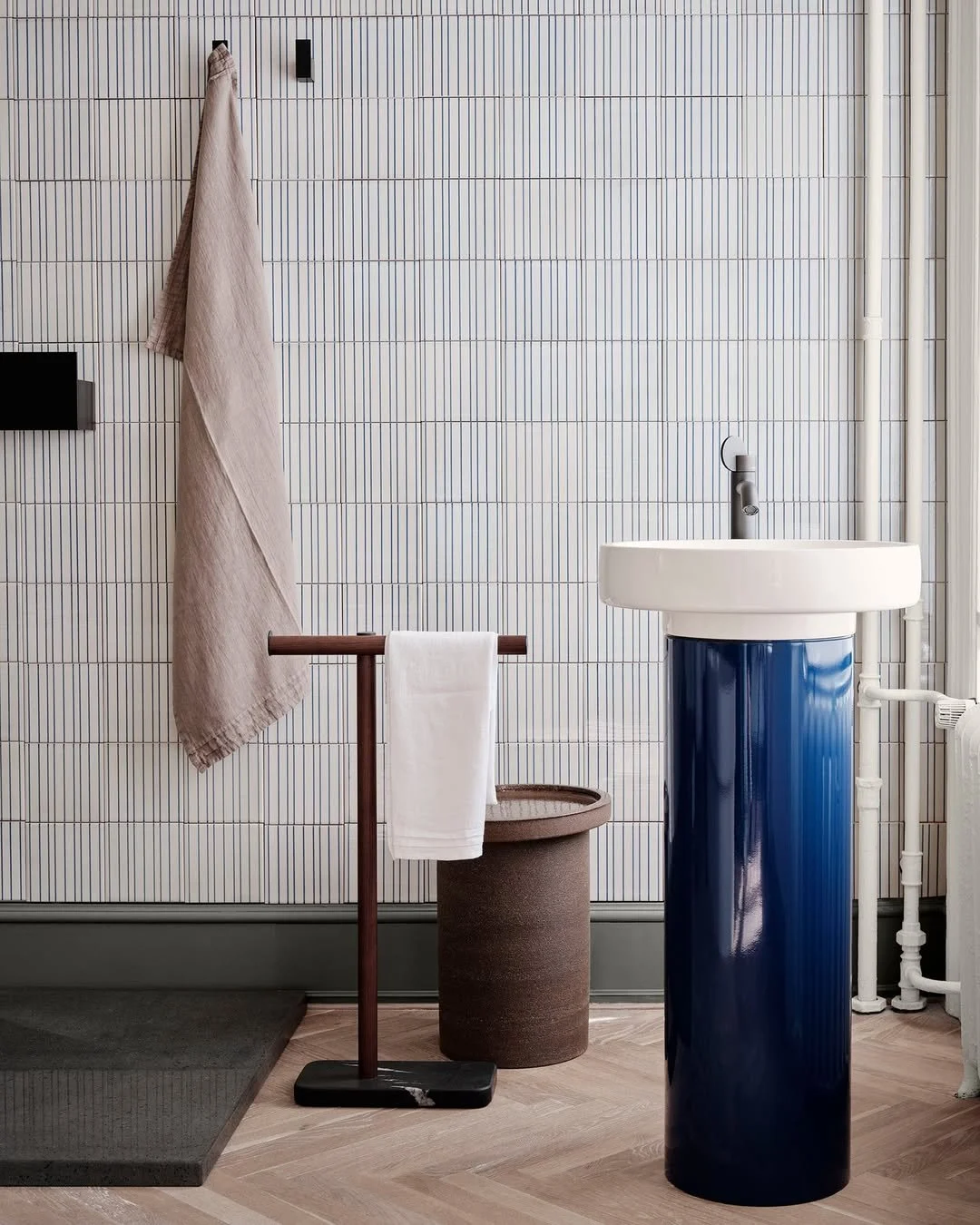
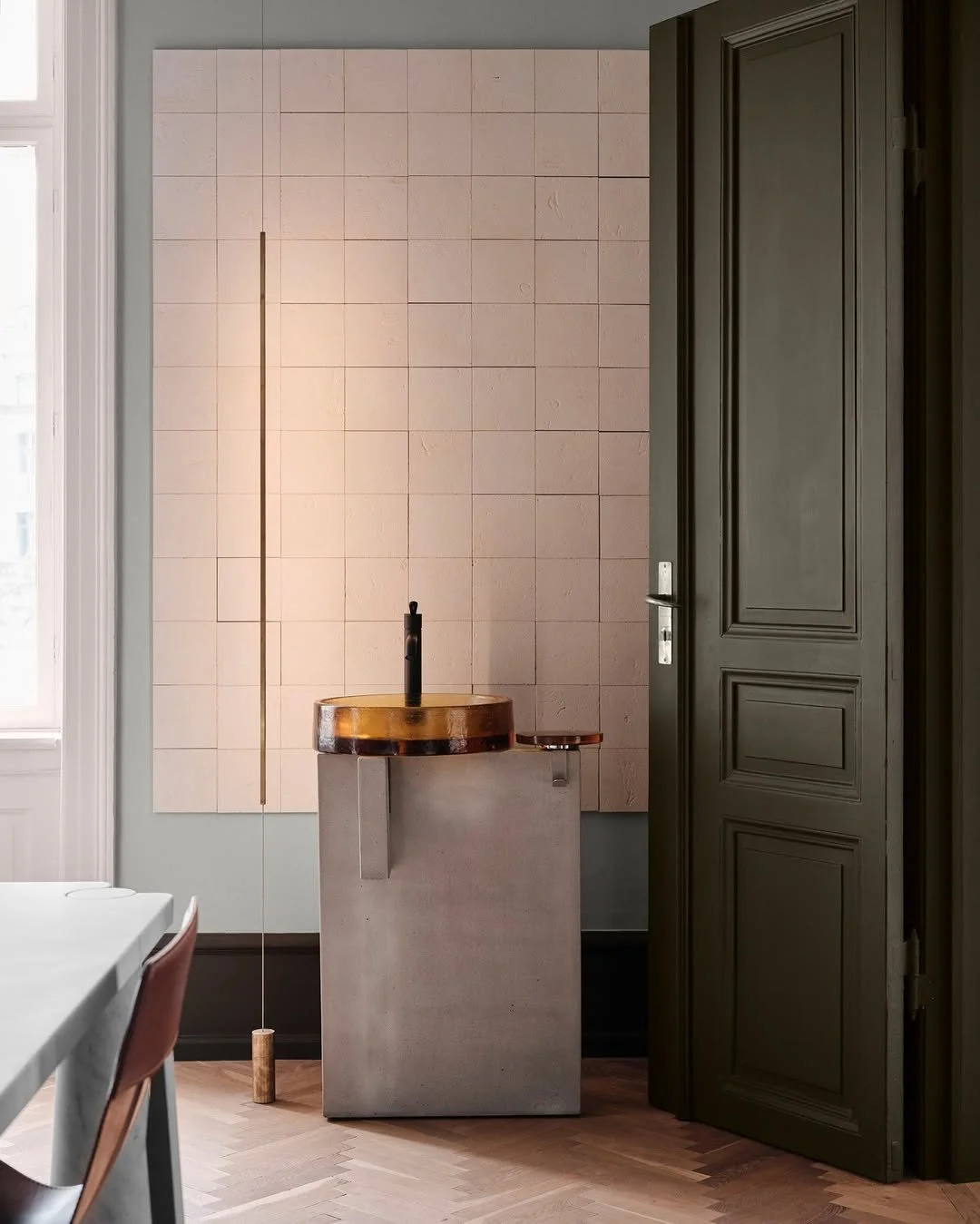
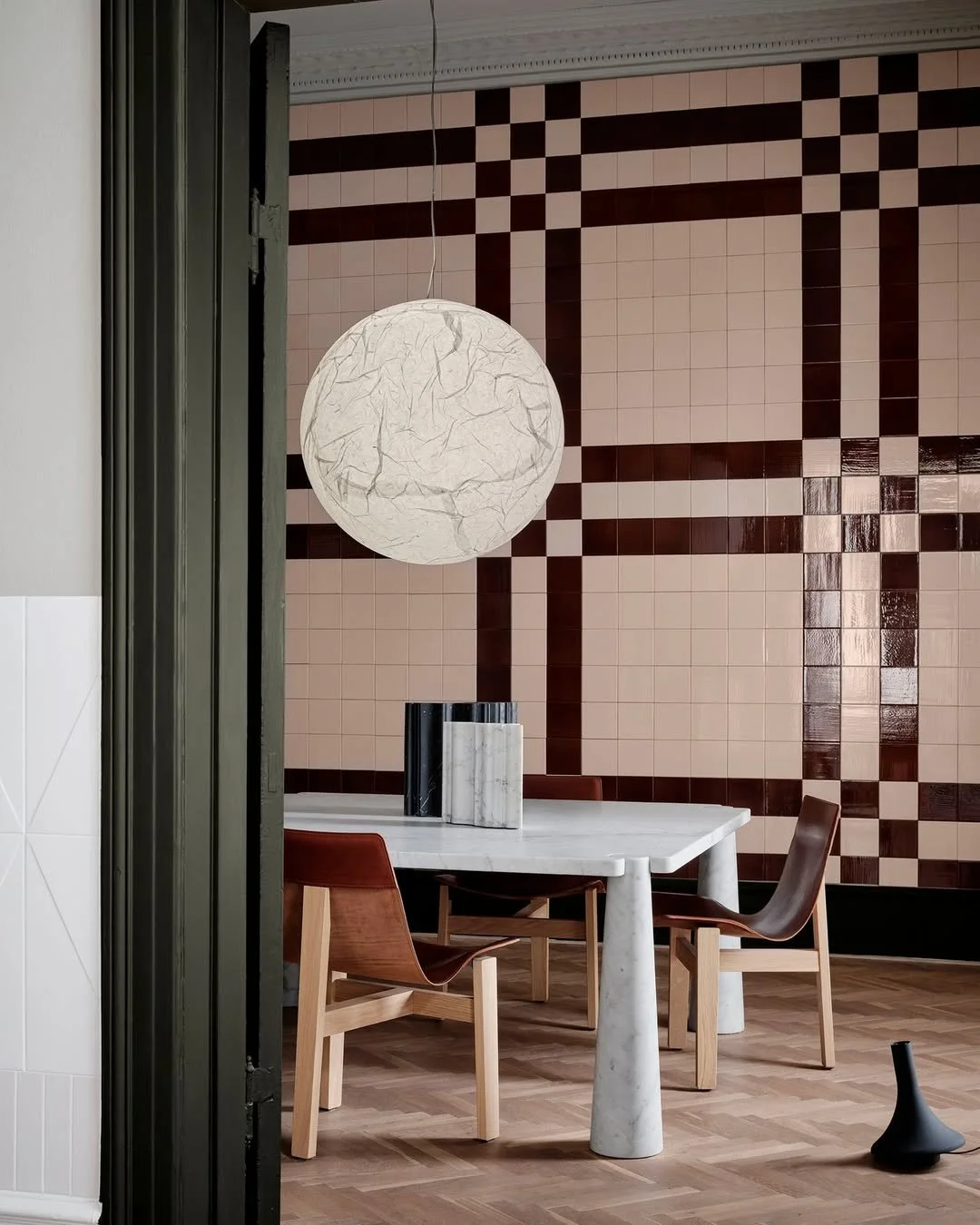
For more than 50 years, Agape has been designing bathrooms as an integral part of the living space, combining architectural thinking, timelessness, and a masterful understanding of materials. Their work does not follow fleeting trends but focuses on lasting quality and purity of form. Among the brand’s bathroom designs were the Cenote and the EDIDA award-winning Massicci glass-blown sinks.
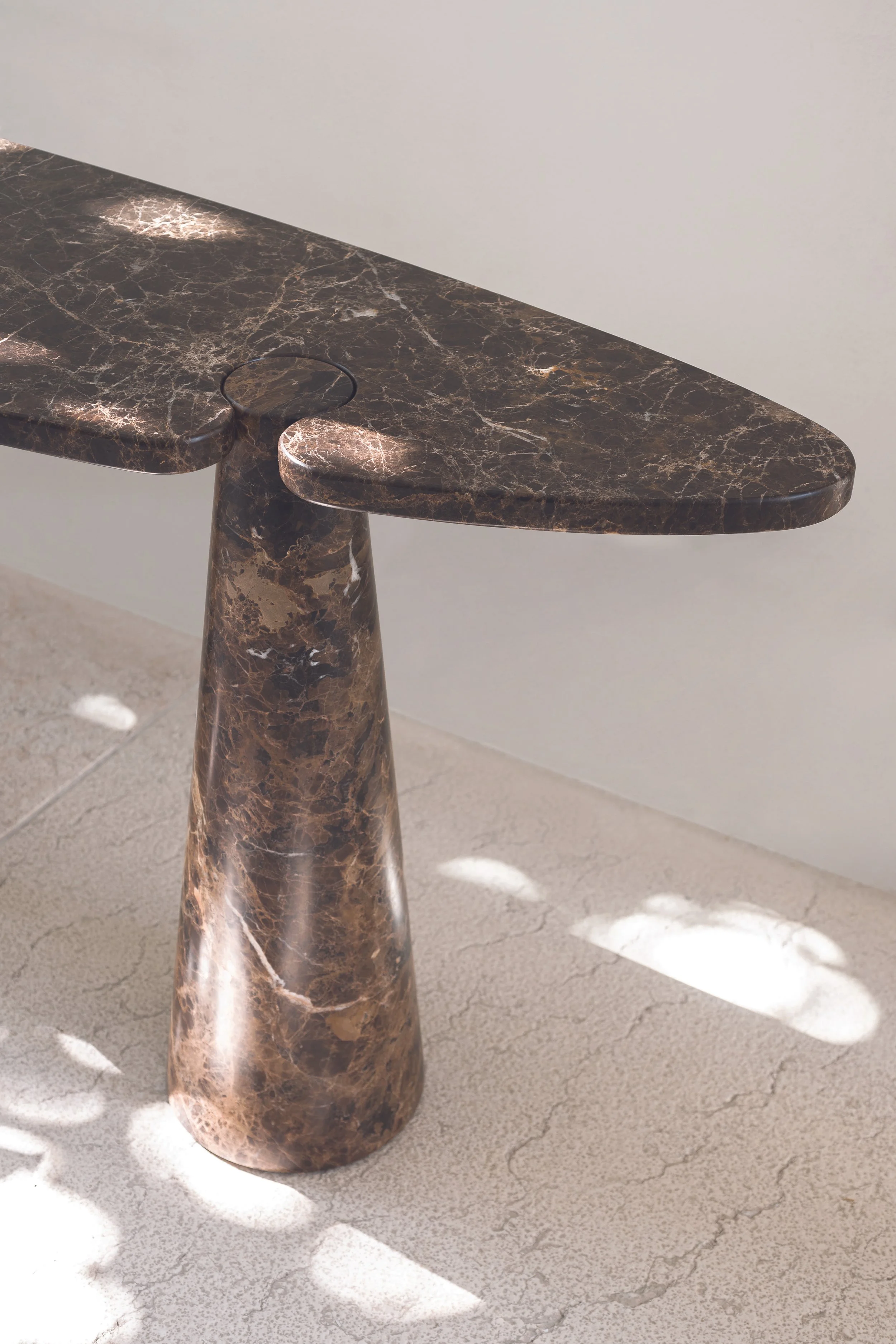
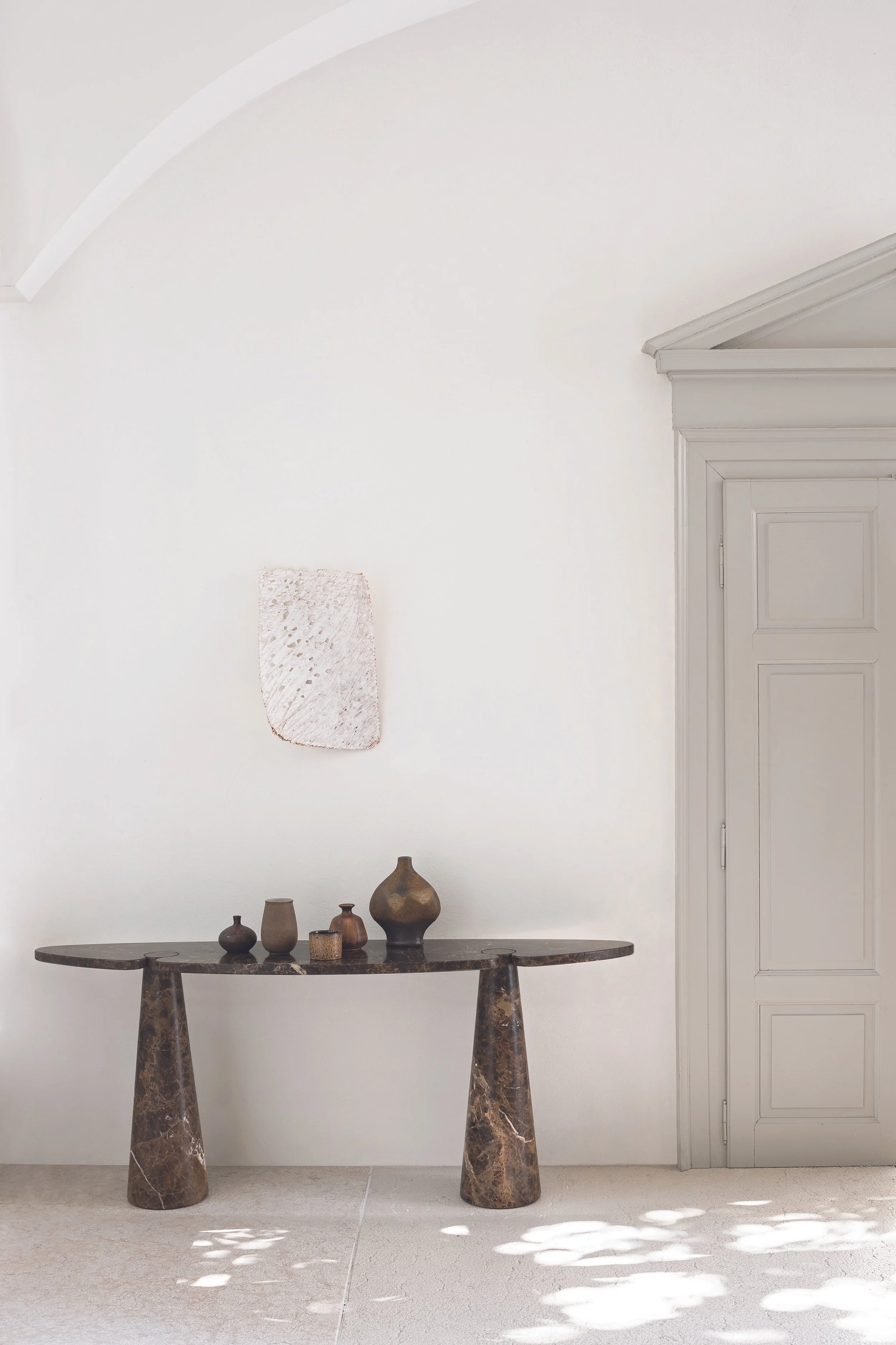
In the context of Agapecasa, it is also worth highlighting Angelo Mangiarotti’s Eros table collection, where engineering becomes poetry. The heavy stone tabletop appears to float above massive conical legs without any visible fasteners or joints. In reality, this simplicity conceals an exceptionally well-thought-out construction.
-
For the Italian architect and designer, design was never merely about creating form—it was a constant exploration of the possibilities of materials, gravity, and structures. As an architect, he believed that every object should honestly express how it is constructed. Created in 1971, Eros is one of his best-known and most influential designs. At first glance, the table seems almost impossible: the heavy stone tabletop appears to float above massive conical legs without any visible fasteners or joints. In reality, behind this simplicity lies an exceptionally well-thought-out construction.
Mangiarotti used gravity as a structural element. The tabletop and legs are precisely engineered so that their mutual weight and geometry create a completely stable whole without screws, glue, or metal joints. Every detail must be crafted with extreme precision, because the entire system functions only when all parts are in perfect balance. It is precisely this engineering elegance that makes Eros special. It is a table that demonstrates the strength and weight of stone, yet at the same time appears light, almost floating. More than fifty years after its creation, Eros continues to be an example of how innovation, craftsmanship, and timeless form can come together as one.
Today, Agapecasa produces this design classic in collaboration with the Mangiarotti Estate, preserving the original construction and honoring the master’s extraordinary vision. Eros is not just a table—it is a lesson in how beauty can emerge from the perfect harmony of physics, materials, and ideas.
ASTEP – LIGHT THAT CONNECTS THE PAST WITH THE FUTURE
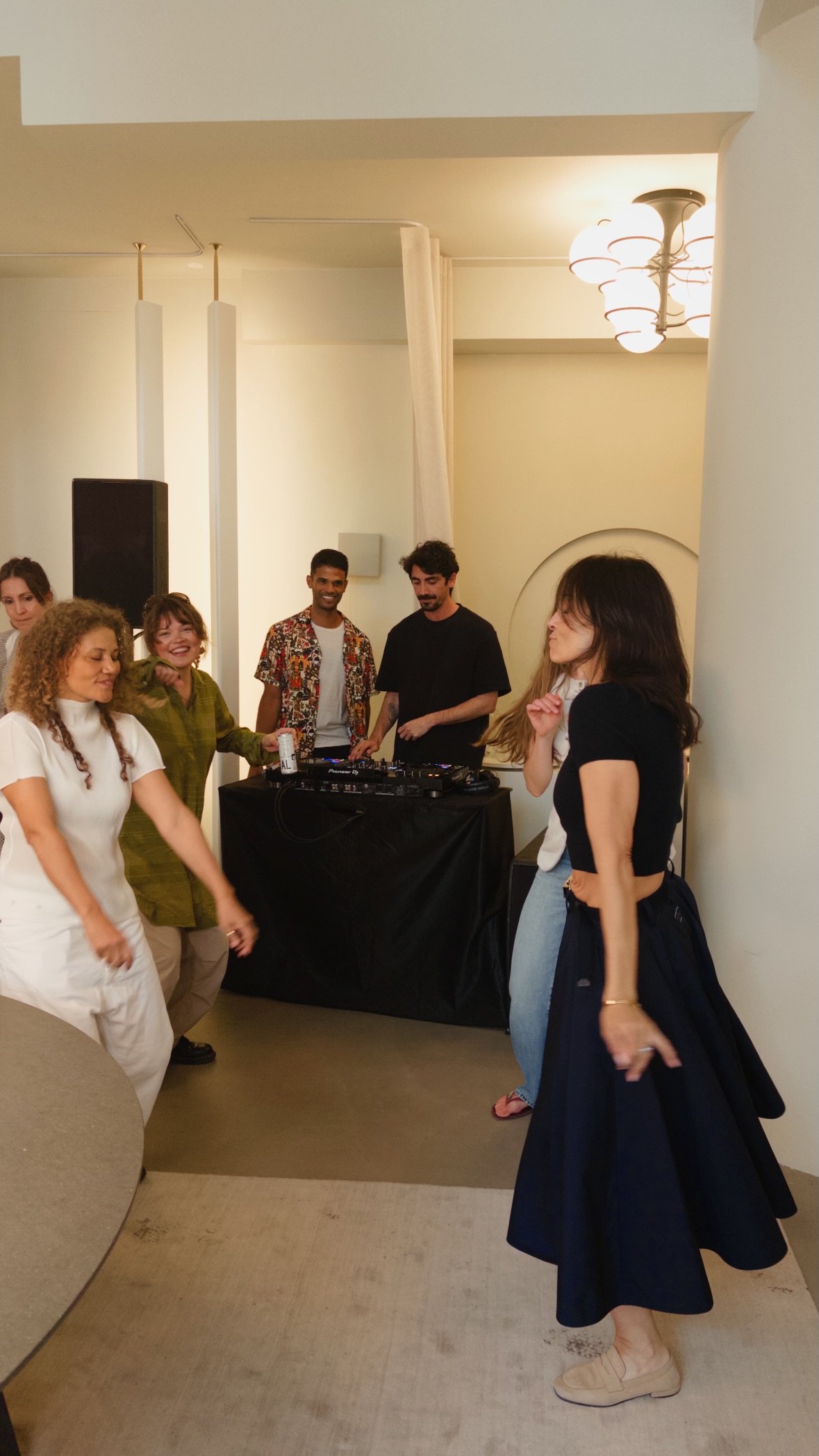
Visiting Astepi during 3daysofdesign always feels like visiting a friend. The family-like atmosphere, the warm welcome , and a space where historic design classics and contemporary innovation coexist naturally side by side. In addition to the peaceful daytime hours, the program featured Coffee Rave, Aperitivo, and product presentations that brought together design enthusiasts, architects, and lighting professionals.
Astep is a Danish-Italian design firm founded in 2014 by Alessandro Sarfatti, whose identity is rooted in preserving and developing timeless ideas. The Astep collection, where past and future go hand in hand, already features several standout products from recent years. Among them are Model 262, winner of the Monocle Design Award 2025, and Lille table and wall lamps, and the playful CinquantaCollection the Sorpresa, which offers a modern and elegant interpretation of the classic chandelier.
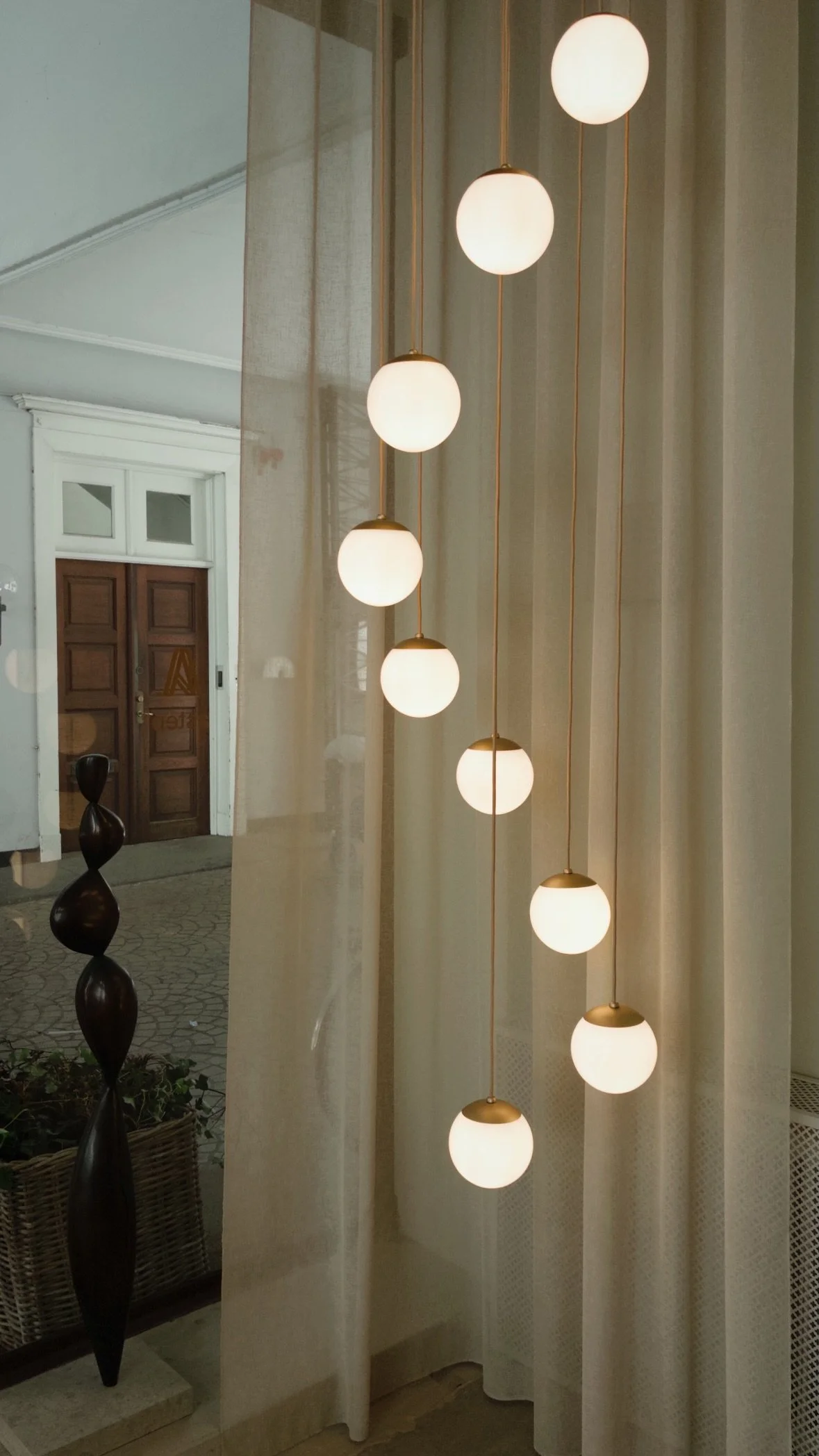
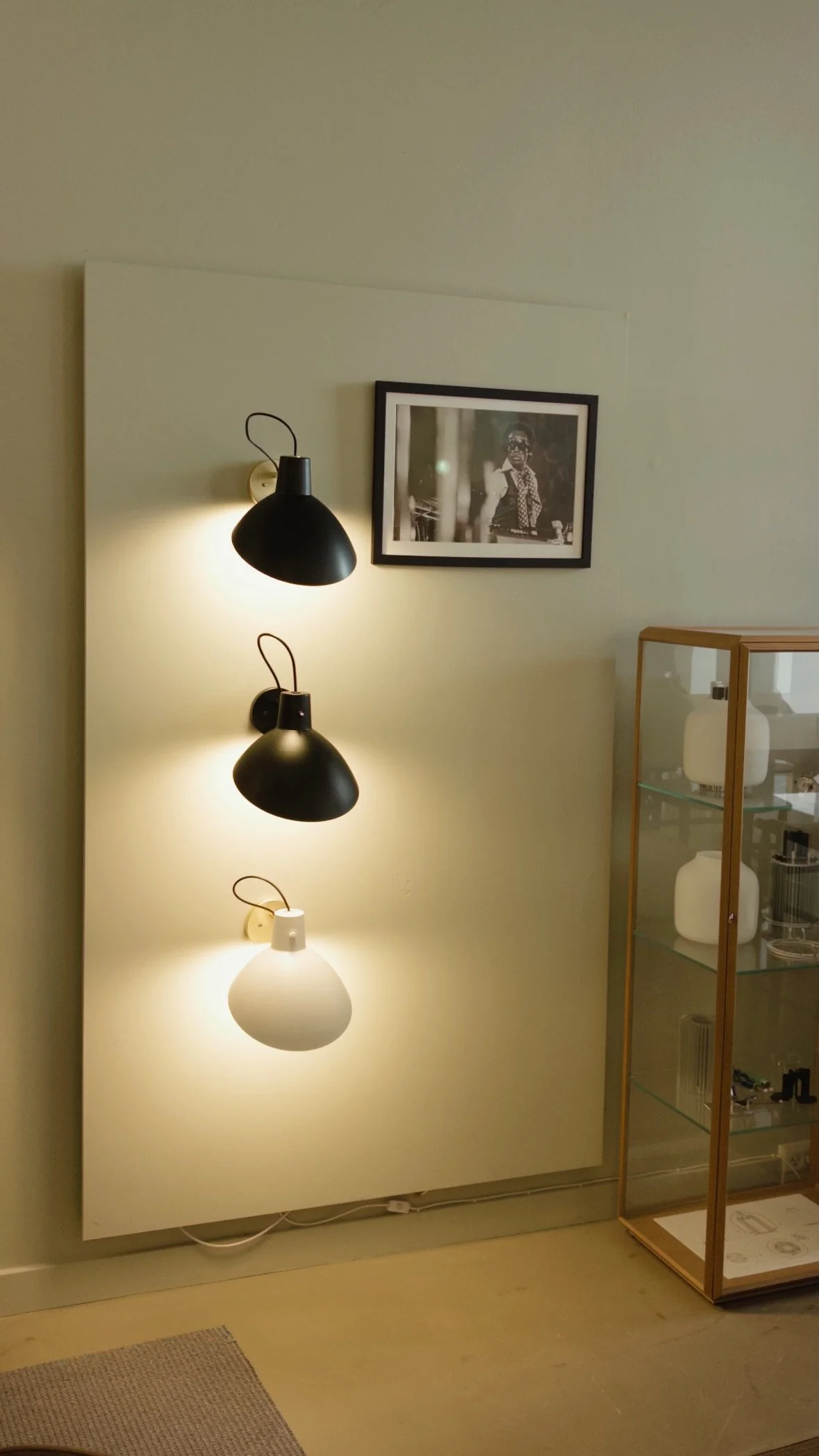
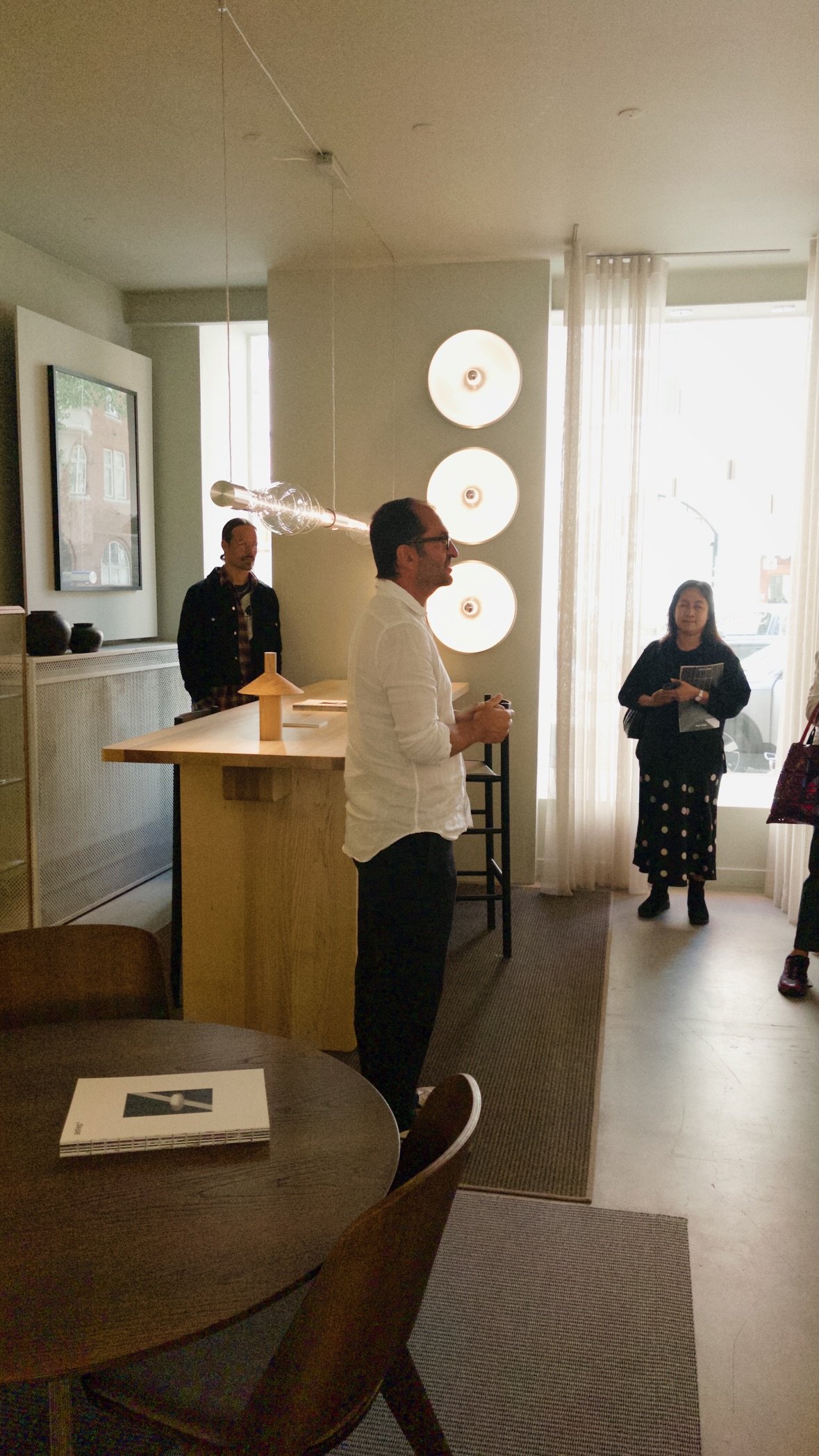
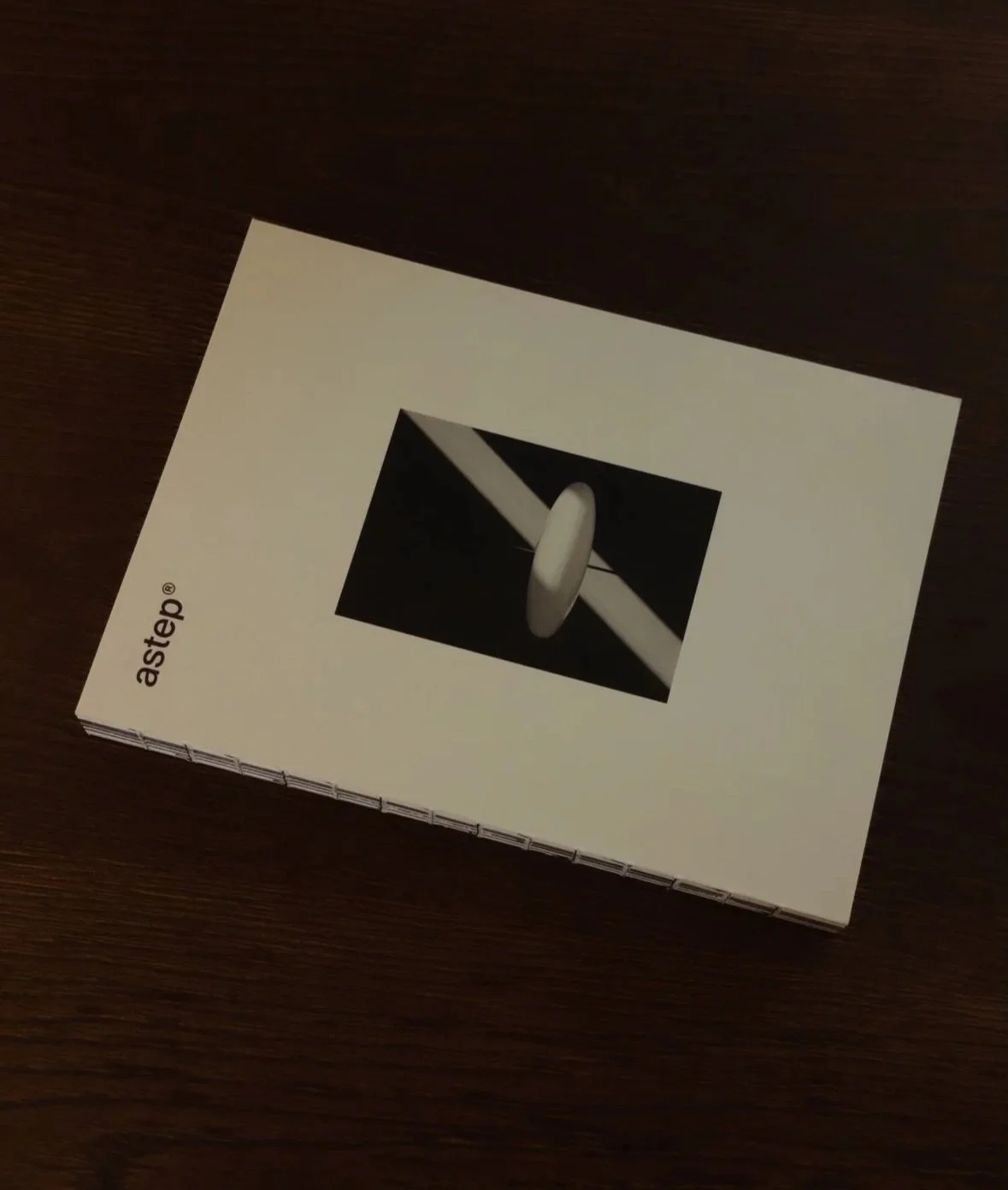
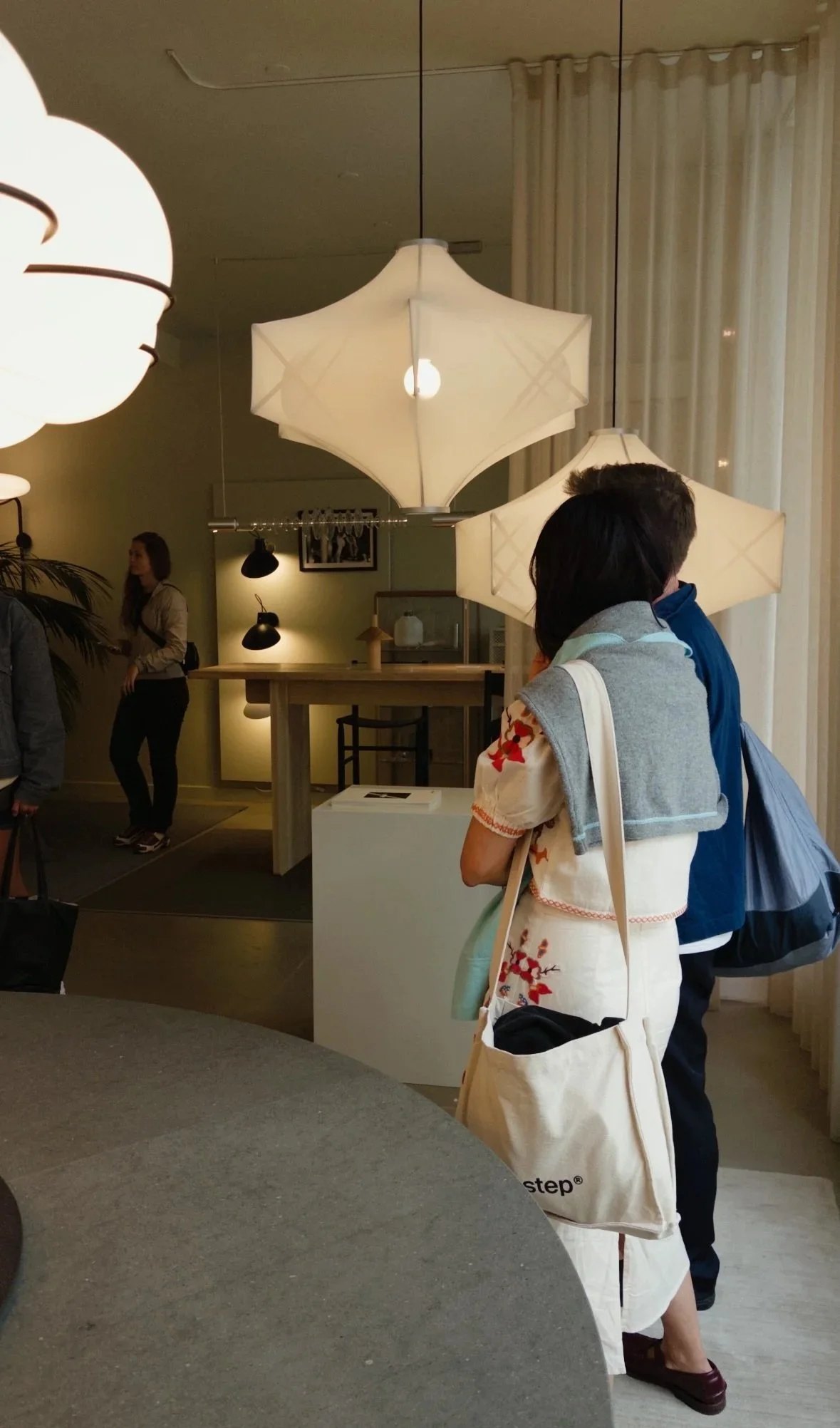
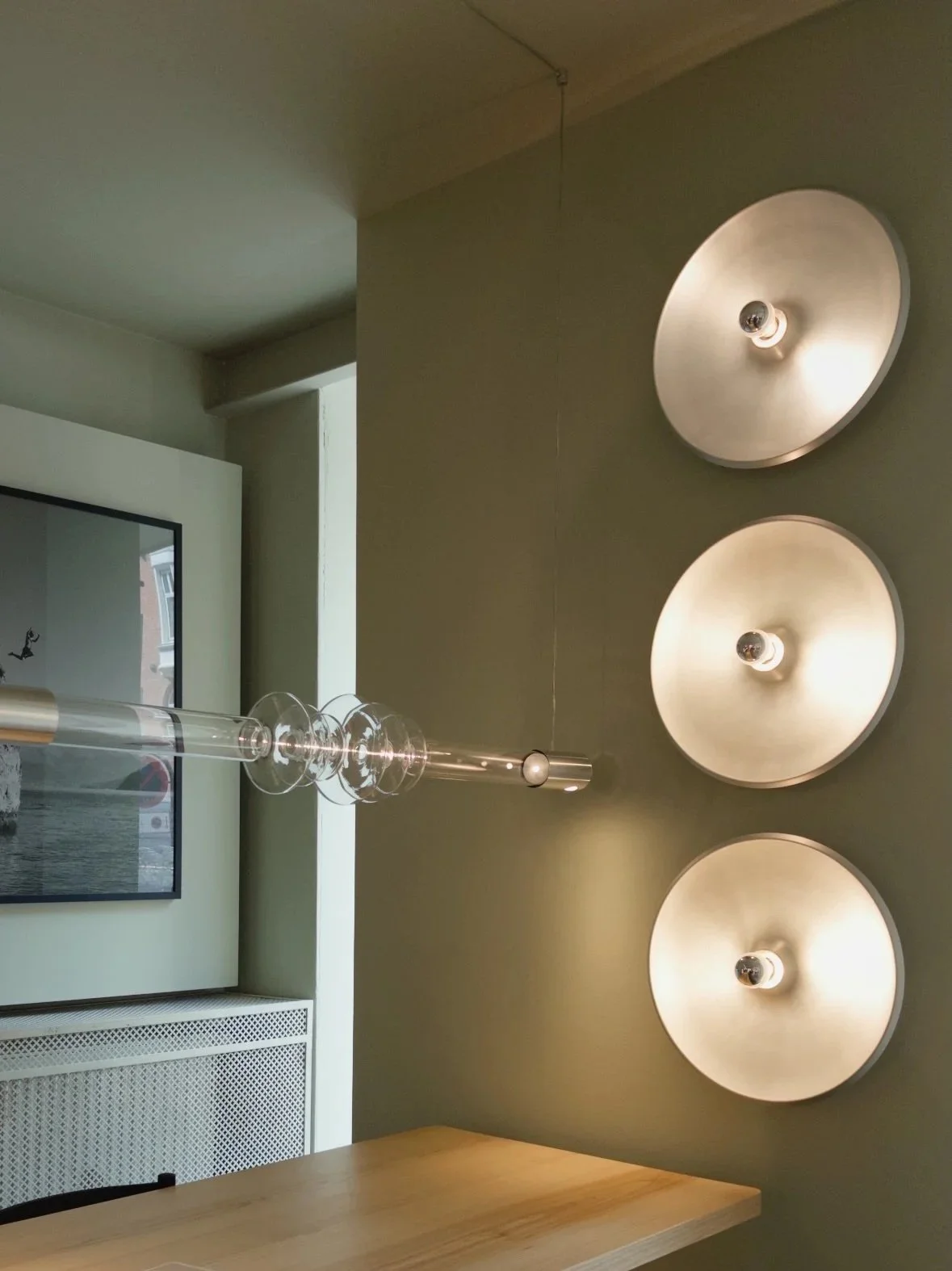
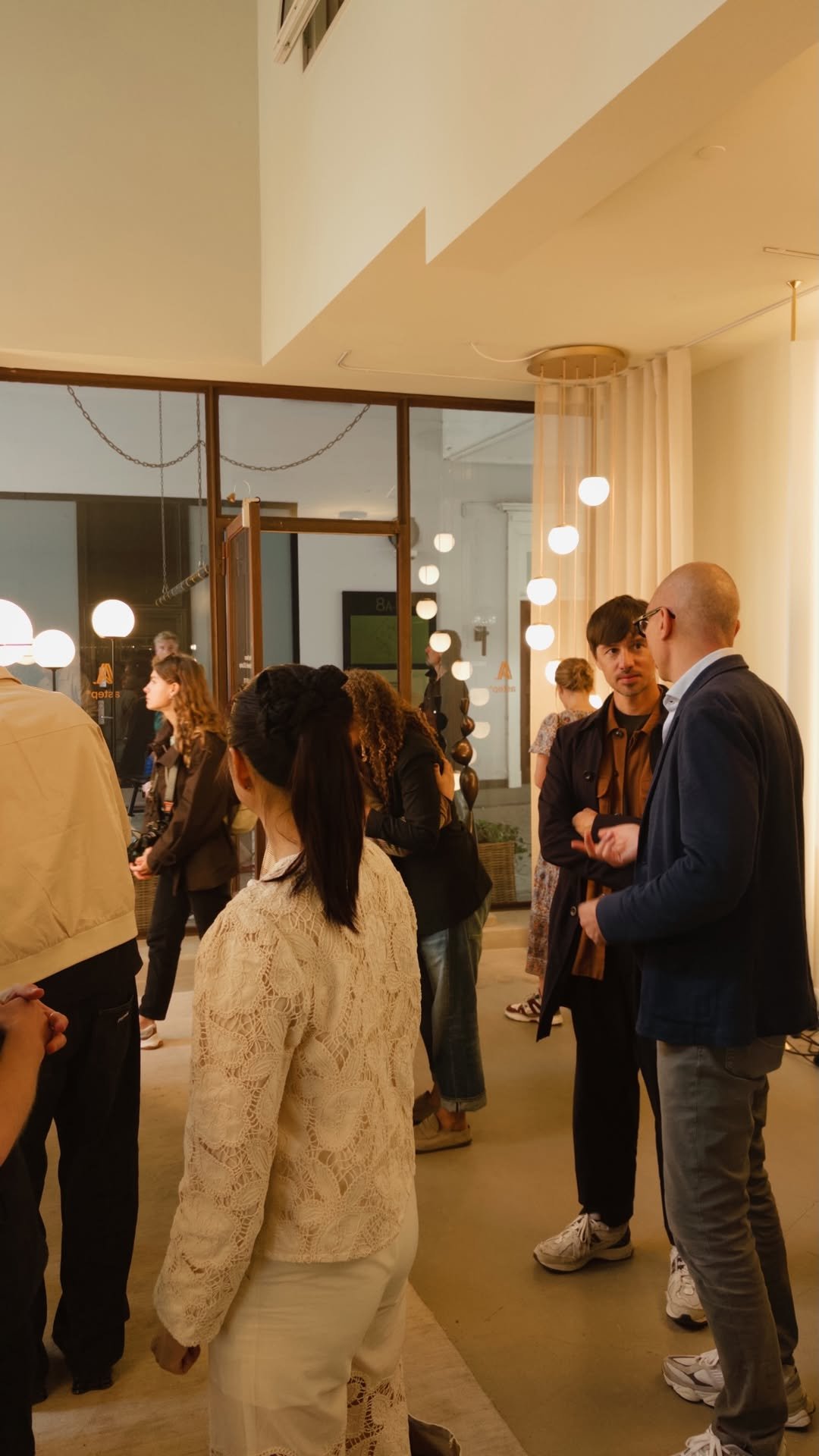
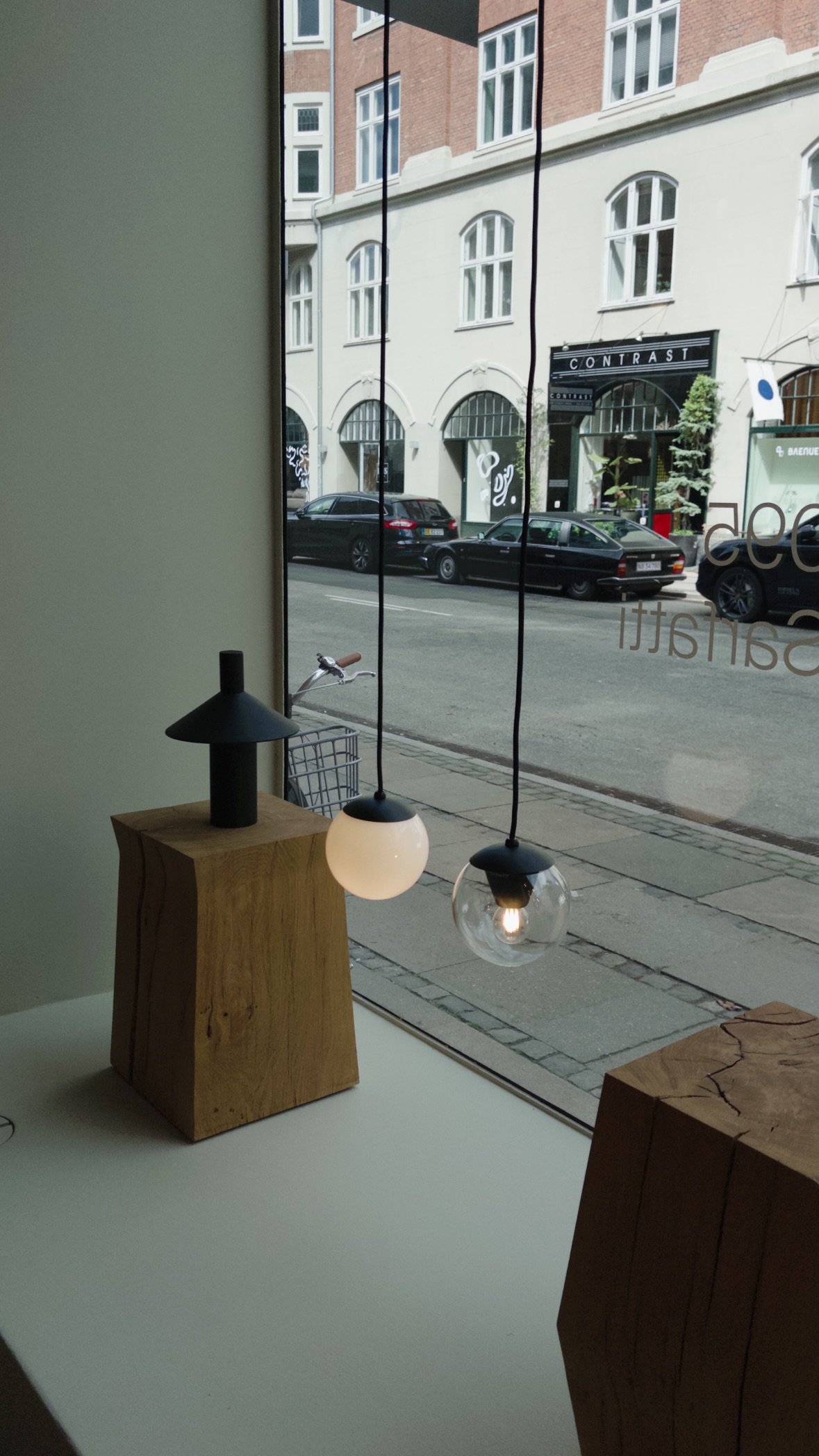
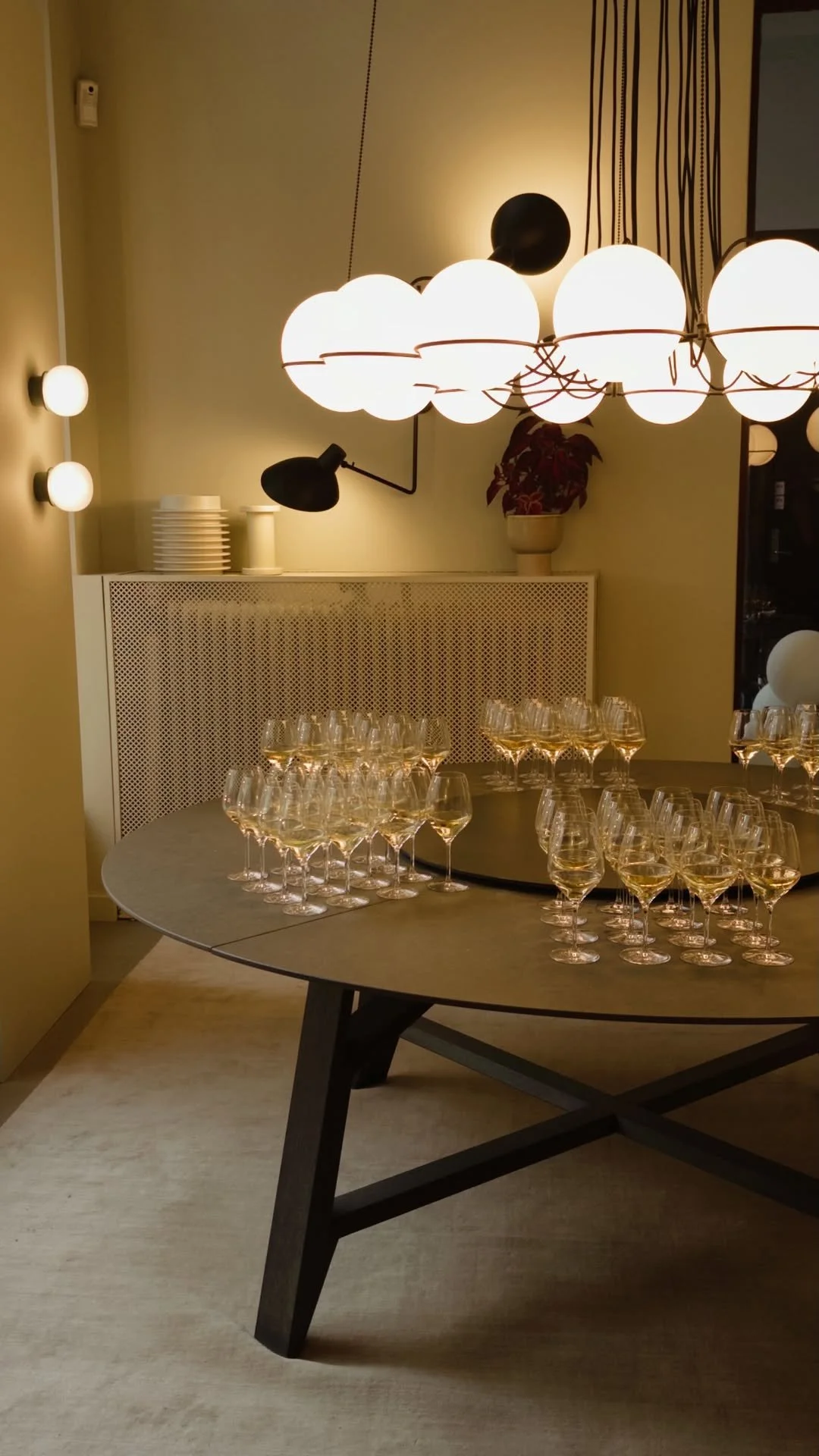
This year, two significant new products were added to the lineup: Model 2095 and Filamento. Like Collection entire Astep Collection, both new products reflect the brand’s philosophy: to honor design history while always looking toward the next step. That is precisely why Astep remains one of the most interesting destinations at 3daysofdesign—a place where classics are given new life and innovation is born out of a reverence for light.
-
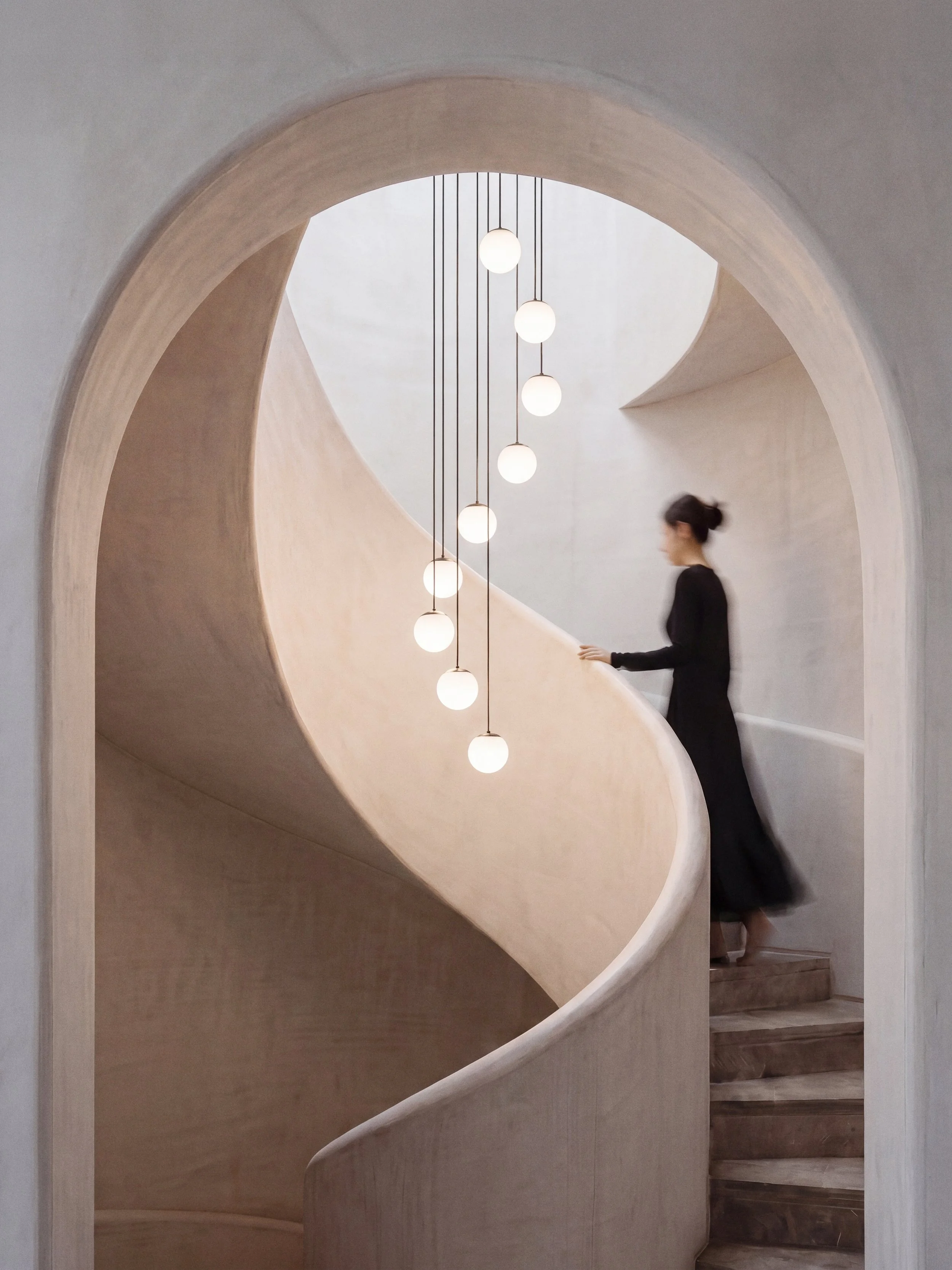
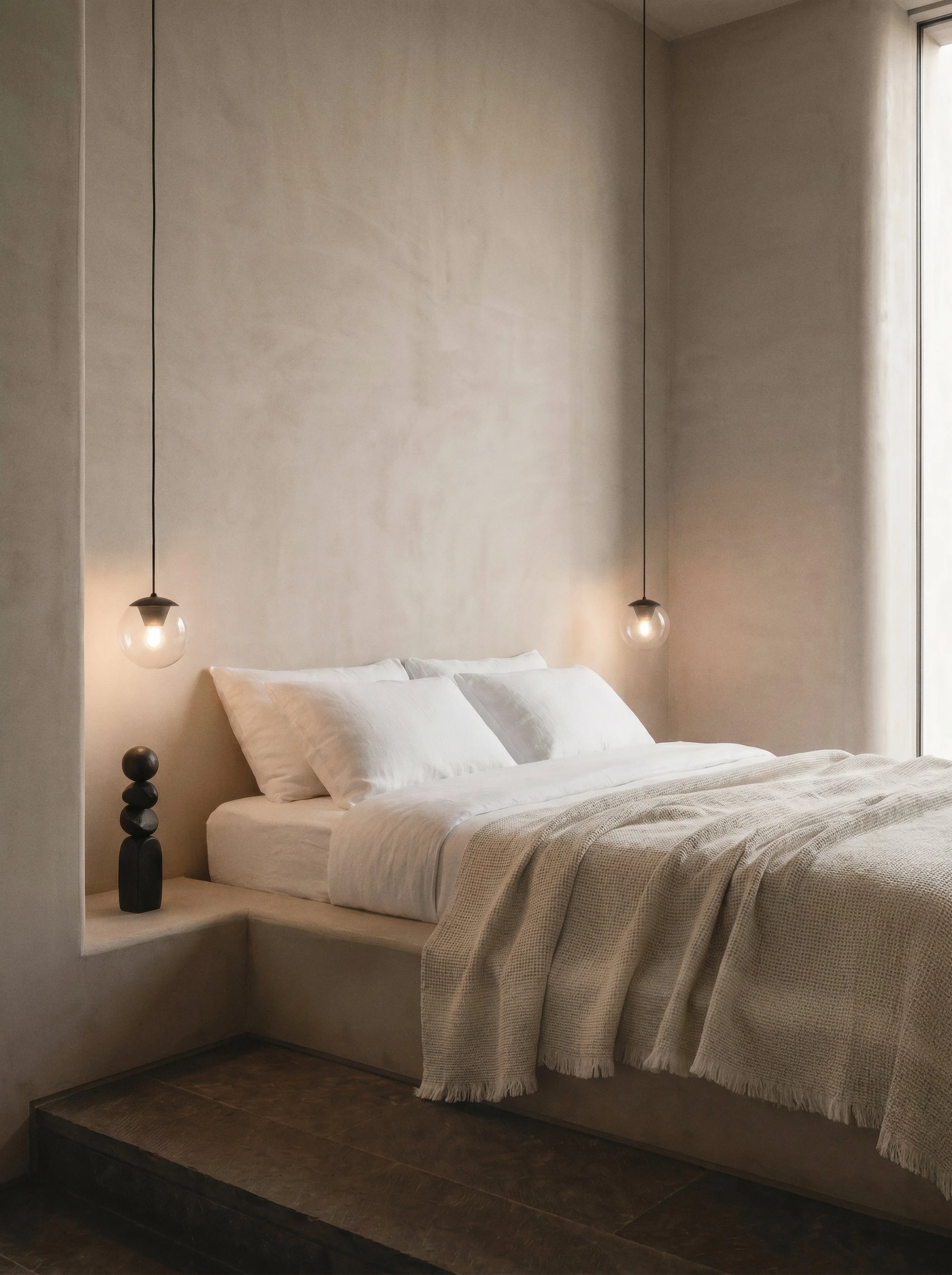
One of this year’s most significant new products was the Model 2095, a reissue of Gino Sarfatti’s 1958 design. Sarfatti is one of the most important figures in Italian lighting design. Over the course of four decades, he created more than 700 lamps and founded the company Arteluce in 1939, whose influence extends to the entire field of lighting design to this day. With a background in aeronautical engineering, Sarfatti approached light as both a technical challenge and a spatial element, constantly seeking new ways to use light in architecture.
Model 2095 belongs to his experimental "2000" series, which focused on the dialogue between light and architecture. At a time when the light compositions made of glass spheres that we are familiar with today were not yet widespread, Sarfatti was already exploring the architectural potential of light. The result was one of the first systems of pendant lights featuring cascading glass spheres. The light fixture is based on a simple idea—a light sphere repeated rhythmically throughout the space. Available in configurations of one, five, seven, nine, or twelve spheres, Model 2095 creates a vertical lighting composition suitable for stairwells, lobbies, hotels, and living spaces with high ceilings. It functions less as an object and more as a spatial tool that adds height, movement, and atmosphere to the interior.
-
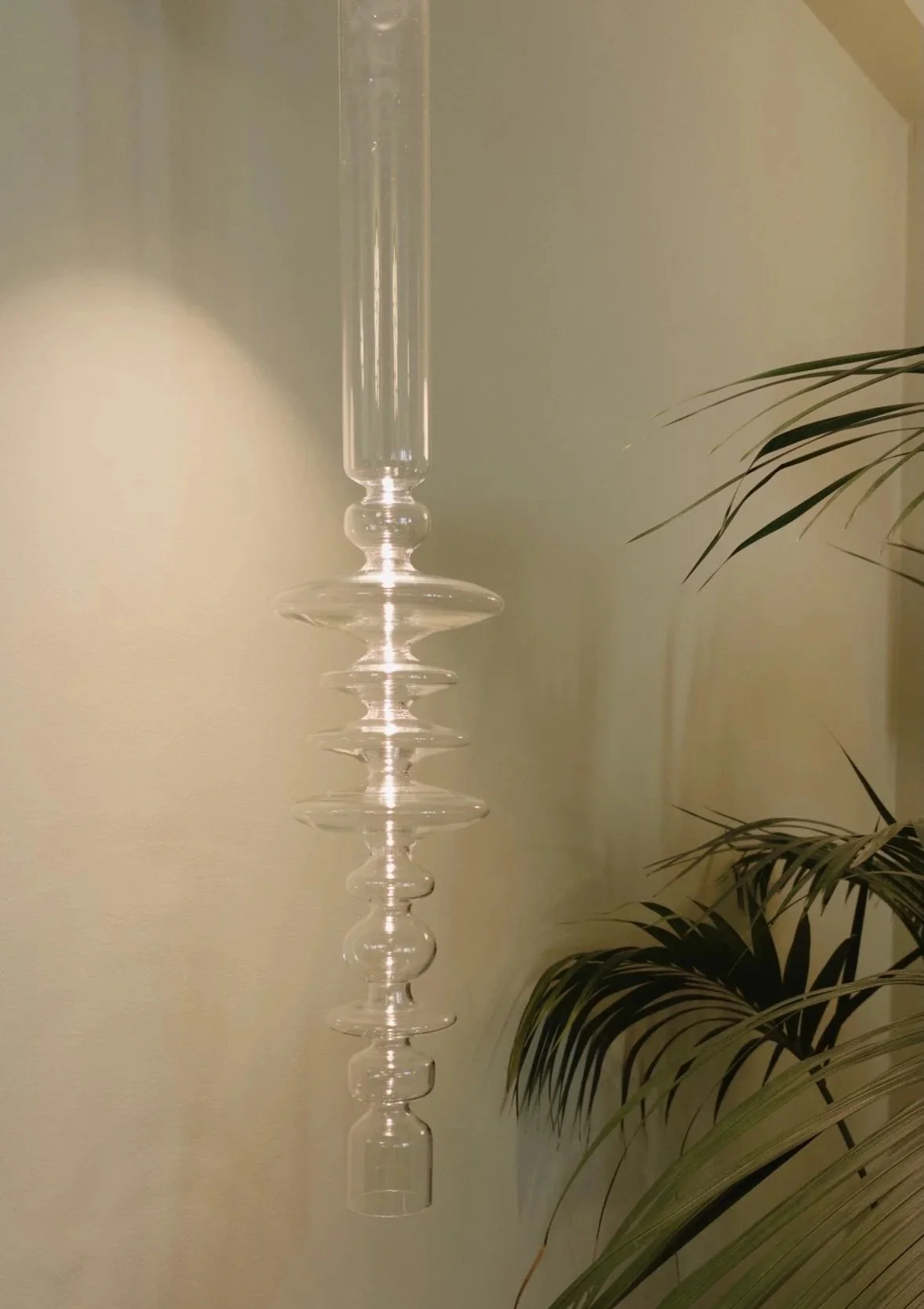
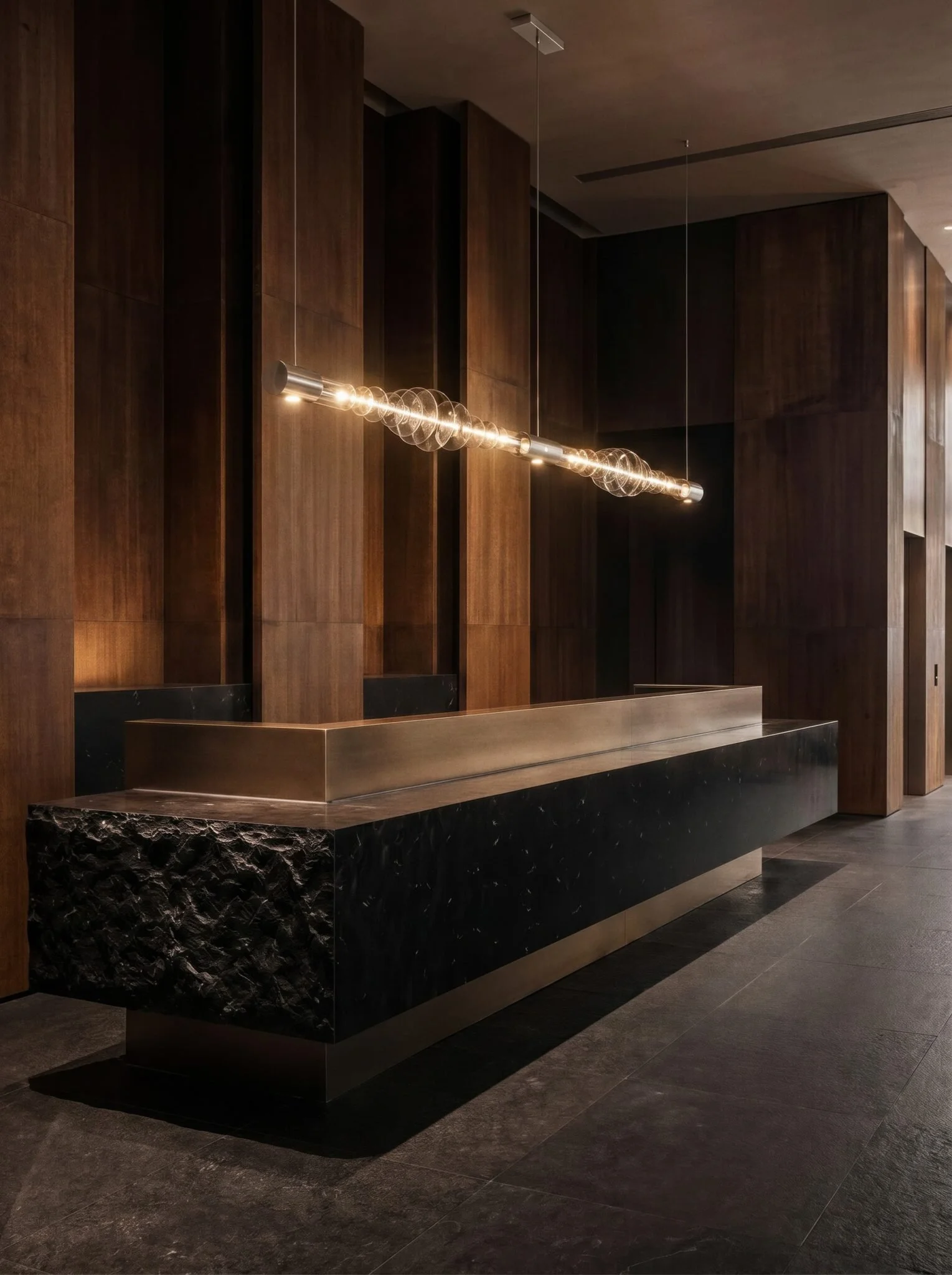
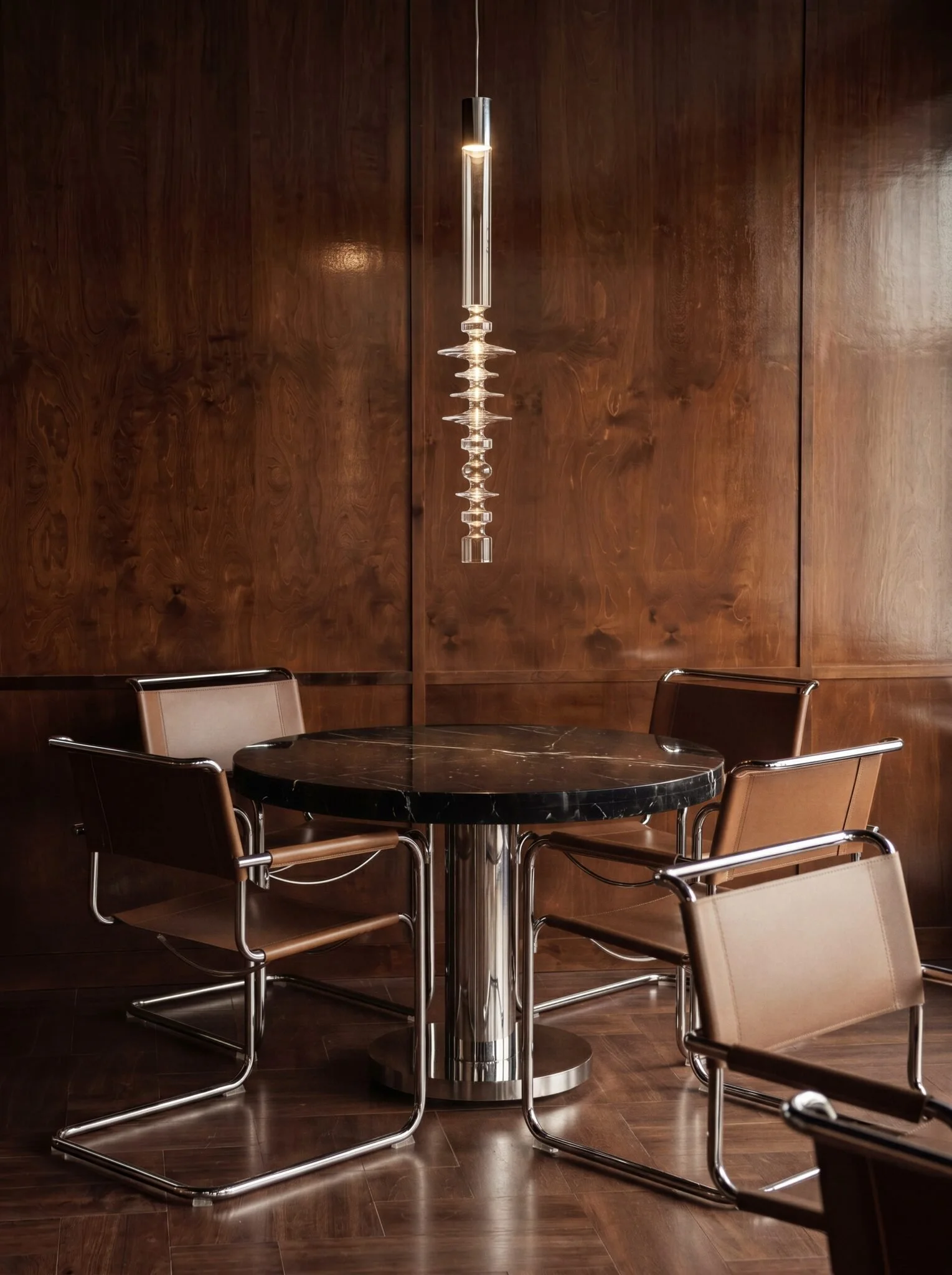
Another notable highlight was Filamento, created by Imanol Calderón Elósegui and Marta Alonso Yebra, the founders of the Madrid-based design studio Mayice Studio. Filamento was born out of an observation, not a design brief. While studying the behavior of light in glass, the designers discovered an optical phenomenon in which, under certain conditions, light converges into a single clear, glowing line. From that moment on, the lamp was born, with the goal not of shaping the form, but of making this phenomenon visible. Filamento speaks not so much of the lamp as an object, but of light itself—of how a single line of light can transform the atmosphere of an entire space.
Filamento’s geometry directs light through convex and concave glass surfaces in such a way that an almost ethereal beam of light emerges. When the lamp is turned on, the object itself recedes into the background, leaving the light as the focal point. The result is both a sculptural object and an architectural lighting element. Like Model 2095, Filamento is a modular system that allows for the creation of both individual lighting objects and large-scale compositions. Its clean and almost invisible form allows light to shape the space in its most elementary form.
MERIDIANI x CECCOTTI COLLEZIONI x CTO LIGHTING
Meridiani, Ceccotti Collezioni, and CTO Lighting collaborated to create an environment that perfectly captured the dialogue between Italian design and the Scandinavian way of life. The space was characterized by deep green tones, dark wood surfaces, velvety browns, soft beiges, and a rich interplay of materials and textures. The result was a cozy, inviting, and layered interior with a slightly darker and more intimate character. The combination of furniture, lighting, and artwork created an atmosphere where every detail felt carefully considered yet natural.
Although Meridiani, Ceccotti Collezioni, and CTO Lighting draw from different design traditions, they are united by a shared set of values—a respect for high-quality materials, durability, comfort, and timeless elegance. The exhibition proved once again that good design knows no geographical boundaries.
Learn more about each brand’s role in the display:
-
Meridian creates interiors where elegance stems not from excessive details, but from balance, proportion, and the quality of materials. The brand’s aesthetic is understated yet distinctive— luxurious without being ostentatious. Their furniture creates spaces that feel both contemporary and timeless.
At the Rue Verte exhibition, this approach was highlighted by a number of new and beloved products. The new René bed brought soft, sculptural forms to the center of the bedroom, while the classically styled Louis sofa added warmth and elegance to the space. The combination of velvety fabrics, dark wood tones, and soft neutral colors created an atmosphere that invited you to linger.
Also worthy of note were the high-gloss Henry desk, the elegant Ronny nightstand, and the Blake coffee tables, whose simple forms demonstrated Meridian’s ability to create furniture that doesn’t need excessive flourishes to attract attention. It is precisely this understated confidence that is one of the reasons why Meridian’s designs remain relevant years after their creation.
-
Ceccotti Collezioni is one of those rare Italian brands where every piece reflects decades of masterful craftsmanship. The company has its roots in Tuscany, and at the heart of its identity lies wood— a material treated with respect, patience, and exceptional precision.
The iconic leather DC chaise longue stood out at the 3daysofdesign exhibition. Its flowing lines and organic form demonstrate Ceccotti’s ability to transform a complex structure into a visually striking piece. The chair functions simultaneously as both a sculpture and a functional object, inviting the user to slow down and experience the space.
Ceccotti’s strength lies in the details. Bent wood, flawless joints, and hand-finished surfaces give each piece a depth that is difficult to achieve through industrial production. Their creations prove that true luxury lies in craftsmanship and in pieces that only grow more valuable with time.
-
The British lighting brand CTO Lighting is known for its ability to combine fine materials, craftsmanship, and contemporary design. Their lights are not designed merely to illuminate a space, but to shape the atmosphere and evoke emotions. Alabaster, hand-finished metal, and mouth-blown glass form the central language of their collections.
This year’s display featured the new Yukimi pendant light, in which alabaster diffuses the light softly and naturally. Also standing out was the Lucid table lamp designed by Michael Verheyden, inspired by Parisian brasseries and snow globes. The combination of alabaster, satin brass, and an oxidized silver finish makes it both a functional light and a sculptural object.
The crowning touch of the room was the Nimbus chandelier. Composed of handcrafted glass discs, the fixture looks like a work of art when turned off and creates a soft, enchanting play of light when turned on.
CTO Lighting demonstrated once again that light is not merely a technical necessity, but one of the most important elements in creating a room’s character.
All the inspiration you need for your home project
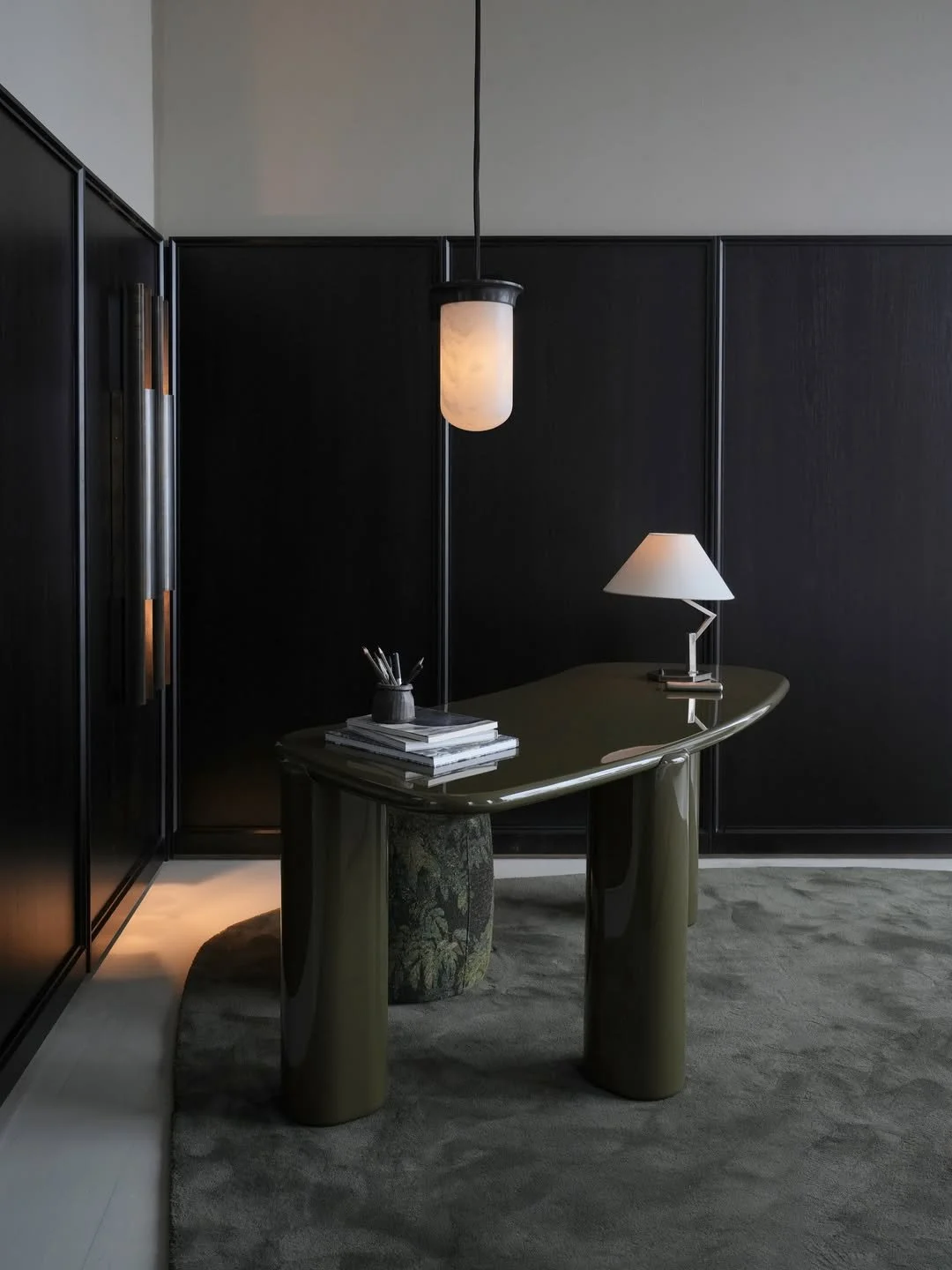
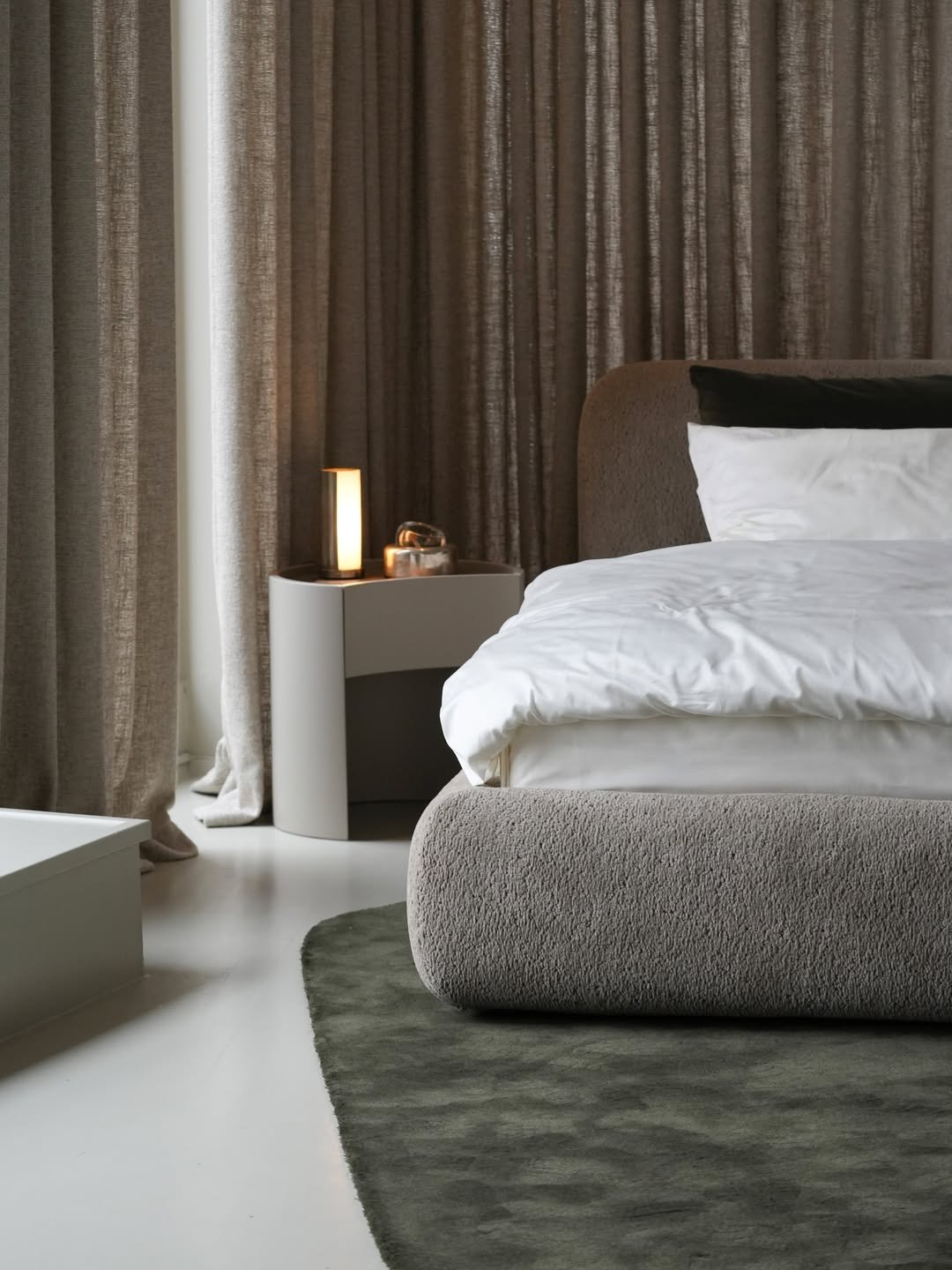
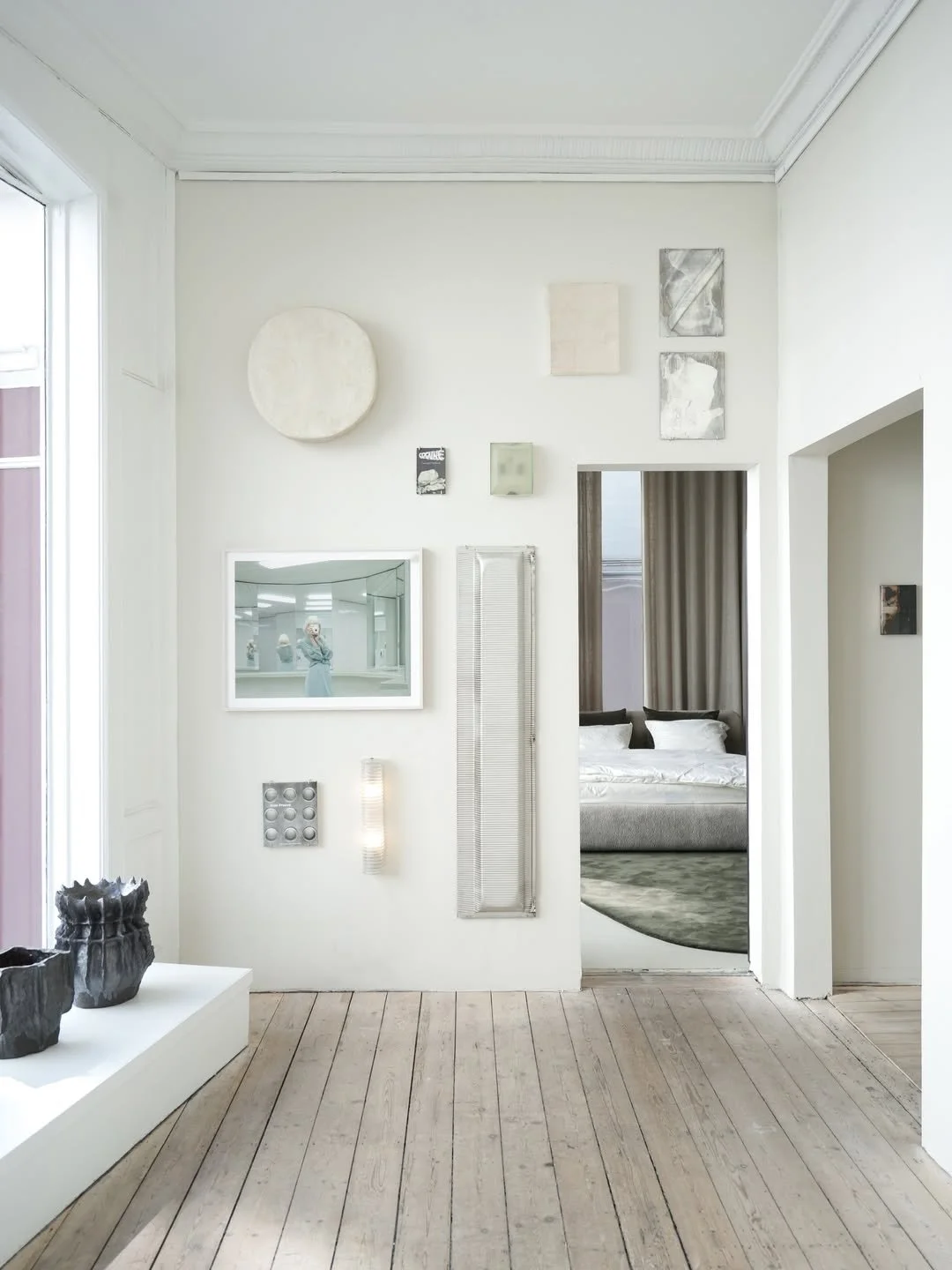
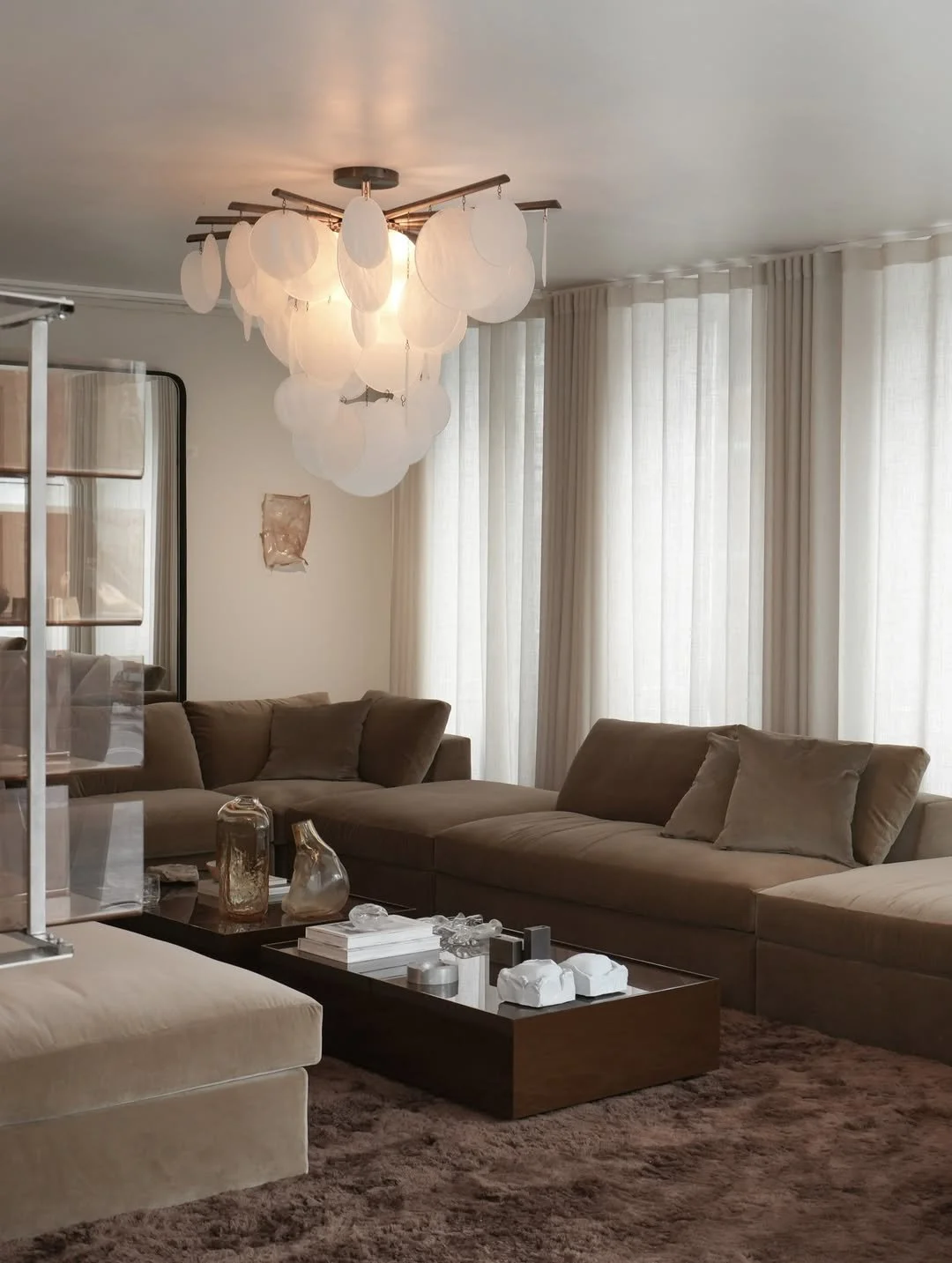
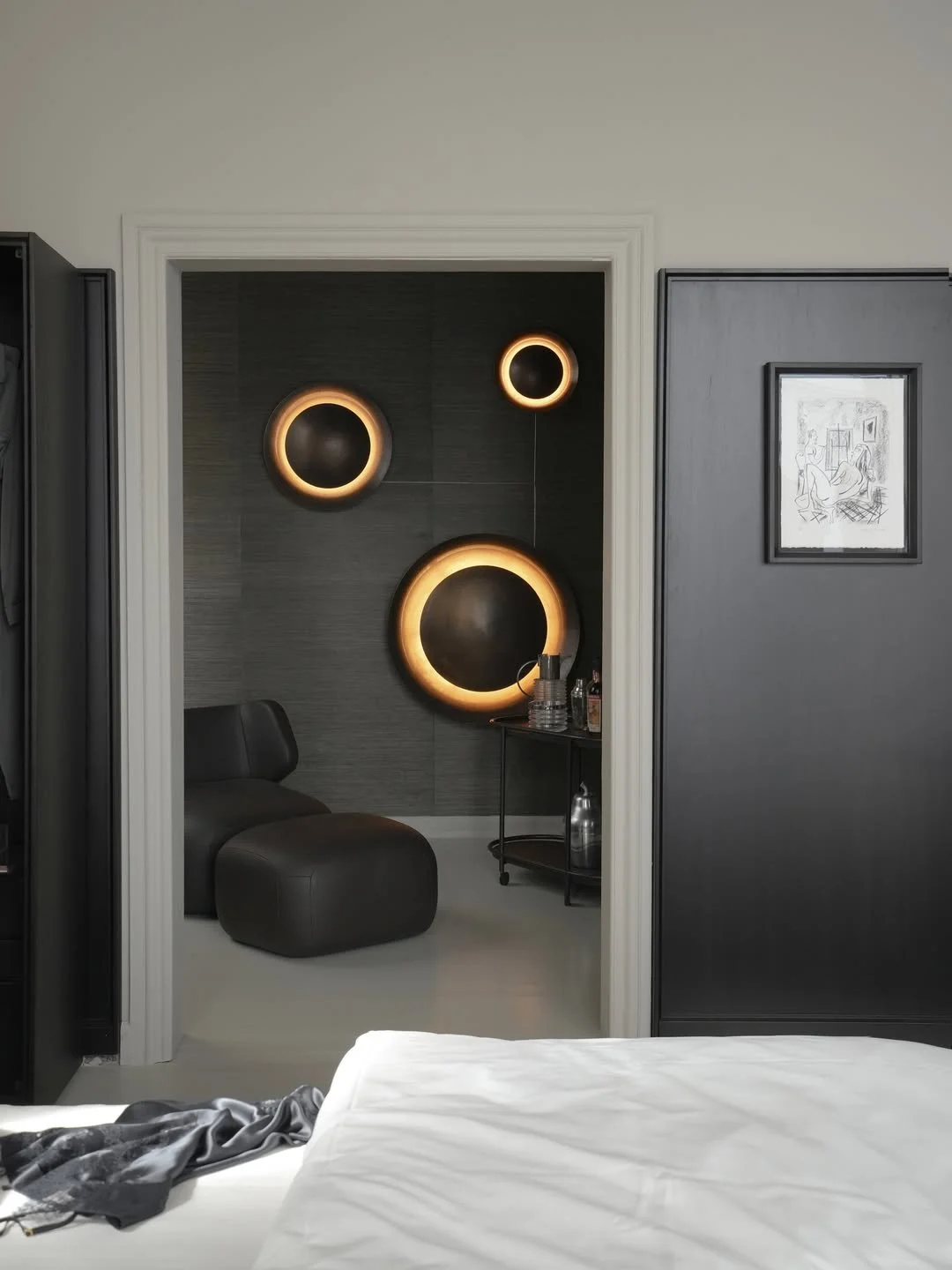
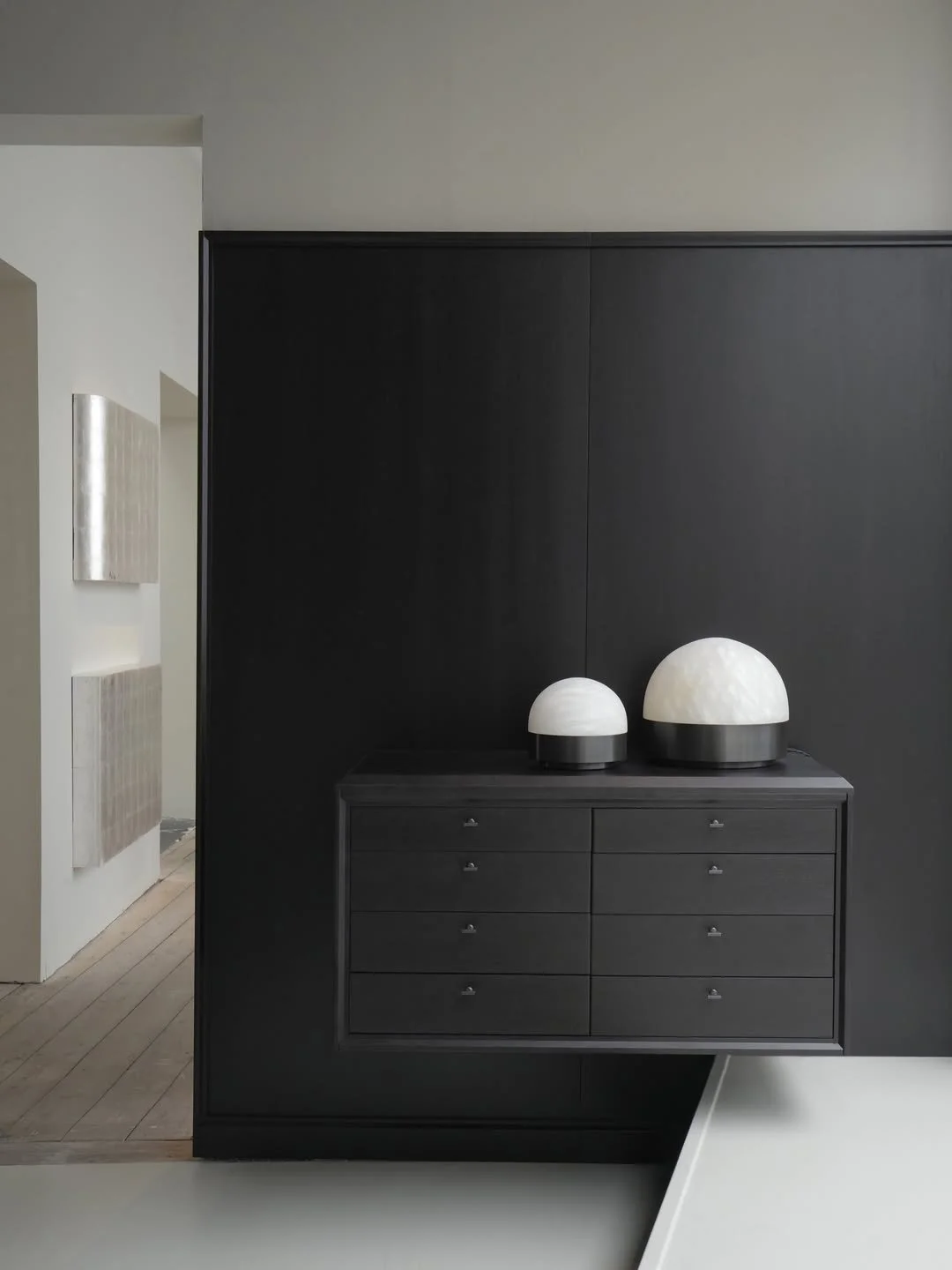
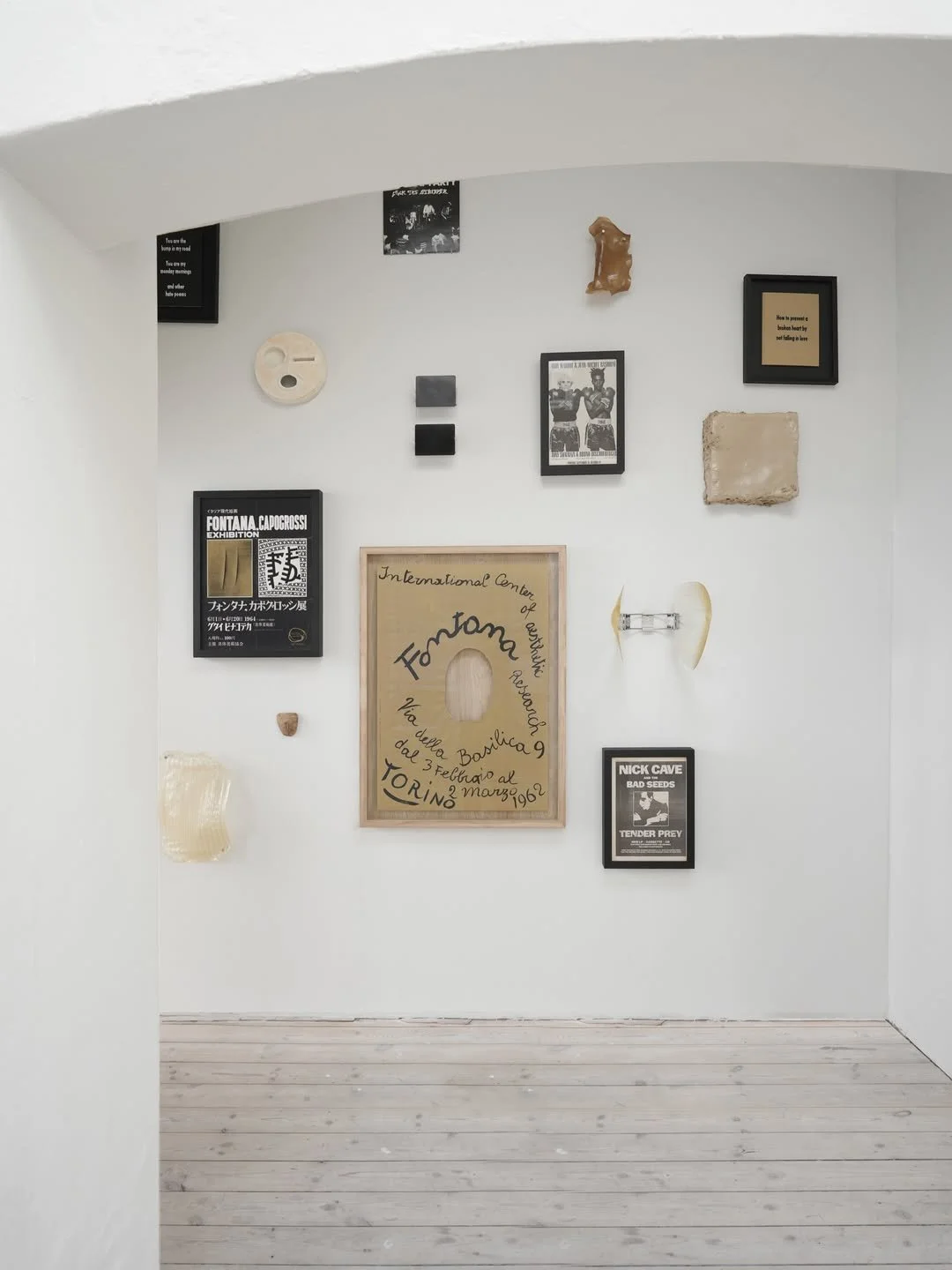
The entire exhibition felt like a complete home —not a stylized installation, but a space you could actually live in. Art, furniture, lighting, and materials worked together to create an environment where Italian design mastery met Scandinavian tranquility. The result was an elegant, warm, and memorable 3daysofdesign experience.
A COMPLETE PROJECT WITH NOVEL
Our team has been working in the interior design field for over 12 years, implementing projects both in Estonia and internationally. We are here to advise you on the selection of furniture, lighting, and finishing materials, and to help you create harmonious and tasteful spaces that feel complete.
In addition to aesthetics, our team has strong technical expertise – we prepare interior design drawings, implement lighting solutions, prepare detailed specifications, and organize the delivery of furnishings to the site.
We operate throughout Europe and are a determined partner in providing comprehensive solutions.